
Jul 14, 2026Family and Medical Leave Act Interference
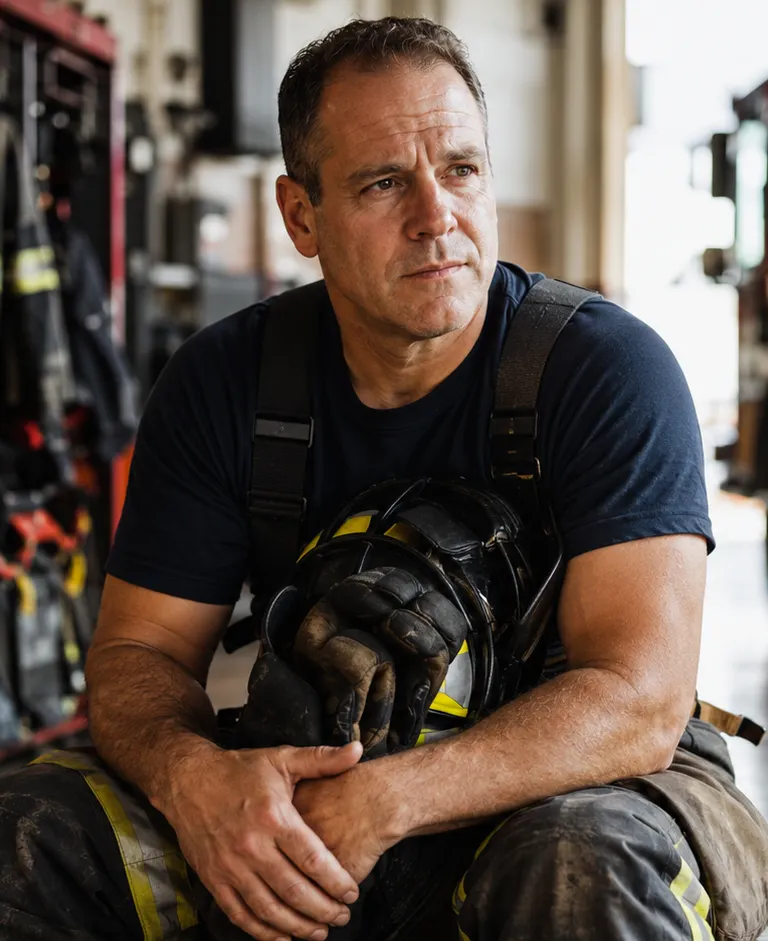


New Jersey’s cancer presumption laws recognize certain firefighter cancer diagnoses as job-related when the illness develops after years of repeated workplace exposure.
Occupational cancer claims involving firefighters and first responders often develop years after the actual exposure occurred. Our attorneys at Brandon J. Broderick regularly review cases where employers and insurance carriers focus heavily on alternative risk factors. This happens even when incident records and medical findings strongly point toward occupational causation.
In this article, we talk about what cancer diagnoses qualify under workers’ compensation rules, how occupational exposure cases are evaluated, and when to speak with an employment lawyer in New Jersey.
Firefighters spend years working around smoke, diesel exhaust, burning synthetic materials, chemical runoff, asbestos, solvents, and toxic particulates released during structural fires. Exposure rarely comes from a single catastrophic incident. Most workers accumulate it slowly across hundreds or thousands of calls, training burns, overhaul operations, and station-house conditions.
Cancer claims create a difficult problem in workers’ compensation: the illness often appears long after exposure occurred. A worker diagnosed at age 52 may have inhaled carcinogens during fires decades earlier. Medical records rarely point to one exact moment where the disease began. New Jersey addressed that problem by creating a statutory cancer presumption for qualifying firefighters.
New Jersey law states that certain cancers affecting firefighters are presumed to qualify as occupational diseases under workers’ compensation law. The statute applies to paid, part-paid, and volunteer firefighters. The law specifically mentions leukemia, but the protections extend beyond a single diagnosis. Coverage also applies to conditions linked to heat exposure, radiation, or carcinogens recognized by the International Agency for Research on Cancer.
A presumption changes the starting point of the claim. Instead of forcing workers to prove every aspect of occupational causation, the law recognizes the established connection between firefighting and cancer exposure. Employers and insurance carriers still retain the right to dispute a claim, but they carry a heavier burden.
Research supporting those laws has continued expanding. IARC classified occupational exposure as a firefighter as “carcinogenic to humans,” its highest classification level, known as Group 1.
Federal research points in the same direction. Researchers studying nearly 30,000 career firefighters from Chicago, Philadelphia, and San Francisco found elevated risks compared with the general population. The study reported a 9% increase in diagnoses and a 14% increase in cancer-related deaths among firefighters.
Several factors shape these cases:
Insurance carriers try to connect a firefighter’s cancer diagnosis to something other than years of service. In our experience, carriers focus on smoking history, genetic information, age, or outside environmental exposure despite service records and medical evidence pointing toward occupational causation.
Timing becomes important. Delays between diagnosis and filing can create problems involving records, witness availability, and employment documentation. Similar documentation issues sometimes appear in workers’ compensation cases involving remote workers and telecommuting arrangements. In those situations, proving workplace exposure or work-related conditions becomes more complicated over time.
None of this means every firefighter diagnosed with cancer automatically qualifies for benefits. Eligibility rules still apply.
“The decision to speak up is powerful. But knowing what happens after — and how to protect yourself — is just as critical.”
— Olivia Rhye
Eligibility under New Jersey’s firefighter cancer presumption law depends largely on years of service, employment status, and timing.
A firefighter qualifies for the statutory presumption after completing at least seven years of service in a paid, part-paid, or volunteer fire department. Service does not need to remain active at the time of diagnosis. Retired workers still qualify if they meet the statute’s timing requirements.
New Jersey law limits the presumption to workers who are either:
Volunteers may assume workers’ compensation protections only apply to full-time departments. New Jersey law specifically includes volunteer departments within the statute. Volunteers face many of the same conditions, especially during structural fires and training exercises.
Coverage disputes begin with service history rather than the diagnosis. Insurance carriers challenge:
Employment records become important quickly. Department rosters, pension records, training certifications, incident reports, and service logs help establish qualifying history.
When a diagnosis happens soon after retirement, causation disputes are more limited. Retirement plans, pension transitions, and long periods away from active duty can also create additional documentation issues.
New Jersey still gives firefighters meaningful protection even where alternative risk factors exist. They don’t lose workers’ compensation rights because they smoked cigarettes or worked a second job outside the department. Insurance carriers still need strong evidence to rebut the statutory presumption.
Some roles involve higher levels of exposure:
Newer equipment and safer turnout gear haven’t eliminated the risk of cancer. Synthetic furnishings, plastics, lithium-ion batteries, flame retardants, and industrial building materials release complex combustion products into the air. Gear contamination and residue inside station houses remain ongoing problems across the profession.
Service length matters because occupational causation builds over time. Firefighters working thousands of calls across long careers often develop extensive histories involving smoke inhalation and skin absorption.
Some workers continue through treatment while still on the job. Many workers who consult with our team at Brandon J. Broderick first receive a diagnosis years after retirement. In some cases, families also pursue death benefits after a worker dies from cancer connected to years of department service.
Benefits include:
Carriers don’t approve every claim voluntarily. Independent medical examinations frequently become part of the process. Disputes over causation remain common.

Firefighter cancer claims rarely center on one isolated incident. Most involve years of repeated contact with carcinogens encountered during fire suppression, overhaul work, and post-fire operations.
IARC’s findings reflected the broad range of hazardous substances firefighters encounter throughout their careers. Structural fires release combustion byproducts that enter the body through inhalation and skin absorption. Air contamination remains severe during those stages of a fire. Gear contamination also continues after leaving the scene.
Diesel exhaust inside fire stations and apparatus bays has received increasing attention over the last decade. Firefighters spend years working around idling engines, enclosed vehicle storage areas, and contaminated turnout gear. Federal agencies, including NIOSH, have repeatedly identified diesel exhaust as a long-term occupational hazard. Broader concerns about vehicle emissions have also shaped policy discussions outside the fire service, including New Jersey’s push toward reducing reliance on gasoline-powered vehicles over time.
Research increasingly points toward cumulative exposure rather than isolated catastrophic incidents. Firefighters encounter:
Exposure tracking has improved substantially in recent years. Some departments now document the incidents more aggressively and conduct routine screenings.
Leukemia receives direct mention in New Jersey’s statute. IARC found evidence connecting firefighting exposure to mesothelioma and bladder cancer. Research also identified elevated rates involving:
An American Cancer Society study released in 2025 found significantly higher mortality rates among firefighters. They experienced a 58% higher mortality rate from skin cancer and a 40% higher mortality rate from kidney cancer.
Medical disputes center on causation rather than diagnosis. Insurance carriers sometimes acknowledge the condition itself while arguing that it developed independently from occupational exposure. Those сфыуы frequently involve competing expert testimony from oncologists, occupational medicine specialists, toxicologists, and independent evaluators.
Workers diagnosed after retirement face aggressive causation challenges. Carriers may argue that later diagnoses resulted from aging or unrelated environmental factors.
Medical records matter. Oncology and pathology reports, imaging studies, treatment histories, and prior screenings become central evidence in disputed claims. Department history also helps connect the diagnosis to years of service.
Medical evidence forms the foundation of the claim, but service records shape the outcome.
Strong cases include extensive department documentation showing years of active service. Firefighters who maintain organized records place themselves in a stronger position. Important records include:
Approved workers’ compensation claims cover surgery, chemotherapy, radiation treatment, medication, hospitalization, and disability benefits tied to occupational cancer. Some families pursue dependency benefits after losing a firefighter to a job-related illness.
Firefighters spend years entering environments most workers never encounter even once. New Jersey’s cancer presumption law reflects growing medical and scientific recognition that repeated exposure to smoke, combustion byproducts, toxic chemicals, and hazardous materials carries lasting health consequences long after active incidents end.
If you are dealing with a denied claim over occupational causation, contact us today for a free consultation.
 Svetlana Skvortsova
Stop wondering about your rights or if you'll be taken seriously. We treat every client with respect, urgency, and honesty. Our lawyers will listen, explain your legal options, and fight for the outcome you deserve.