
Jul 14, 2026Family and Medical Leave Act Interference
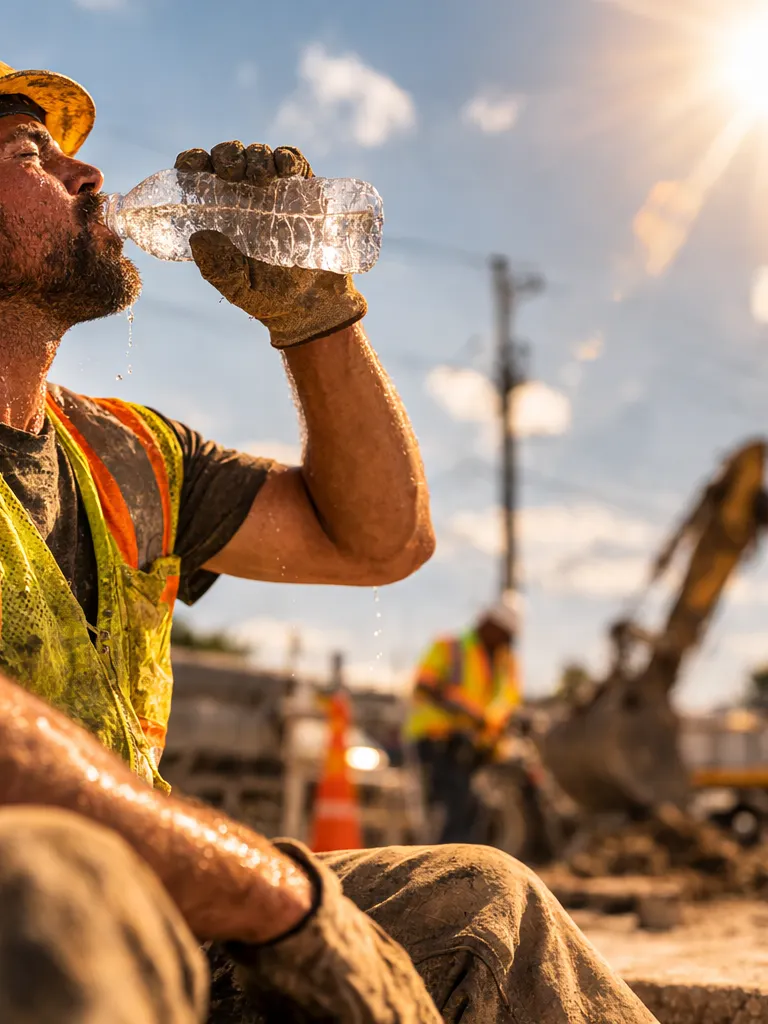


Extreme heat is a common risk for outdoor workers in New Jersey. Construction crews, landscapers, delivery drivers, and other outdoor employees face the highest exposure.
Workers who contact Brandon J. Broderick often describe being required to continue outdoor duties during high-heat conditions. In many cases, they report poor hydration access or a lack of protective measures. Some employers see it as an unavoidable part of outdoor work. But regulatory guidance increasingly treats the exposure as a preventable risk.
When employers ignore dangerous heat conditions, outdoor workers face serious health risks, and workplace safety laws are violated.
In this guide, we talk about how exposure affects outdoor worker safety, what protections apply in 2026, how workplace safety laws address heat-related risks, what workers can do, and when it helps to speak with an employment lawyer in New Jersey.
Construction crews, landscapers, road repair workers, utility technicians, and agricultural laborers often spend full shifts under direct sunlight. Protective gear and physical exertion push body temperature higher even without heavy lifting. If heat builds faster than the body can cool itself, workers face serious health risks.
Heat illness develops gradually. Early symptoms include dizziness, headaches, nausea, muscle cramps, and heavy sweating. Workers sometimes try to push through those symptoms to finish the job. This increases the danger. Without rest and hydration, conditions escalate.
Heat exhaustion usually appears first. Workers feel weak, lightheaded, or disoriented. Skin becomes clammy, and sweating increases. This situation can become life-threatening.
Heat stroke represents the most severe outcome. Body temperature rises above safe levels, and sweating often stops. Confusion, seizures, or loss of consciousness follow. Immediate medical treatment becomes necessary, and delays are fatal.
Studies examining the years 2000 through 2019 estimate roughly 489,000 heat-related deaths annually worldwide.
The Occupational Safety and Health Administration reports thousands of heat-related illnesses across U.S. workplaces every year. Several industries face the highest exposure:
Construction sites present some of the harshest heat conditions. Asphalt and concrete absorb and radiate heat, protective gear limits airflow, and physical labor quickly pushes body temperature higher.
Landscaping workers face many of the same risks while performing long hours of outdoor labor. In our experience at Brandon J. Broderick, some landscaping crews also deal with classification disputes. When workers are treated as independent contractors, they miss workplace protections that would otherwise apply.
Federal safety guidance advises gradual exposure when employees begin working. Acclimatization typically occurs over 7 to 14 days, allowing the body to slowly adjust to the demands of heat and physical activity.
Recommended exposure schedules include:
When crews operate with short-staffed shifts, new employees are sometimes pushed into full workloads. In extreme conditions, it increases the risk of illness during the first week on the job.
Hot weather has become more frequent and intense across the United States. Job sites that once experienced only a few extreme days each summer increasingly face long stretches of intense heat. Outdoor industries feel those changes first.
Average temperatures across the contiguous United States have risen about 60% faster than the global average since 1970. Climate projections show this warming trend continuing in the coming decades.
Northern and western regions are projected to see some of the largest increases, while states like New Jersey are also facing higher temperatures and intense summers. Multiday heat waves are expected to last longer and affect larger parts of the country. They have already become more frequent and severe in recent decades.
“The decision to speak up is powerful. But knowing what happens after — and how to protect yourself — is just as critical.”
— Olivia Rhye
Under the Occupational Safety and Health Act, employers must provide working conditions free from dangers that could cause serious harm. OSHA enforces that responsibility through the General Duty Clause.
Extreme heat qualifies as dangerous when employees perform physical labor outdoors. Employers must take steps to reduce the risk, including:
Hydration remains one of the most important protections. Workers performing physical labor lose large amounts of fluid through sweat. Dehydration develops quickly when water isn’t readily available.
Supervisors play a critical role in workplace safety. Workers who show signs of heat illness require immediate attention.
In 2024, OSHA introduced a proposed Heat Injury and Illness Prevention Standard. It aims to establish consistent protections for workers exposed to high temperatures.
Proposed requirements include:
Outdoor industries such as construction, landscaping, agriculture, and road maintenance would fall directly under these protections.

At the federal level, the Occupational Safety and Health Administration has proposed a nationwide safety standard. New Jersey lawmakers have begun focusing on heat exposure to establish statewide standards and protect workers.
The proposals would require employers to develop heat illness prevention plans. These plans are intended to identify dangerous conditions before workers experience serious medical emergencies.
Construction sites become a central part of these discussions. Physical exertion combined with direct sunlight significantly increases the risk of health problems. Agricultural and landscaping workers face similar conditions. These jobs involve continuous outdoor labor during the hottest months of the year.
But some business groups argue that existing guidelines already address heat risks and warn that additional rules could disrupt operations for employers with outdoor workforces.
Climate trends have intensified concerns about heat exposure. A recent study from the NJ Climate Change Resource Center projects rising temperatures in the coming decades. Under high-emissions scenarios, about 70% of New Jersey summers could be hotter than any recorded before 2006 by mid-century. By the end of the century, that number could climb to around 90%.
These projections have prompted lawmakers to pursue several environmental measures. New mulch regulations aim to reduce fire risks in vulnerable areas.
The state is also moving toward zero-emission vehicles and banning gasoline-powered car sales.
As summers grow hotter, workplace heat exposure is increasingly viewed as a predictable safety risk rather than an occasional seasonal hazard.
By 2026, clearer rules could affect many industries across New Jersey. Changes in state leadership could influence how workplace protections are enforced and expanded.
Proposed measures include:
Several states already enforce similar protections. California, Oregon, and Washington adopted safety standards. Construction workers, farm laborers, landscaping crews, and road maintenance teams stand to benefit most from stronger regulations.
Workplaces are expected to operate safely. Companies that ignore clear hazards face legal consequences.
Examples of misconduct include:
Serious incidents often lead to investigations by OSHA. Investigators examine working conditions and emergency response procedures after the incident. Employers face citations and financial penalties when safety failures contribute to worker illness or death. In many cases we review, the investigation begins only after workers repeatedly raised concerns that were never addressed.
Workers also have several options. They can report unsafe exposure to OSHA, request water, rest breaks, or cooling areas, file confidential workplace safety complaints, and participate in investigations. In some situations, workers report pressure to understate problems or sign falsified safety reports stating that conditions are safe.
Employers cannot fire, threaten, or discipline workers for reporting dangerous conditions or refusing to participate in inaccurate reporting.
Extreme heat has become one of the most serious safety concerns for outdoor workers in industries such as construction, agriculture, landscaping, and infrastructure repair.
Federal regulators continue working toward the first nationwide standard, while New Jersey lawmakers debate stronger protections for workers exposed to dangerous temperatures.
If you experienced unsafe heat exposure, contact us today for a free consultation to discuss your rights and possible legal options.
 Svetlana Skvortsova
Stop wondering about your rights or if you'll be taken seriously. We treat every client with respect, urgency, and honesty. Our lawyers will listen, explain your legal options, and fight for the outcome you deserve.