
Jun 30, 2026Whistleblower Retaliation
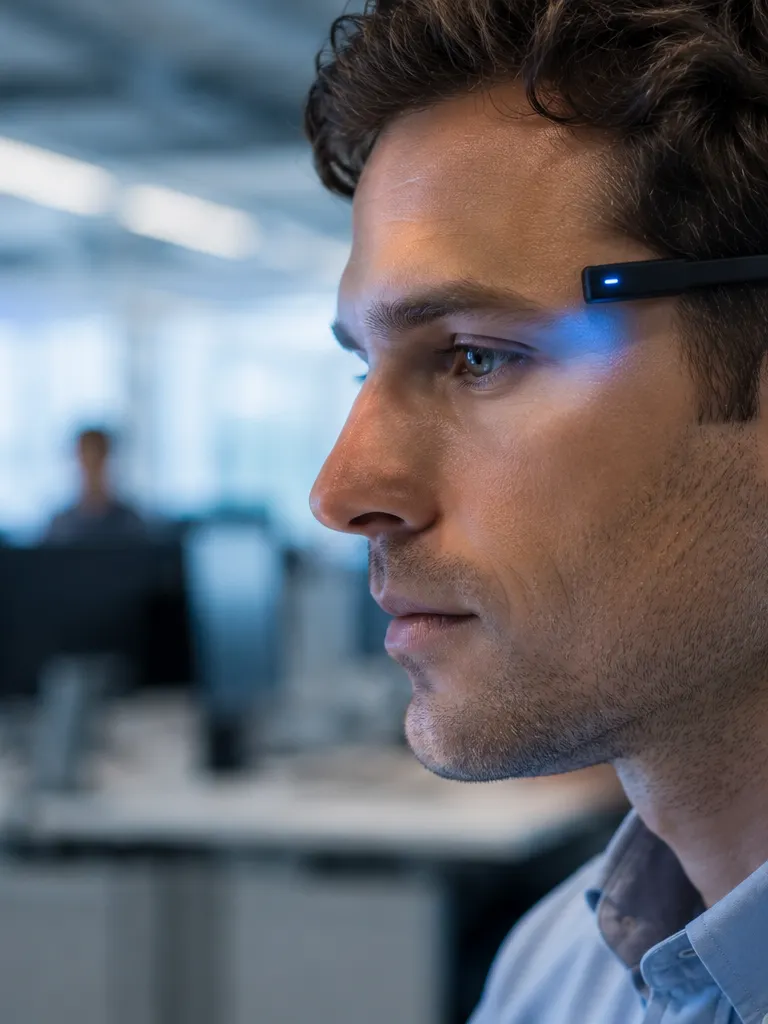

Workplace monitoring has expanded well beyond traditional tools such as time clocks, cameras, GPS tracking, and productivity software. New technologies are making it possible to collect brainwave data, neural signals, cognitive measurements, and other forms of neurological information through wearable devices and similar systems. As these capabilities continue to develop, workers are increasingly focused on where the limits should be drawn.
Workplace privacy issues are becoming more complex as technology advances. Although neural monitoring is still relatively new, lawmakers have started addressing how neurological information should be collected, stored, used, and shared. Our attorneys at Brandon J. Broderick often build cases around questions of employee consent and workplace surveillance practices.
Those efforts build on broader debates surrounding biometric surveillance and productivity tracking technologies in the workplace. Unlike most forms of workplace data, neural information reaches beyond an employee's performance and conduct on the job.
In this guide, we discuss how brainwave and neural data monitoring are entering the workplace, what lawmakers are doing to regulate it, what protections employees may have, and when to reach out to an employment lawyer in New Jersey.
Neurotechnology covers devices that read brain activity. The most common type is far simpler than a brain implant. An EEG headband, a set of sensors built into a hard hat, or a pair of instrumented earbuds measure the brain's electrical activity from the outside. It is non-invasive and cheap. The science behind it is old, but the workplace use is recent.
Several uses are already on the market or are actively being developed, including:
The pitch to employers is built on safety and cost. Workplace fatigue is estimated to cost U.S. employers around $136 billion a year in lost productivity. A device that warns a drowsy driver before an accident is extremely valuable. Some of these tools genuinely reduce errors.
The concern is what happens to the data after its original purpose has been served. A company that collects neural information to identify fatigue or safety risks ends up holding a large amount of neurological data. Over time, there is a risk that the same findings become part of performance evaluations, promotion decisions, or disciplinary actions. Once a metric is available, employers tend to find additional uses for it.
Technology introduced for one purpose ends up being used for others. Our attorneys at Brandon J. Broderick often examine how employers collect and use workplace data when evaluating employment claims. The neurotechnology most likely to appear in workplaces in the near future consists of wearable devices that employees put on during a shift.
Because those devices are relatively easy to implement, concerns extend beyond safety monitoring. Data collected through these systems could eventually become part of the documentation employers rely on before a termination. Employee concerns about workplace monitoring are already widespread, with recent surveys showing that roughly 42% of workers feel micromanaged on the job.
In workplaces where employees are already being tracked for bathroom breaks, productivity, attendance, or other minor workplace issues, additional monitoring tools may create even more opportunities for selective enforcement.
“The decision to speak up is powerful. But knowing what happens after — and how to protect yourself — is just as critical.”
— Olivia Rhye
Employers already track a great deal. Keystroke logs, email review, GPS on company vehicles, and productivity dashboards are common. The law has recognized them for years. Neural data belongs in a separate category.
Most workplace data comes from actions employees choose to take, such as sending emails, completing tasks, or communicating with coworkers. Neural data is different because it reflects brain activity rather than deliberate conduct. That distinction is one reason brainwave monitoring raises unique privacy concerns.
It reveals far more than the stated purpose. A device sold to detect drowsiness also registers emotional state, stress levels, shifts in attention, and sometimes it picks up signals of health conditions or neurological disorders the worker never disclosed and may not even know about. The data collected for one narrow reason carries information well beyond it.
These features matter most where they cross into health information. Personal or genetic information that points to a medical diagnosis or family medical history is different from ordinary metrics. Once personal details are included, disability and privacy protections become much more relevant.

The first U.S. laws to name neural data as its own protected category were passed in 2024 and 2025. They moved through their legislatures with almost no opposition.
House Bill 24-1058, effective August 7, 2024, added neural data to the sensitive information category of the Colorado Privacy Act and requires opt-in consent before a company collects it. It passed in the House and in the Senate, making Colorado the first state in the country to protect the data of neurotechnology users.
California followed close behind. Senate Bill 1223, effective January 1, 2025, also expanded sensitive personal information covered by the California Consumer Privacy Act. The law defines neural data as information generated by measuring the activity of a person's central or peripheral nervous system. Montana enacted its own version. At least six more states, including Connecticut, Massachusetts, Minnesota, Illinois, and Vermont, have introduced similar bills.
The trend is moving toward greater regulation, but there is a significant limitation. These laws generally focus on consumers rather than employees. When our legal team reviews discrimination or privacy issues, one of the first things we look at is whether the protections actually apply in the workplace.
State privacy laws provide stronger protections for consumers. Many of those laws exclude workplace data altogether and leave employment-related privacy to other areas of law. The same pattern has appeared with facial recognition systems and fingerprint scans at work. As a result, protections are often clearer when someone buys a device for personal use than when the same type of technology is used at work.
These laws reflect a growing recognition that brain data deserves special protection, and their definitions are already influencing legislation in other states. But employees remain outside the reach of those laws, even when the data at issue is the same.
The New Jersey Data Privacy Act, Senate Bill 332, took effect January 15, 2025. It treats sensitive information, including mental and physical health conditions, as something that a business must get opt-in consent to process. The state Attorney General enforces it. There is no private right of action: individuals cannot sue under it directly and instead rely on the Attorney General's office.
The law's workplace protections remain limited. The definition of a consumer generally does not include people acting as employees. This means most workplace data falls outside the statute's core protections. In some situations, job applicants who submit information through online platforms may still qualify as consumers.
New Jersey has also not created a separate legal category, unlike Colorado and California. For now, concerns involving brain-monitoring technologies are more likely to be addressed through existing protections related to medical conditions or disability rights.
At the moment, the state doesn’t have a single law that specifically regulates workplace brain monitoring. Instead, employees rely on a combination of existing legal protections. For example:
The strongest protections currently available are found in disability law. When monitoring technology identifies a neurological condition, and this becomes part of a promotion or termination decision, the focus shifts to the ADA and the NJLAD.
Those laws already limit medical inquiries in the workplace. The ADA permits them only when they are job-related and supported by a legitimate business need. Because brain monitoring technology may reveal information about an employee's health, it raises issues that existing disability laws are already designed to address.
Questions about brain-monitoring technology overlap with existing laws governing medical inquiries, employee privacy, disability discrimination, consent, and workplace surveillance. Determining which protections apply requires a close look at how the information is collected, used, and relied upon by the employer.
Our legal team can review the facts, explain the protections that may apply, and help you understand your legal options under New Jersey and federal law.
If you believe your employer is using monitoring technology in a way that affects your privacy or employment rights, contact us today for a free consultation.
 Svetlana Skvortsova
Stop wondering about your rights or if you'll be taken seriously. We treat every client with respect, urgency, and honesty. Our lawyers will listen, explain your legal options, and fight for the outcome you deserve.