
Jun 30, 2026Whistleblower Retaliation
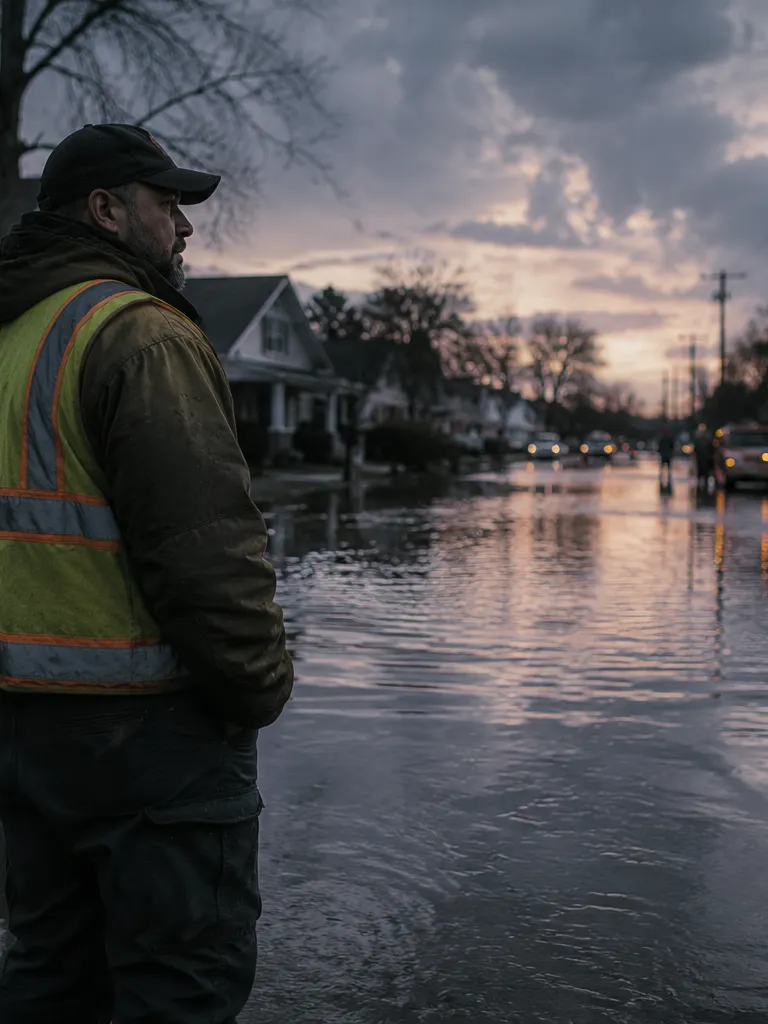


Wildfires, floods, hurricanes, severe storms, and declared states of emergency often disrupt normal workplace operations. A declared state of emergency doesn’t automatically eliminate an employee's workplace rights or an employer's legal obligations. In New Jersey, the legal protections available depend on the facts of each situation.
Employees may be unable to report to work, businesses may close unexpectedly, and questions about wages, leave, scheduling, and job protection quickly follow. Our attorneys at Brandon J. Broderick regularly help workers and employers navigate questions about missed work, emergency closures, and workplace obligations during these events. Employees are unsure whether they must report to work or when missed shifts must be paid. Workers are concerned about how unsafe travel conditions or government restrictions on movement affect their employment. Employers also have legal responsibilities that vary depending on the situation and the applicable law.
This article explains how the state law addresses job protection during declared emergencies, what obligations employers continue to have, what rights employees retain, and when to reach out to a wage and hour lawyer in New Jersey.
The Fair Labor Standards Act sets federal pay rules during a closure. The outcome depends on whether a worker is salaried "exempt" or hourly "non-exempt." The U.S. Department of Labor explains both in Fact Sheet #72, which covers pay during natural disasters and recovery.
Hourly workers are paid only for the time they actually work. When an employer closes the business and offers no work, it owes nothing for the missed time. A flood that shuts a store for three days leaves an hourly employee unpaid for those three days unless some other arrangement applies. An exception sometimes applies in healthcare or IT, because some on-call time qualifies as compensable work.
Salaried exempt workers are treated differently. The length of the closure decides the result. When the business closes for less than a full workweek, and the employee works any part of that week, the full weekly salary is owed. When the business closes for an entire workweek, and the exempt employee does no work at all, no pay is required for that week.
A single day of work on either side of a short closure protects the whole week's salary. Employees paid through a draw against commission should also review their compensation agreement, since emergency closures may affect those arrangements differently.
Natural disasters do not suspend minimum wage or overtime laws. Employees must be paid for all hours worked at the standard rates, regardless of the emergency. Contractors performing public works projects also remain subject to prevailing wage laws and certified payroll requirements unless a specific legal exception applies.
Employers are permitted to require employees to use accrued PTO during a business closure if their leave policy or employee handbook supports that approach. The missed days are paid from the employee's existing leave balance, and any mid-year changes to PTO policies should be clearly communicated before they are applied.
Once that leave is exhausted, hourly employees are typically unpaid for any additional missed time, while salaried exempt employees remain subject to the rules governing full-workweek salary protection. A wage and hour attorney in New Jersey can review whether an employer applied those rules correctly.
“The decision to speak up is powerful. But knowing what happens after — and how to protect yourself — is just as critical.”
— Olivia Rhye
Even when a business is closed, some activities during or after a natural disaster still qualify as paid work. That distinction is particularly important for hourly employees.
Standby time is a common example. An employee who must remain at the worksite while waiting for utilities to be restored or conditions to improve is entitled to pay for that time because the employer continues to control how the employee spends those hours.
Disaster preparation and cleanup are still work. Employees who are reassigned to clear debris, move inventory, secure the workplace, or perform other emergency tasks must be paid. If those hours push the employee over 40 in a workweek, overtime requirements still apply. The type of work changes, but the employer's obligation to pay does not.
Remote arrangement is treated like any other work. When hourly employees monitor email or coordinate from home before or after a closure, that time is compensable. The employer has to track it and pay it. When our team at Brandon J. Broderick reviews wage claims, off-the-clock work is a common issue. Employees often continue answering calls and texts without clocking in. An employer who knows the work is being performed must pay for that time.
Employees aren’t permitted to volunteer their regular job duties without pay during a disaster. Volunteer work has a limited role and applies to nonprofit organizations rather than a person's regular employer. If an employee performs their normal work duties, the employer is responsible for paying wages.

New Jersey adds protection that federal law leaves out. The main one is the New Jersey Earned Sick Leave Law, which took effect October 29, 2018, and covers every private employer in the state, regardless of size. A business with three employees is bound by it the same as one with three thousand.
Employees earn paid sick leave at the rate of one hour for every 30 hours worked, up to 40 hours per benefit year, unless the employer provides the full 40 hours upfront. A full-time employee working 40 hours each week accrues about 5.33 hours of leave every four weeks.
Access to paid sick leave has also become much more common. Coverage among private-sector employees has grown from 63% in 2010 to 78% in recent years.
The law applies in specific emergencies. Employees may use earned sick leave when they cannot work because their workplace, or their child's school or childcare provider, has been closed by order of a public official during a public health emergency, as provided in N.J.A.C. 12:69-3.5. A closure due to hazardous wildfire smoke is more likely to fall within this provision than one caused only by damage to the building.
New Jersey law also places limits on how employers handle earned sick leave. Employees must be paid at their regular hourly rate, never less than the state minimum wage. The payment must be made in the same or the next regular pay period. The leave is job-protected; employers cannot retaliate against employees for using it, require them to find a replacement for a missed shift, or force them to use earned sick leave against their wishes.
Not every disaster-related closure triggers earned sick leave protections. When our attorneys evaluate these cases, the reason for the closure is often the starting point. Closures caused by flooding or structural damage are treated differently from public health emergencies. Employees may need to use other available paid leave, but the standard wage-and-hour rules continue to apply.
The reason for the closure determines whether the law applies. A public health emergency, such as hazardous wildfire smoke that leads a public official to order a closure, falls within the earned sick leave statute. A closure based solely on physical damage or structural safety concerns doesn’t trigger that protection, so employees instead rely on other available paid leave and the applicable wage-and-hour rules.
If a closure continues for an extended period or becomes permanent, other forms of income support replace a regular paycheck.
For many workers, regular New Jersey unemployment benefits are the first source of financial support after a disaster. Employees who lose their jobs or have their hours reduced can apply for benefits, which replace a portion of prior wages up to the state's weekly maximum. In many disaster-related situations, the claim isn’t charged against the employer's unemployment account.
Employees with reduced hours may also qualify for partial unemployment benefits, helping offset income lost when storms or other disasters disrupt normal work schedules.
Disaster Unemployment Assistance is a federal program that becomes available only after a presidential major disaster declaration. The program is administered through the state unemployment office and helps people who are not eligible for regular unemployment benefits, including self-employed workers and those who cannot reach an otherwise undamaged workplace because of the disaster. The application period is brief, so applications should be submitted as soon as the program opens.
Notice and severance obligations become important if a disaster forces a permanent closure. New Jersey's WARN law requires covered employers to provide advance notice and severance for qualifying mass layoffs and business shutdowns.
Federal WARN includes a natural-disaster exception that allows employers to give as much notice as practicable when advance notice is not possible. New Jersey's amended WARN law continues to impose severance obligations when a disaster results in permanent layoffs.
Disaster-related workplace issues can also trigger other legal protections. The OSHA General Duty Clause requires employers to maintain a safe workplace, so employees cannot be forced back into unsafe conditions, including structurally damaged buildings or flood-contaminated worksites. The New Jersey Law Against Discrimination and the federal Family and Medical Leave Act may provide additional protections when a disaster leads to a serious health condition or disability.
Disaster-related pay issues aren’t always obvious at first. Employees often realize later that standby time, cleanup work, or remote work was never included in their pay.
If you think you were not fully paid for your time, contact us today for a free consultation.
 Svetlana Skvortsova
Stop wondering about your rights or if you'll be taken seriously. We treat every client with respect, urgency, and honesty. Our lawyers will listen, explain your legal options, and fight for the outcome you deserve.