
Jul 14, 2026Family and Medical Leave Act Interference
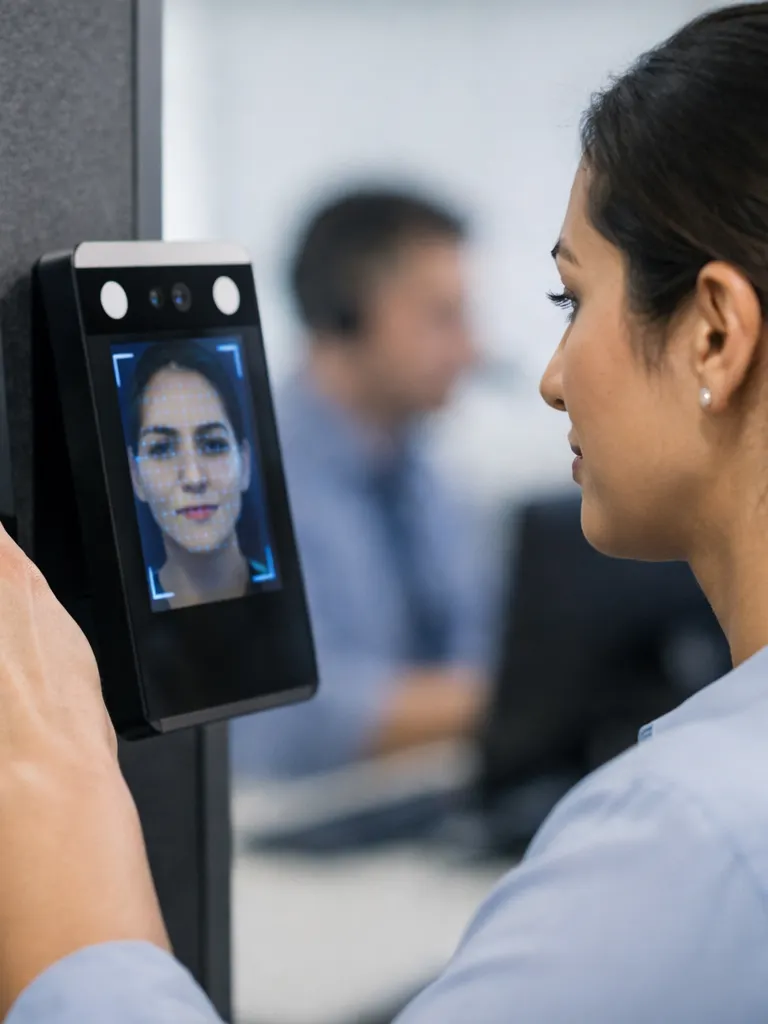


Biometric technology is becoming more common. Employers increasingly use fingerprint scans, facial recognition systems, and other identifiers for timekeeping and security. As these systems expand, employees are asking how workplace monitoring intersects with privacy rights.
From what we have seen at Brandon J. Broderick, biometric systems are often presented as routine workplace technology. But they involve highly sensitive personal identifiers: unlike passwords or ID cards, biometric data cannot easily be changed once compromised. Common questions involve how this information is stored and who can access it.
Collecting biometric data, such as fingerprints or facial scans, without clear notice or safeguards raises legal concerns about employee privacy and data protection.
This article explains how the technology is used in workplaces, how the state law evaluates employee privacy rights, what responsibilities employers have when collecting identifiers, and when it’s time to consult an employment lawyer in New Jersey.
Biometric technology measures unique physical characteristics such as fingerprints, facial geometry, iris patterns, and even voiceprints. Employers use these identifiers to confirm identity and sometimes to monitor access or track productivity in the workplace.
From what we often see in workplace policies, fingerprint scanners were first adopted to prevent “buddy punching,” where one employee clocks in for another. Retail and manufacturing workplaces frequently use fingerprint time clocks for attendance tracking, and office buildings increasingly rely on facial recognition systems for entry and security. Monitoring is even more common in call centers, where employers track call times and quotas through digital systems.
In some environments, surveillance tools become part of broader monitoring practices. About 42% of employees report feeling micromanaged at work, and those workers are far more likely to describe their workdays as tense or stressful. When monitoring expands beyond basic security or attendance, it can contribute to a workplace culture where employees feel constantly watched and under pressure.
Unlike a password, biometric data doesn’t change. A fingerprint remains the same for life, and a face scan is tied to one person. After a breach, workers cannot reset their fingerprints the way they reset a login credential. That permanence drives many workplace privacy concerns.
Employers also store biometric templates to manage workforce systems. For example, facial recognition software matches employee photos against live camera feeds. Some companies combine these systems with mobile apps or workplace networks used to log in through personal phones connected to company Wi-Fi.
Some systems log movement inside facilities. Cameras paired with recognition software identify employees entering restricted areas. Security teams use these tools to investigate theft or safety incidents. Workers we speak with across New Jersey often describe encountering these systems without clear explanations about how employers collect, store, or retain personal information. A fingerprint template collected during onboarding might remain in a database long after someone leaves the job.
Several recent incidents have drawn attention to the risks surrounding biometric data. In one case, a major breach exposed information affecting roughly 3.3 million people after an unauthorized third party accessed a company’s systems.
Privacy researchers and advocacy groups warn that large facial recognition databases raise concerns about workplace surveillance and identity theft. The Federal Trade Commission warns that the growing use of biometric information creates major privacy and security risks. The agency also notes that automated systems using this information produce biased or unfair outcomes.
Workers who report a data breach or privacy violations often play an important role in protecting both employees and consumers. Whistleblower laws protect workers from retaliation when they report unlawful conduct.
“The decision to speak up is powerful. But knowing what happens after — and how to protect yourself — is just as critical.”
— Olivia Rhye
Several states stepped in to regulate how companies collect and store biometric identifiers.
Illinois created the most influential law in this area. The Biometric Information Privacy Act (BIPA) requires companies to obtain consent before collecting biometric identifiers such as fingerprints or facial scans. Employers must explain how they use the data and how long they keep it. Businesses need a written policy describing when they delete these records. Courts award statutory damages ranging from $1,000 to $5,000 per violation.
Courts began enforcing those rules aggressively after the Illinois Supreme Court decision in Rosenbach v. Six Flags Entertainment Corp. (2019). In that case, a theme park scanned a teenager’s fingerprint to issue a season pass without first obtaining written consent from his parent. The court ruled that the unlawful collection of data allows individuals to sue under BIPA.
That ruling triggered a wave of litigation involving fingerprint time clocks and facial recognition systems used by employers. One widely known dispute, In re Facebook Biometric Information Privacy Litigation (Patel v. Facebook), accused the company of collecting facial recognition templates without consent. Facebook agreed to a $650 million settlement to resolve the claims.
Texas passed a biometric privacy law requiring consent before collecting fingerprints or facial identifiers. Washington created its own statute regulating identifiers used for commercial purposes. Both laws focus on transparency and protection.
Employers outside states with biometric privacy laws often apply the same compliance policies to reduce legal exposure.
Technology companies continue expanding authentication tools. Smartphones unlock with fingerprints or facial recognition. Employers adapt those systems. Once a company collects a fingerprint or face template, it assumes responsibility for protecting information tied directly to a person’s identity.

New Jersey doesn’t have a statute dedicated entirely to biometric privacy. But legislation passed in recent years signals a shift toward stronger protections.
New Jersey Data Privacy Act highlights the state’s focus on digital security and personal information. It treats identifiers as sensitive information requiring additional safeguards.
Companies must disclose their practices. Privacy notices explain what information businesses collect, how they use it, and whether they share it with third parties.
New Jersey also maintains strict data breach notification laws. When a company’s systems are breached and personal information is exposed, the law requires the company to notify affected individuals and state authorities. A database containing fingerprint templates or facial recognition triggers those reporting obligations.
A 2022 statute requires employers to notify workers when electronic tracking devices monitor employee activity. Biometric systems intersect with that requirement. Facial recognition cameras or biometric access scanners track employee presence in buildings and workspaces. Workers deserve clear notice when companies collect information tied directly to their identity.
Consumer protection laws also play a role. Misleading statements about security or privacy policies trigger claims under the New Jersey Consumer Fraud Act.
Courts sometimes analyze biometric disputes through broader privacy principles. Judges examine whether employers provided adequate notice and whether data collection serves a legitimate business purpose. Over more than ten years of practice, our legal team at Brandon J. Broderick has seen how these questions shape workplace privacy disputes.
New Jersey Senate Bill 1464, introduced in 2026, would prohibit certain uses of biometric surveillance systems by businesses and address how companies collect and store this information.
Other legislative proposals have also focused specifically on facial recognition. New Jersey Senate Bill 3268 proposes limits on the use of facial recognition technology on consumers except for legitimate safety purposes. A facial recognition template stored by an employer could remain accessible for years. A security breach would expose permanent identifiers tied directly to employees.
Accuracy concerns surround this technology. Research conducted by the National Institute of Standards and Technology (NIST) found that many facial recognition algorithms exhibit demographic differences in accuracy, with accuracy varying by race, age, and sex.
Further analysis of NIST testing found significant differences in how algorithms performed across demographic groups. Some systems were 10 to 100 times more likely to misidentify Black and East Asian individuals compared with white individuals.
Biometric regulation focuses on several issues:
Biometric monitoring will likely expand as artificial intelligence improves identification systems. Offices, warehouses, hospitals, and transportation hubs already deploy these tools at scale.
Fingerprint scanners and facial recognition systems are common in everyday workplaces. Employers rely on their identity verification and security. But technology continues advancing faster than legislation.
Biometric identifiers differ from other forms of personal data. Fingerprints and facial patterns don’t change. Once collected, they remain tied to one person for life.
Several states already regulate biometric data collection, and those laws influenced how employers nationwide approach workplace surveillance. New Jersey follows the trend toward stronger protections through broader privacy laws.
If biometric surveillance at work raises privacy concerns, contact us today for a free consultation.
 Svetlana Skvortsova
Stop wondering about your rights or if you'll be taken seriously. We treat every client with respect, urgency, and honesty. Our lawyers will listen, explain your legal options, and fight for the outcome you deserve.