
Jul 14, 2026Family and Medical Leave Act Interference
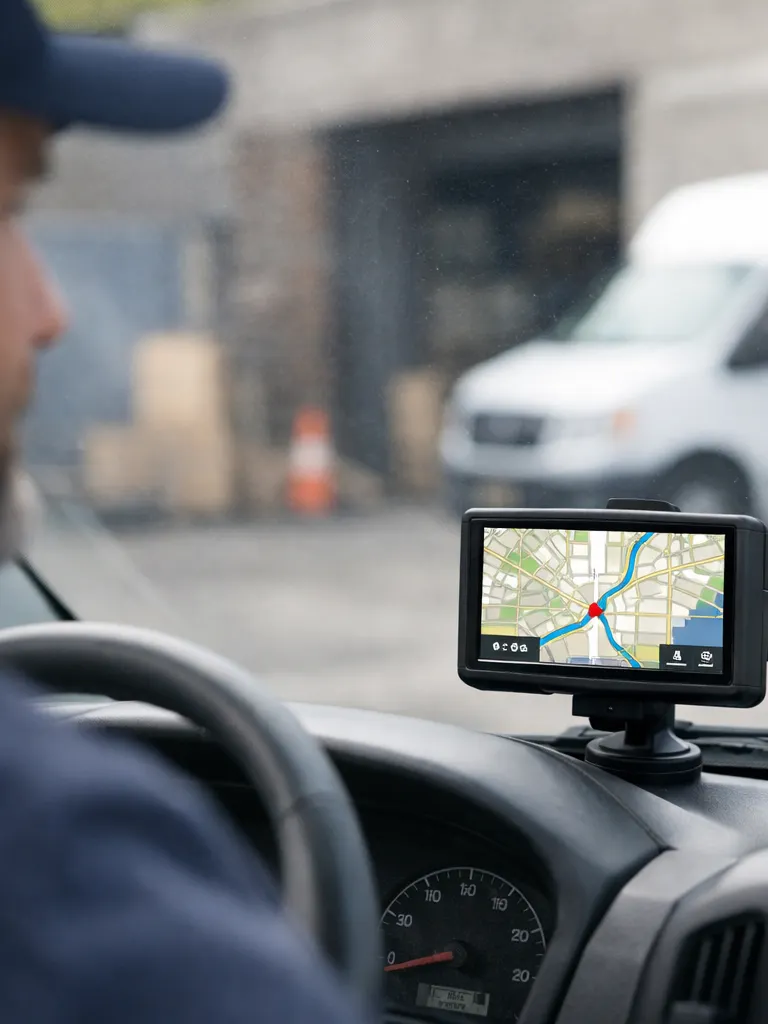


Companies across New Jersey increasingly rely on tracking systems in their work vehicles. It often helps businesses manage routes and reduce fuel costs. Many industries now treat it as a normal part of daily operations.
But when GPS tracking is installed without telling employees, it conflicts with New Jersey privacy laws.
The way it’s disclosed can determine whether it follows state law and company policies. In many matters our team at Brandon J. Broderick reviews, employees first learn of vehicle tracking after route disputes or questions about time and location records.
This article explains how tracking in company vehicles is treated under the law, when employers are required to notify employees about such devices, what workers should look for in company policies, and when it’s time to consult a hostile work environment lawyer in New Jersey.
New Jersey addressed workplace vehicle tracking through Assembly Bill A3950, focusing on transparency.
State law now requires employers to give written notice before installing or using the device. Businesses still retain broad authority to monitor equipment they own or control. But employees must receive clear notice before location monitoring begins.
Important points under the statute:
Tracking devices also include:
When these tools are used to target or closely follow a specific employee, the conduct can cross into harassment or even stalking behavior.
Surveys show that more than one in five workers report harm to their mental health at work, and 22% say they experienced harassment within the past year. This is a noticeable increase from earlier reports.
“The decision to speak up is powerful. But knowing what happens after — and how to protect yourself — is just as critical.”
— Olivia Rhye
Location monitoring appears across many industries. Service vans and delivery trucks often move across several cities. Location systems help companies keep those operations organized.
A common reason for tracking is fleet management. Dispatch teams use location data to coordinate routes and respond to service calls more efficiently. Real-time monitoring helps supervisors adjust schedules when delays occur.
Common uses include:
Safety monitoring also plays a role. Vehicle systems record speed and braking patterns, and companies often review this information after accidents or safety complaints. It includes speed alerts triggered by unsafe driving and records used to reconstruct accidents.
Company trucks often carry expensive equipment. GPS systems help locate a vehicle if it disappears or gets stolen. In some employment disputes, vehicle tracking also becomes relevant when a company withholds severance until workers return company property.
Businesses also rely on these systems to manage expenses:
Businesses maintain operational control over vehicles used for work. Employees still retain workplace rights, including transparency about monitoring.

State law allows employers to monitor vehicles used for work. Many businesses rely on these systems. But management can become a legal problem when it extends beyond legitimate business needs.
Lack of proper notice triggers the first legal concern. If a company begins monitoring without providing that notice, it violates the statute. Workers sometimes discover tracking only after a dispute over job performance or discipline.
Some employers manage entire fleets as part of routine operations. Others focus attention on specific drivers.
When surveillance singles out one employee while others perform the same work without similar scrutiny, the situation can overlap with harassment protections under the New Jersey Law Against Discrimination (NJLAD). NJLAD prohibits bias tied to protected characteristics such as race, sex, disability, religion, or national origin.
In 2024 alone, the EEOC recovered nearly $700 million for workers who experienced workplace discrimination, showing how seriously these patterns are treated.
If one employee receives constant scrutiny while others do not, it qualifies as harassment.
Monitoring also raises retaliation issues when it intensifies after an employee reports misconduct. Workers who complain about safety violations or other unlawful practices receive protection under New Jersey’s Conscientious Employee Protection Act (CEPA), the state’s whistleblower law.
If tracking suddenly increases after a protected complaint, it can become part of a broader retaliation claim.
Disputes involving vehicle monitoring often appear alongside other workplace problems. Employees facing discipline or termination sometimes learn that location data influenced management decisions.
These situations rarely exist in isolation. In many of the cases handled by our team at Brandon J. Broderick, they overlap with unresolved reports of hostility or harassment. When employers ignore those complaints, the environment becomes increasingly toxic and eventually leads to a legal claim.
Many businesses allow drivers to keep service vans or trucks overnight so they can travel directly to job sites the next morning. This arrangement saves time and fuel, but it extends the reach of GPS systems beyond the workday.
Vehicle tracking systems record movement whenever the device remains active. A driver who parks a company van at home still carries a transmitter that logs location changes. If the vehicle leaves the driveway for personal errands, the system records those trips along with normal work routes. This kind of visibility can feed offensive rumors or gossip about an employee’s personal life.
Workplace monitoring can also affect how employees feel on the job. Some surveys report that about 56% of workers who know about it say it makes them feel tense or stressed at work.
Clear policies help prevent these misunderstandings. Employers often address the issue by explaining how vehicles should be used outside scheduled work hours. Some companies prohibit personal use altogether.
GPS systems also produce detailed records of driving behavior. Employers rely on those records while evaluating performance or enforcing discipline. But when the information is partial or reviewed without context, it leads to inaccurate conclusions.
A brief stop during a service route, for example, might appear suspicious in a report even though it relates to legitimate work.
Transparency helps reduce those conflicts. Policies that explain when the system runs and what limits apply to personal use set clearer expectations. Clear communication about off-duty use and location tracking keeps routine fleet management from turning into a legal dispute.
Compliance now centers on one clear rule: employees must receive notice. Employers usually address this through policy acknowledgments and onboarding materials.
Common compliance steps include:
Clear notice and consistent policies help reduce disputes. Over years of practice, we have seen how well-written policies can protect both sides. They set clear expectations for employees while helping employers stay in line with state law.
New Jersey employers have broad authority to manage vehicles used for work. GPS tracking systems help coordinate routes and improve safety. State law doesn’t prohibit those tools.
But a driver who learns about tracking only after a dispute may question whether the company followed state law. Location records also often become part of broader conflicts.
Employees who feel targeted by workplace surveillance often seek legal guidance.
Contact us today for a free consultation to discuss your situation and learn what options may be available.
 Svetlana Skvortsova
Stop wondering about your rights or if you'll be taken seriously. We treat every client with respect, urgency, and honesty. Our lawyers will listen, explain your legal options, and fight for the outcome you deserve.