
Jul 14, 2026Family and Medical Leave Act Interference
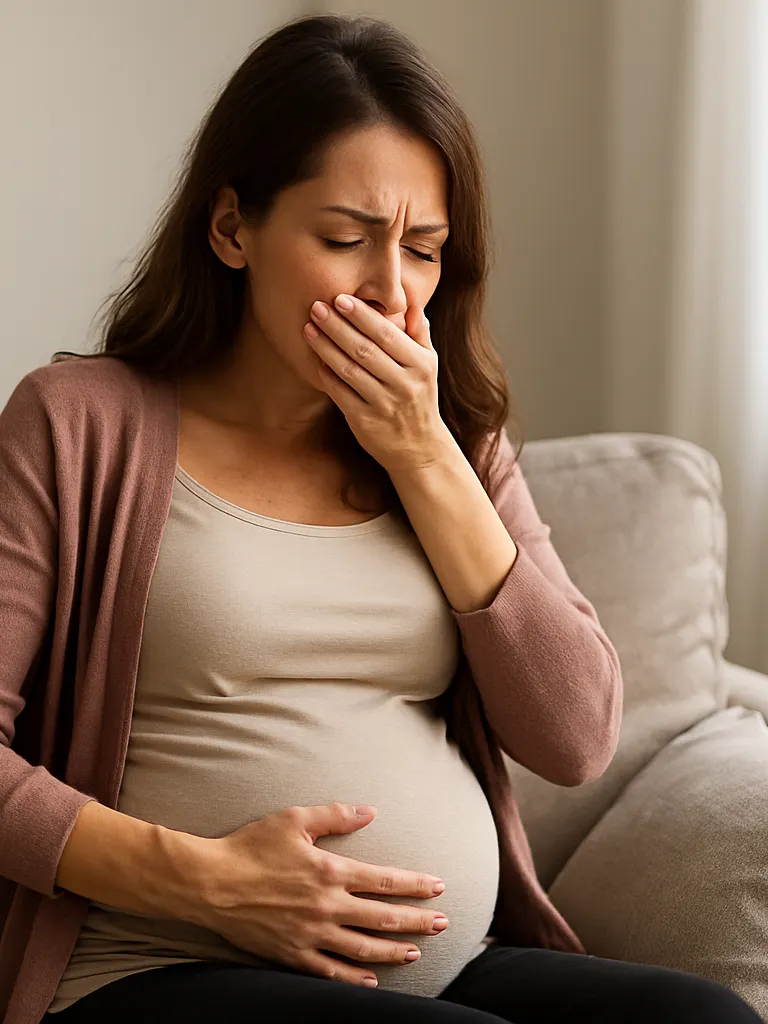


Pregnancy often comes with surprises, and morning sickness is one of the most common. For many expecting parents, nausea and fatigue aren’t limited to early hours: they can strike anytime, sometimes making it impossible to get to work. But what if your employer isn’t understanding? Are New Jersey employers legally required to excuse absences caused by morning sickness?
State and federal laws give New Jersey employees strong protections. Yet as with many workplace rights, the details matter.
Let’s see what the law says, how to protect your rights, and when it’s time to talk with a pregnancy discrimination lawyer in New Jersey if your employer pushes back.
Morning sickness can range from mild nausea to severe vomiting and dehydration, known as hyperemesis gravidarum. It can make commuting dangerous, interrupt work tasks, and sometimes require medical attention.
For many employees, that means occasional or repeated absences. Unfortunately, not all managers understand how disruptive and unpredictable these symptoms can be. Some may pressure workers to “push through,” dock pay, or even issue warnings for missed time — actions that can point to pregnancy discrimination at work.
That’s where New Jersey’s legal protections come in.
“The decision to speak up is powerful. But knowing what happens after — and how to protect yourself — is just as critical.”
— Olivia Rhye
Several state laws give employees the right to reasonable accommodations for pregnancy-related conditions, including time off for morning sickness.
Together, these laws create multiple, overlapping layers of protection. They not only require accommodations but also shield workers from any retaliation after pregnancy disclosure.
If your rights are ignored or you face negative treatment after sharing your status, a pregnancy discrimination attorney in New Jersey can help you enforce these protections and seek remedies.

Federal law provides additional support for New Jersey employees dealing with pregnancy-related absences.
These federal protections work alongside New Jersey’s strong state laws to ensure that pregnant workers aren’t penalized for legitimate health needs.
Under New Jersey law, employers must provide reasonable accommodations for pregnancy-related conditions unless doing so would cause an undue hardship. Examples include:
Importantly, you are not required to disclose pregnancy during interviews to secure these protections. The right to reasonable accommodation begins once you are hired and continues throughout pregnancy.
Within the first 11 months after the Pregnant Workers Fairness Act took effect, workers filed 1,869 complaints with the EEOC alleging that employers denied the accommodations the law requires.
“Undue hardship” is a high bar. Employers can’t simply claim inconvenience — they must show that accommodating the request would cause significant difficulty or expense.
Despite clear legal protections, some employers still resist excusing absences for morning sickness. Common pushback includes:
These tactics are often illegal and can even create a hostile work environment.
If you need time off for morning sickness, these steps can help safeguard your rights and income:
Being proactive can help prevent misunderstandings and strengthen your case if you need to file a complaint.
If an employer penalizes you for pregnancy-related absences, you have several options:
These agencies can help enforce your rights and hold employers accountable. The EEOC’s recent actions show why this matters: on May 20, 2025, the agency announced a settlement with Corner Bar in Texas, which agreed to pay $42,000 and provide other relief after allegedly cutting a pregnant bartender’s hours and then firing her when she was hospitalized.
Cases like this underscore that retaliatory termination and shift reductions as pregnancy discrimination remain real and current problems. Filing with the DCR, the EEOC, or directly in court can lead to meaningful remedies and help prevent similar retaliation in the future.
Excusing absences for morning sickness is part of a broader conversation about supporting working parents. New Jersey’s strong legal framework reflects a growing recognition that pregnancy is a normal part of life and work.
Employers who embrace this approach — offering flexibility, understanding, and support — help create workplaces where all employees can thrive. Accommodating morning sickness and other pregnancy-related conditions helps ensure workers can stay in the workforce, advance in their careers, and maintain their health. That’s good for families and for long-term business success.
If your employer has penalized you for pregnancy-related absences or refused to accommodate morning sickness, you don’t have to face it alone.
We can explain your rights under NJLAD and federal law, help you gather evidence, and take action if your employer violates those rights.
Contact us for legal advice and a free consultation.
 BJB Employment Law Editor
Stop wondering about your rights or if you'll be taken seriously. We treat every client with respect, urgency, and honesty. Our lawyers will listen, explain your legal options, and fight for the outcome you deserve.