
Jul 14, 2026Family and Medical Leave Act Interference
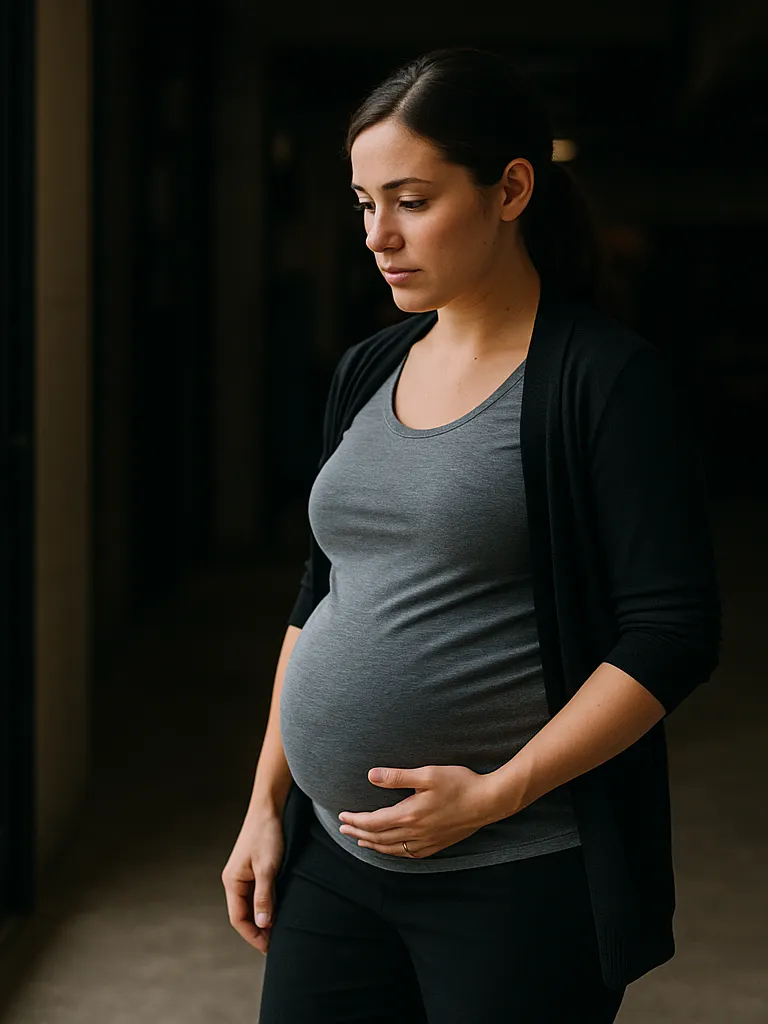


Pregnancy in the workplace is supposed to be a time when employees can count on support and stability. Yet for many workers in New Jersey, the opposite happens. Hours are cut, shifts are reassigned, or schedules are reduced soon after an employer learns of a pregnancy. Sometimes the changes are framed as “helpful” or “necessary for the business,” but for the worker, they often mean lost income and a feeling of being sidelined.
This raises an important question: are pregnant employees protected from shift reductions in New Jersey?
Let’s break down what the law requires, how shift reductions may come into play, and when speaking with a pregnancy discrimination lawyer in New Jersey could help you understand your rights.
In New Jersey, the Law Against Discrimination (NJLAD) specifically protects employees from discrimination based on pregnancy. The law covers all aspects of employment: hiring, firing, promotions, pay, and conditions of work, including schedules and shifts.
The NJLAD makes it unlawful for an employer to:
In addition, New Jersey passed the Pregnant Workers Fairness Act (PWFA), amending the NJLAD to strengthen protections. The law requires employers to provide reasonable accommodations: such as additional breaks, modified schedules, or even temporary reassignment to light duty for pregnant employees.
These protections go beyond federal law, which makes New Jersey one of the most progressive states for pregnant workers’ rights.
“The decision to speak up is powerful. But knowing what happens after — and how to protect yourself — is just as critical.”
— Olivia Rhye
Pregnant employees in New Jersey also benefit from federal laws, including:
Together, these laws strengthen the protections already available under the broader state statutes — and if your rights are violated, consulting a pregnancy discrimination attorney in New Jersey can help you understand your options.

Losing shifts or hours means reduced income, fewer chances for advancement, and in some cases, even jeopardized benefits eligibility: issues that are especially serious when considering pregnancy rights for part-time work.
Here are some ways shift reductions may cross the line:
The bottom line: decisions about schedules and shifts must be based on business needs, not stereotypes about pregnancy.
It is critical to separate illegal shift reductions from lawful accommodations, especially when it comes to pregnancy reduced hours in NJ and concerns about pregnancy bias in job transfers.
The key difference is choice. Employees have the right to request changes, but employers cannot impose them in a way that harms the worker.
To see how this works in real life, imagine the following scenarios:
Complaints of pregnancy discrimination are on the rise across the country and here in New Jersey. In less than a year, the Equal Employment Opportunity Commission (EEOC) logged 1,869 cases involving pregnancy-related issues.
Many workers experiencing reduced hours, unfair treatment, or harassment tied to pregnancy never file a report at all, often staying quiet out of fear of retaliation or damage to their careers.
The NJLAD makes retaliation illegal. If you complain about pregnancy discrimination, whether internally to HR or externally to the New Jersey Division on Civil Rights (DCR) — your employer cannot punish you for raising the issue.
Retaliation can take many forms, including:
If retaliation occurs, employees may have an additional claim under the law.
If you suspect your shifts are being reduced because of pregnancy, here are steps to take:
Employers also have clear responsibilities. To comply with the law and avoid liability, they should:
By taking these steps, employers can create a fairer workplace and reduce their legal risk.
Pregnancy should not mean losing shifts, pay, or opportunities. When employers reduce hours based on pregnancy, they undermine the financial stability of families at a critical time.
New Jersey has made clear that pregnant workers deserve strong protections. Ensuring fair treatment around schedules and shifts is a key part of those rights.
For employees, understanding these protections can make the difference between silently enduring discrimination and standing up for fair treatment. For employers, following the law helps build a healthier, more supportive workplace.
If your hours or shifts have been reduced because of pregnancy, you may have a claim under New Jersey law.
We will review your situation, explain your rights under the NJLAD and PWFA, and help you take the steps needed to protect your job and your family’s financial security.
Contact us today for legal advice and a free consultation.
 BJB Employment Law Editor
Stop wondering about your rights or if you'll be taken seriously. We treat every client with respect, urgency, and honesty. Our lawyers will listen, explain your legal options, and fight for the outcome you deserve.