
Jul 14, 2026Family and Medical Leave Act Interference
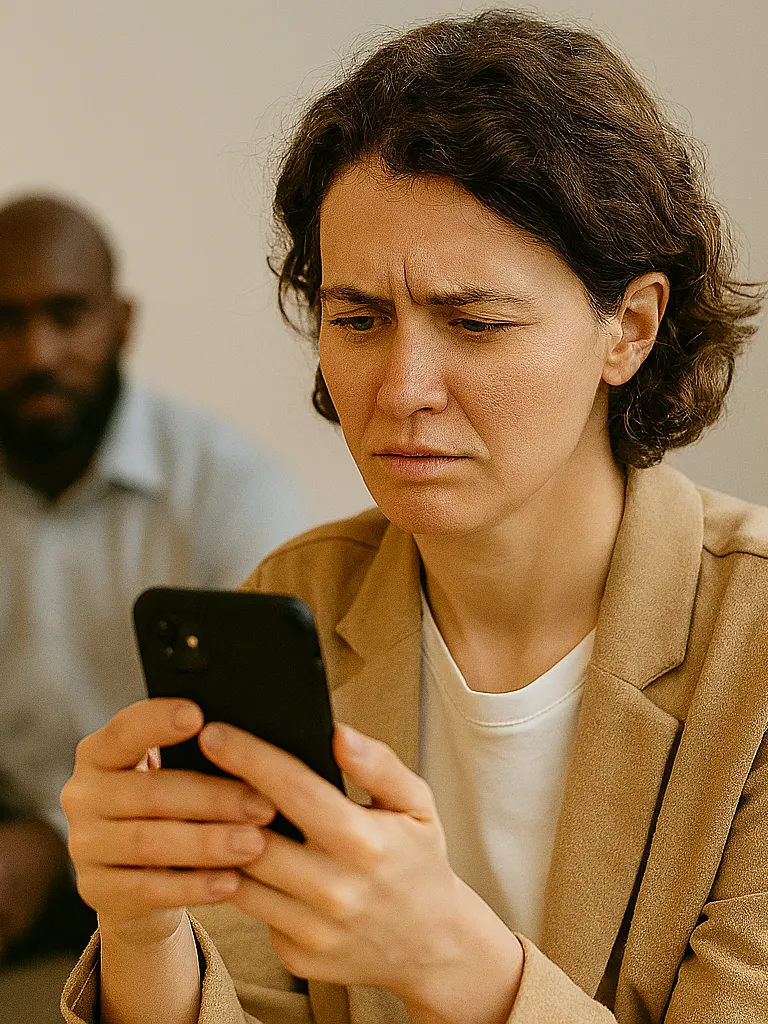


Work doesn’t always stay in the office. From Slack messages to late-night emails and Instagram DMs, communication with coworkers often continues well beyond the 9-to-5. But when casual online chats cross the line into inappropriate comments or unwelcome advances, things can get complicated fast.
Many people think harassment only happens in person or on company property. But sexual harassment through social media and direct messages is just as real and just as illegal as harassment that happens face-to-face. Whether you’re an employee worried about a coworker’s messages or an employer hoping to prevent problems, it’s important to understand how the law applies.
Sexual harassment includes unwelcome sexual advances, requests for sexual favors, and other verbal or physical conduct of a sexual nature when:
In New Jersey, the New Jersey Law Against Discrimination (NJLAD) makes it illegal for employers to allow or engage in sexual harassment. The law applies to conduct by supervisors, coworkers, and even non-employees like clients or vendors.
Sexual harassment happens even in remote workplaces. It doesn’t have to happen in the office to violate the law: it can occur at work-related events, during business travel, or through digital communications, including DMs.
“The decision to speak up is powerful. But knowing what happens after — and how to protect yourself — is just as critical.”
— Olivia Rhye
A lot of people think sexual harassment has to happen at the office or worksite. But in reality, New Jersey law recognizes that harassment can occur anywhere work-related communications happen, including:
If a coworker or supervisor sends inappropriate messages outside of work hours, or behaves inappropriately at a work event offsite, it can still create a hostile work environment — and employers can still be held responsible.

You might think that what someone sends through Instagram, Facebook, or other platforms is personal, not work-related. But if those messages are between colleagues, supervisors and employees, or others connected through work, they can create a hostile work environment.
Here are examples of how DMs can become harassment:
Even if these messages happen outside the office or on personal devices, they can still affect the workplace and create a legal issue.
Under NJLAD, employers are responsible for providing a workplace free of sexual harassment, even if the harassment takes place online. If an employee receives unwelcome sexual messages from a coworker or supervisor, the employer knows (or should know) about it, and unwanted DMs contribute to an atmosphere that’s hostile, intimidating, or offensive — your employer may have a legal duty to step in.
In other words, employers can’t ignore harassment claims just because they happened over social media or outside of work hours. If the behavior is connected to the workplace, it’s the employer’s responsibility.
Yes. If you’re receiving inappropriate or sexual messages from someone you work with, you have the right to file an internal complaint with your company. Document the messages — screenshots, timestamps, and any responses you sent — and keep them in a safe place.
Under New Jersey law, your employer must:
If your employer fails to act, or you need to file a complaint against your supervisor and you aren’t sure where to start, you can file a formal complaint with the New Jersey Division on Civil Rights (DCR) or the Equal Employment Opportunity Commission (EEOC).
If you’re dealing with social media harassment in NJ and don’t feel comfortable going to your manager or HR, you’re not alone — and there are resources out there that can help:
Employers often overlook social media in their harassment policies. But given how common digital communication is, it’s essential to address it head-on. Employers can:
If your employer ignores or dismisses complaints about inappropriate DMs, they may be held liable for failing to provide a safe work environment.
It’s possible for workplace flirting to be consensual. But employers should still tread carefully: workplace relationships can sour, and what was once consensual can become harassment if one party tries to end it and the other refuses to stop.
Moreover, a power imbalance, like one person being the other’s boss, can call the “consent” into question. Employers should have clear policies addressing workplace relationships to minimize the risk.
Under NJLAD, it’s illegal for employers to retaliate against someone for reporting harassment — including digital harassment. Retaliation can include:
If this happens, the employee may have grounds for an additional legal claim.
In today’s workplace, the impact of online interactions can’t be ignored. Social media harassment — whether through direct messages, public posts, or group chats — carries real legal weight.
Public awareness of these issues is growing, too. About 70% of U.S. adults believe that people who commit sexual harassment or assault at work are more likely to be held accountable today than they were five years ago. And around 60% think those who come forward to report harassment or assault are more likely to be taken seriously now than in the past.
These numbers show a cultural shift — but they also underscore the importance of understanding what qualifies as sexual harassment at work. If you’re experiencing issues with online harassment, speaking with a sexual harassment lawyer in New Jersey can help you navigate your options, protect yourself, and ensure your workplace stays respectful, no matter where the conversation happens.
 BJB Employment Law Editor
Stop wondering about your rights or if you'll be taken seriously. We treat every client with respect, urgency, and honesty. Our lawyers will listen, explain your legal options, and fight for the outcome you deserve.