
Jul 14, 2026Family and Medical Leave Act Interference
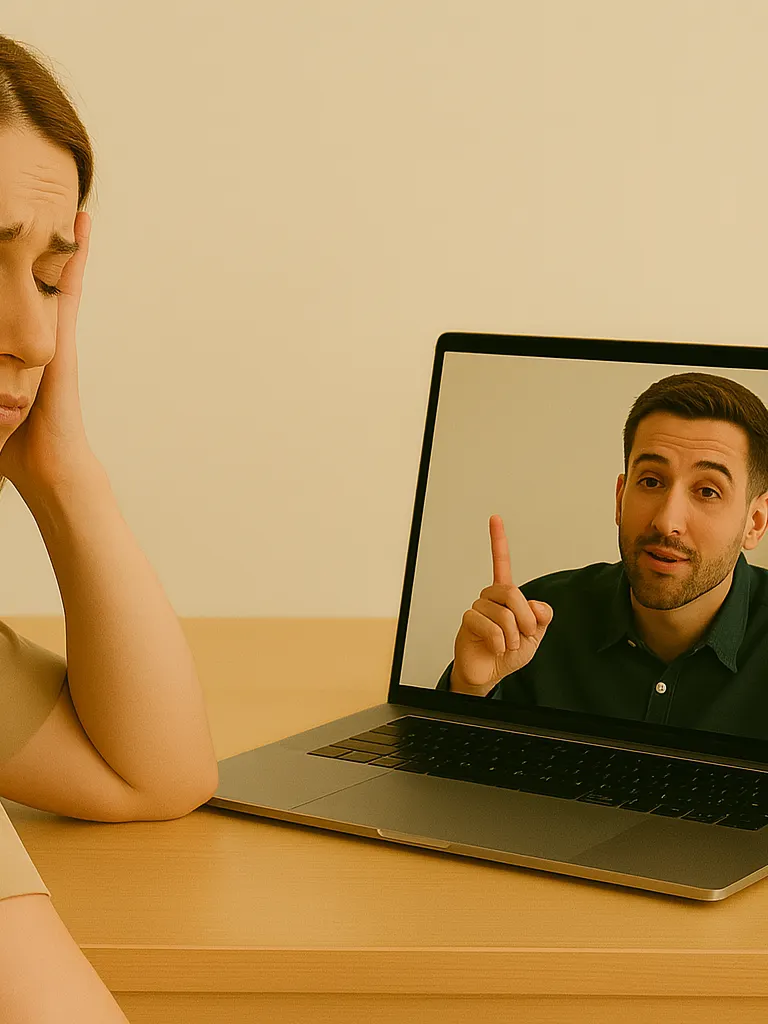


The rise of remote work promised freedom from long commutes, crowded offices — and, some hoped, toxic office behavior. Yet distance hasn’t erased every problem. Many New Jersey employees now discover that sexual harassment can travel just as easily through a laptop camera as it once did across a cubicle wall.
If you’re working from home but still receiving unwelcome comments, late-night DMs, or uncomfortable video-meeting “jokes,” you may wonder: Is this even illegal if we’re not in the same room? Under the New Jersey Law Against Discrimination (NJLAD), the answer is yes. Harassment is about conduct, not geography.
Below is a straightforward guide to how sexual harassment shows up in virtual offices, why it still violates the law, and what you can do if it happens to you.
NJLAD defines sexual harassment as unwelcome conduct based on sex or gender that either becomes a condition of employment (quid pro quo), or is so severe or pervasive that it creates a hostile work environment. Those rules apply whether you sit in an office tower or at your kitchen table.
Common remote-era examples include:
Remember: one severe incident can be enough, but a pattern of smaller incidents can also meet the legal threshold.
“The decision to speak up is powerful. But knowing what happens after — and how to protect yourself — is just as critical.”
— Olivia Rhye
NJLAD covers harassment anywhere “in a work-related context.” Courts traditionally interpreted that to include conferences, client dinners, and business trips. Virtual spaces fit the same logic. If the conduct is tied to your employment, NJLAD applies.
If the harasser is a supervisor, the company is almost always liable unless it can show (a) it used reasonable care to prevent and promptly correct harassment and (b) the employee unreasonably failed to complain. When co-workers harass, the employer is liable if it knew or should have known and failed to act.

Sexual harassment isn’t a rare one-off. Here’s what the numbers show:
Social media may be where most online harassment happens, but it doesn’t stop there — 24% of people who were harassed said it happened in messaging apps, and 11% said it happened over email. You can shut your office door to avoid a difficult coworker, but it’s a lot harder to tune out a constant ping or an email that lingers in your inbox after hours.
If you're facing virtual harassment in the workplace in NJ and don’t feel safe reporting it to your manager or HR, you’re not alone — and you do have options. Here are some resources that may be able to help:
New Jersey is a “one-party consent” state for recordings, meaning if you’re a participant you may record without informing others. However, company policies may restrict recordings, so weigh the risk or consult counsel first.
Most New Jersey employers must maintain an anti-harassment policy. Check your handbook or intranet for reporting steps.
Send a written complaint to HR or a designated compliance officer. Stick to facts; attach evidence. Keep copies of everything you submit.
NJLAD bars employers from firing, demoting, or penalizing anyone for complaining. Retaliation itself can be an additional claim.
A sexual harassment lawyer in New Jersey can clarify deadlines, negotiate with employers, or file suit for damages such as emotional distress, back pay, and punitive awards.
And if the harasser is in another state? NJLAD applies if you are a New Jersey employee or the employer does business here. You may also have claims under the harasser’s local laws.
Remote work changed where we clock in, not how the law protects us. If a co-worker or manager uses digital platforms to send unwelcome sexual comments, images, or pressure, it’s still harassment, and New Jersey law still has your back.
You deserve a safe workspace — even if it’s your living room.
Sexual harassment doesn't disappear just because your office is now a screen away. If digital messages, inappropriate comments on video calls, or unwanted online attention are making it harder to do your job or making you dread logging in every day — it’s time to talk to someone who understands the law and your rights.
You don’t have to figure it out alone. A sexual harassment attorney in New Jersey can help you understand whether what you’re experiencing crosses the legal line, and more importantly, what you can do about it. From reviewing screenshots to guiding you through the complaint process, we’re here to help you take the next step with clarity and confidence.
If something feels off, it probably is. Reach out today, and let’s talk about how to protect your rights and restore your peace of mind.
 BJB Employment Law Editor
Stop wondering about your rights or if you'll be taken seriously. We treat every client with respect, urgency, and honesty. Our lawyers will listen, explain your legal options, and fight for the outcome you deserve.