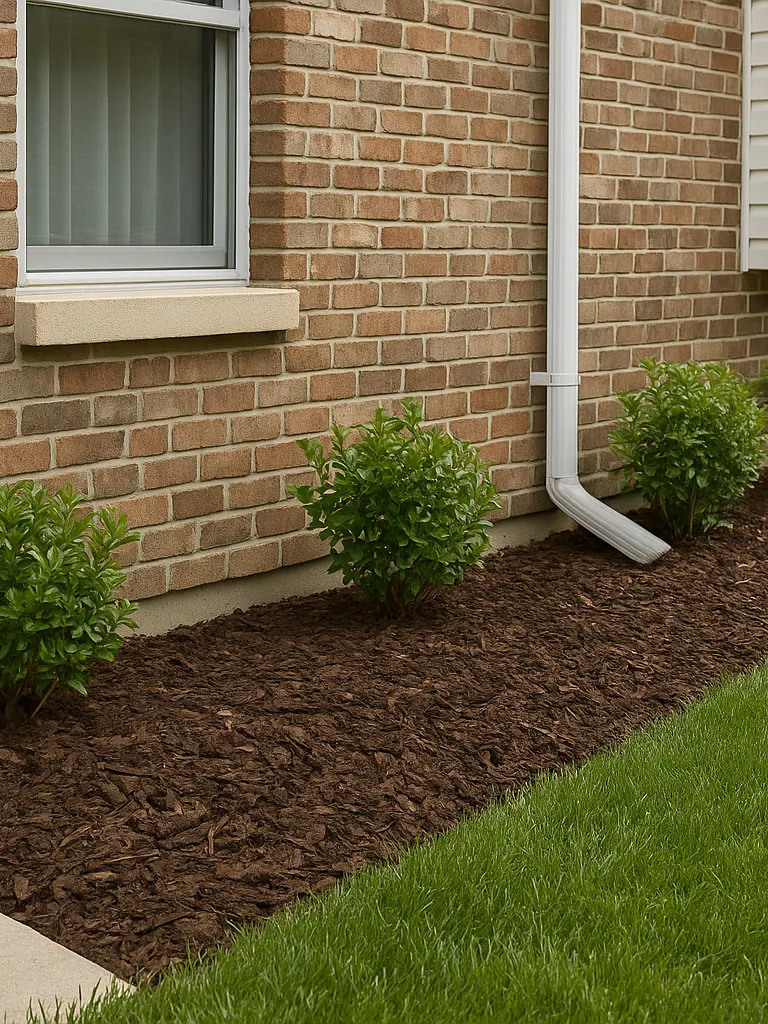
Mulch is everywhere in landscaping — it helps retain moisture, suppress weeds, and make garden beds look tidy. But beginning of 2025, a new New Jersey fire code regulation imposes strict rules on where mulch can (and can’t) go, especially near buildings and combustible structures.
This post walks you through what the new New Jersey mulch law requires, who must follow it, safety implications, exceptions, tips for compliance, and how these regulations matter for both homeowners and businesses.
What’s New In NJ Mulch Law: 18-inch Rule And Combustible Landscape Materials
Key requirements
Under the new mulch regulations in New Jersey:
- Combustible landscape materials (e.g. wood-based mulch or similar materials) cannot be placed within 18 inches of any building or structure.
- That restriction includes areas within 18 inches of a deck, porch, balcony, or any portion of the building made of combustible materials (wood trim, siding, railings, etc.).
- The rule also applies within 18 inches of any designated smoking area (as defined in the Fire Code’s section on smoking).
- If existing mulch or combustible landscape material is already closer than 18 inches, the regulation requires removal (for affected properties subject to the code) when compliance becomes enforceable.
Who must comply, and who is exempt
Not all properties in NJ must immediately follow the new fire code about mulch. The regulation’s notice and municipal updates clarify exemptions and scope. For example:
- Owner-occupied, one- and two-family or attached single-family dwellings used exclusively for dwelling purposes are exempt from this requirement.
- Some townhomes (depending on classification) also may be exempt if they meet certain structural criteria.
- Structures built of noncombustible materials (brick, masonry, concrete) or with no combustible trim/components may not need to comply in all areas.
A municipality like Hopewell Township recently published a notice citing the new distance law for mulch in New Jersey: combustible landscape materials within 18 inches of buildings or decks are prohibited — with an exception for owner-occupied single- and two-family homes.
“The decision to speak up is powerful. But knowing what happens after — and how to protect yourself — is just as critical.”
— Olivia Rhye
Why The Change: New Jersey’s Fires, Property Damage, And Risk
Why did New Jersey adopt this rule?
Garden State has seen firsthand how quickly fire can spread under dry conditions. In April 2025, the Jones Road Fire in Ocean County burned more than 15,000 acres and forced mass evacuations.
While that blaze wasn’t caused by mulch, it shows how even small amounts of combustible material — like dried landscaping near a building — can fuel dangerous fire conditions.
Mulch is often overlooked, but the fire danger is real.
- Mulch fires are dangerous and deceptive. Mulch can smolder initially — hidden beneath the surface — then flare up and spread to siding, porches, decks, or walls.
- Past fires caused significant damage. Fire officials and the DCA cited multiple incidents in which mulch ignited and led to property loss, injuries, or threatened structures. That formed part of the justification in the legislative and regulatory record.
- Preventive safety. The buffer helps ensure that a fire in the mulch has physical separation before reaching combustible walls or overhangs. The emergency shutoff, trained firefighters, and codes rely on such separation.
The DCA fact notice notes that the regulations were adopted “with a great deal of support” and highlights real life case damage, injuries, and deaths caused by mulch fires.
What Homeowners In New Jersey Need To Do Now
If you own a home in New Jersey or maintain landscaping near a home, here are steps to comply and reduce risk:
- Measure your mulch beds. Check how close your mulch is to the building’s siding, deck, porch, or balcony. If it’s less than 18 inches, you’ll need to adjust.
- Remove or relocate mulch. In that 18-inch buffer zone, remove combustible mulch or replace it with noncombustible options (stone, gravel, bare soil).
- Switch to fire-resistant landscaping materials. Some mulch products (e.g. certain rubber, stone, or fire-treated mulch) may qualify as noncombustible under the new rule. Check local code and manufacturer specs.
- Maintain clear space around combustible overhangs. The rule references clearance under overhangs, particularly those less than six feet. Be aware of plants under eaves or porches.
- Consider removing combustible trim or cladding. If siding, fascia, or decorative trim is wood or composite near grade, the buffer may be harder to maintain.
- Mind designated smoking areas. Since the rule prohibits combustible landscaping within 18 inches of smoking zones, ensure smoking zones are placed away from mulch or have noncombustible surfacing in the buffer.
- Coordinate with landscape contractors. In communities or HOAs, ensure landscapers and spec books follow the new code. Many local references urge boards to direct removal and replacement of mulch within the buffer.
Gardener-oriented publications describe how the new restrictions affect existing properties, and suggest staggered removal, plant spacing, and buffer maintenance to minimize landscape disruption.
What Businesses And Landlords Should Watch For
The new mulch rules have serious implications for commercial properties, rental properties, apartments, HOAs, retail sites, and any entity managing landscaping.
- Compliance becomes part of property management. Routine inspections, landscaping contracts, and maintenance schedules must now include buffer checks and mulch policies.
- Liability concerns. If mulch causes or enables a fire to spread to a building you own or manage, noncompliance might factor into insurance, tort claims, or code violation penalties.
- Lease and tenant obligations. Rental agreements, master leases, or commercial places might need to revise clauses: specifying landlord or tenant responsibility for mulch removal, landscaping oversight, and code compliance.
- Permit and inspection risk. New code sections (305.6, 305.7) may be enforced during fire inspections, occupancy reviews, or building permit renewals. Some municipalities have already posted the new code on their landscape materials pages.
- HOAs and common areas. Many HOA boards must review all mulch zones near building walls, walkways, or communal structures and plan phased removal or conversion to noncombustible materials. Some HOA blogs and community association law firms have begun publishing compliance guides.
- Staged compliance planning. Especially for large complexes, removal of existing mulch may need to be staged to avoid landscape shock or erosion.
- Exceptions and local modifications. In some areas, local jurisdiction may adopt stricter or clarifying rules. Always check with your municipality or fire official.
In short, for businesses, the new mulch regulations are now a compliance item, not a landscaping aesthetic.
Real-life Examples And Local New Jersey Notices
Several New Jersey towns and fire departments already publish advisories about the new regulations:
- Asbury Park, NJ issued a “News Flash” specifying that the regulation prohibits combustible mulch within 18 inches of structures, decks, and smoking areas, effective April 2025, particularly for rental properties.
- Stone Harbor posted a notice about the upcoming change; they emphasize that commercial and rental properties must comply starting April 15, 2025.
- Plumsted Township also published a notice reminding property owners of the prohibition of combustible mulch within 18 inches of buildings, decks, and designated smoking zones.
- Local contractor associations and landscaping groups are already releasing memos and guidance to help clients and communities prepare for mulch removal and code compliance.
These local efforts underscore that the mulch rules won’t remain theoretical — enforcement is coming and communities are already working to adapt.
- Fire inspectors may inspect landscaped areas near building foundations, decks, and smoking areas.
- During routine building or fire safety inspections, violations may be flagged.
- Property owners may be required to remove noncompliant mulch or face administrative penalties or notices to remedy.
- Building permits for outdoor renovations or landscaping may be withheld until compliance is confirmed.
Given that the law is new, local enforcement agencies may also issue guidance or grace periods — but relying on that is risky. Property owners who fail to comply may face enforcement actions or liability in case mulch fire spreads to building or property.
What This Means For Fire Safety And Costs
These new mulch regulations aim to reduce the frequency and severity of landscape-originated fire spread. The buffer gives firefighters better defensible space, reduces ignition risk at siding, and limits smoldering embers reaching combustible surfaces.
- Removal of mulch beds close to structures may require labor, disposal, and re-landscaping costs, especially for commercial properties or extensive plant beds.
- Replacement with noncombustible materials (stone, gravel, landscape pavers) or safely spaced rock barriers may increase upfront expenses, though many property owners view it as a long-term safety investment.
- For businesses with tight budgets or large ground cover areas, phased compliance or planning grants may help.
- In some cases, insurance providers may offer premium considerations for properties that proactively comply with fire code improvements.
There’s an example of a solid plan: remove combustible mulch near building exteriors, replant with live shrubs or stone, and monitor any remaining zones for safety in the interim.
Why Mulch Fires Are More Than Just a Landscaping Concern
Mulch is a great way for keeping the soil moist — but it can quickly become a fire hazard.
Just recently, on April 27 2025, a mulch recycling yard in Waterford Township, New Jersey went up in flames. Police Chief Daniel Cormaney reported that crews were met with heavy fire and thick smoke when they arrived. While firefighters managed to contain the blaze to the yard, there was still a massive pile of wood burning and several smaller hot spots that could smolder for days before being fully extinguished.
Mulch piles, whether in a recycling yard or up against a home’s siding, can burn long and hot. It doesn’t take much — a cigarette butt, a small ember, or even spontaneous heating on a hot day — to start a smoldering fire. Once it spreads to decks, siding, or roof overhangs, the damage can be devastating.
Without a clear buffer zone, a simple mulch bed could turn into the source of a larger disaster, threatening property, residents, and first responders.
That’s why the new regulations aren’t about appearances or tidy landscaping: they’re about fire prevention, protecting people, and reducing risk in tightly built New Jersey neighborhoods and business districts.
Landscapers, Grounds Crews, Maintenance Workers
The new mulch regulation doesn’t only affect property owners. It also touches people who do the work — landscapers, maintenance crews, groundskeepers, municipal workers. Here’s how it intersects:
- Training obligations: Employers should train workforce on the 18-inch regulation, safe distances, use of noncombustible materials, and how to spot violations. Workers should know what to remove and how to adjust beds.
- Workplace safety: Removing mulch close to buildings may involve working near edges, slopes, or structures. Employers must ensure safe work practices, fall protection, and adherence to OSHA or state safety standards.
- Contractor arrangements: Landscape contractors hired by property owners need clear contracts specifying compliance obligations and responsibility for remediation.
- Discrimination and retaliation: If an employee raises safety or compliance concerns (for example, a crew member says a mulch bed is too close), retaliation may violate employment protections. Document complaints and protect whistleblowers.
- Liability for damage: If crews inadvertently move mulch too close or violate code during installation, responsibility may fall on the employer or contractor. Proper supervision and oversight are critical.
- Scheduling, staffing, and labor costs: Remediation of mulch compliance may be labor-intensive. Employers should plan staffing and budgets accordingly.
Training obligations: Employers should train workforce on the 18-inch regulation, safe distances, use of noncombustible
Because this new rule changes how landscaping work is done, employers and workers alike must adjust practices and legal agreements.
What Property Managers And Workers Should Know
If your job involves property management, landscaping oversight, or maintenance supervision, updated New Jersey mulch rules affect workflows, budgets, and liability. Workers performing mulch removal, landscaping, or code enforcement should be prepared ethically and safely.
And when compliance intersects with your job rights — for example, if you’re pressured to skip removal, bypass safety, or manage tenant disputes — that’s an employment law issue as well.
We provide legal advice and a free consultation to workers, maintenance staff, property managers, and businesses in New Jersey. We’ll review your policy, your rights, and your options, and help you move forward with confidence.
Contact us for help navigating workplace conflicts tied to new fire code rules.
 Denis Sautin