
Jul 14, 2026Family and Medical Leave Act Interference
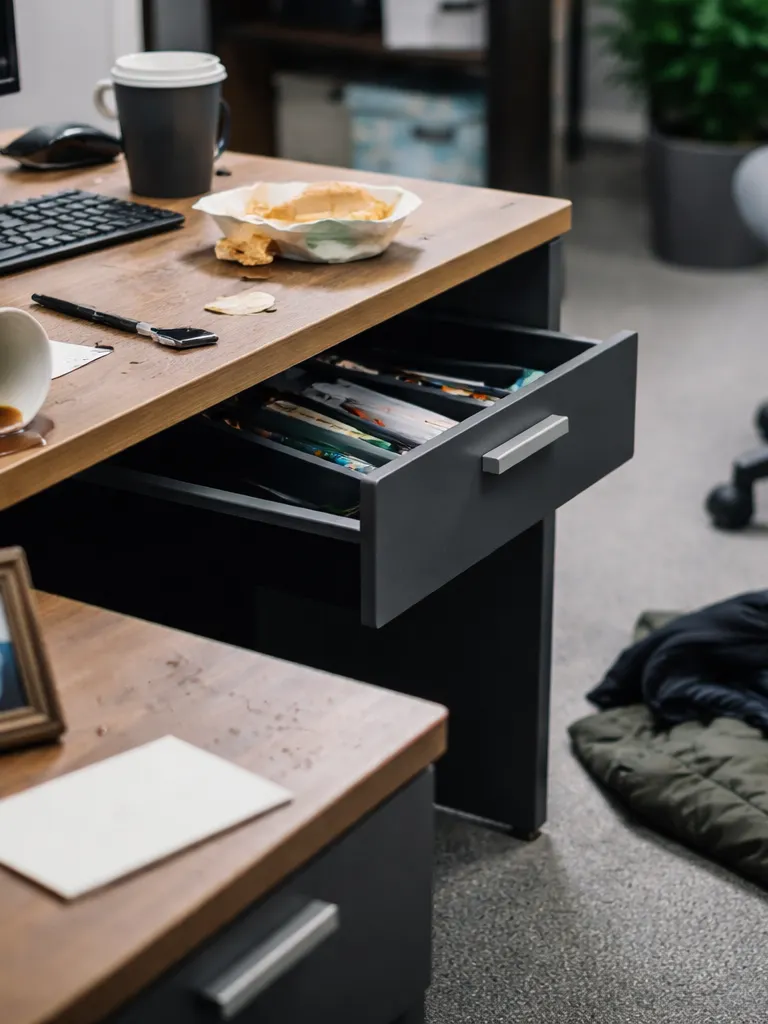


You come back from lunch and your desk drawer is open. Your jacket is on the floor instead of on the chair where you left it. A photo is turned upside down. Maybe your mug is in the trash or your lunch has gone missing from the refrigerator again.
Coworkers shrug it off as jokes or “just messing around.” But you are not laughing. It feels targeted. It happens more to you than to others. And when you speak up, someone else says, “Relax, it’s not that serious.”
This post explains how the law looks at this kind of conduct, when it becomes illegal, what employers are supposed to do, and when it’s time to get legal support from a workplace harassment lawyer in New Jersey.
In New Jersey, the strongest protection against this kind of mistreatment comes from the New Jersey Law Against Discrimination (NJLAD), which prohibits employers from discriminating against employees and job applicants based on numerous protected characteristics, including:
Under NJLAD, bias is unlawful not only in hiring or firing but also in the “terms, conditions, or privileges of employment.” That means the law covers a broad range of workplace conduct: denial of training or assigning excessive workload can be a pattern of more subtle discrimination. NJLAD also prohibits any behaviour that creates a “hostile or abusive working environment,” which includes conduct targeting an employee’s personal belongings.
Interference with personal items, when it’s common and happens repeatedly, can create an atmosphere that is intimidating, degrading, and unsafe. A coworker or supervisor who targets your belongings is sending an unmistakable message: you are not welcome or safe, even in your own workspace.
On the federal level, Title VII of the Civil Rights Act of 1964, along with the ADA, ADEA, and other statutes, mirrors the state’s protections. The EEOC’s 2024 guidance emphasizes that:
Damage to personal property can amount to both physical and psychological harm. In some cases, taking or misplacing essential items functions as performance sabotage, interrupting your workflow and creating problems that unfairly reflect on your career.
If a coworker acts out simply because they are generally disruptive, it may reflect poor management… but if your belongings are being targeted because, for example, you are the only woman on the team or the only employee of a certain faith, it can reveal a pattern of bias.
In these situations, speaking with a workplace harassment attorney in New Jersey can help you understand your rights and next steps.
“The decision to speak up is powerful. But knowing what happens after — and how to protect yourself — is just as critical.”
— Olivia Rhye
New Jersey law does not create a separate category called “property harassment.” Instead, it looks at what is happening overall in the workplace. The question is whether the conduct:
The New Jersey Supreme Court’s landmark decision in Lehmann v. Toys “R” Us and later cases established the standard for hostile work environment claims under NJLAD: courts apply the standard across different types of harassment claims, not only sexual.
The Model Jury Charge explains many types of such behavior. Even conduct that does not mention a protected trait directly can qualify if it is part of a pattern tied to that specific trait.
The nature of the item matters too. When the object being tampered with is directly connected to your identity the intent becomes much harder to deny. Damaging or hiding these items is not a joke. It is a direct attack on the protected trait they represent.
That means tampering with or stealing personal items can be one of the ways harassment shows up, for example:
In each of these situations, items themselves are being used as the vehicle for a deeper message. Turning a family photo face down is not about the object itself: it is about erasing part of who you are and making you feel out of place.
In 2024 alone, the EEOC recovered nearly $700 million for employees who experienced discrimination — one of the highest totals in recent years. That level of enforcement reflects a growing recognition of how damaging subtle, targeted mistreatment can be.

Your employer cannot sit back when bias occurs, no matter who is responsible for it. Under the NJLAD, employers have an affirmative duty to maintain a workplace free from hostility, and that obligation applies not only to misconduct by coworkers or supervisors, but also to harassment by clients, customers, vendors, or any third parties. The duty to act begins the moment the employer knows, or reasonably should know, that the behavior is happening.
Once you file a report, your employer must take the complaint seriously and conduct a prompt, thorough, and impartial investigation. A vague promise to “look into it” is not enough.
They must speak with you, interview the person accused, talk to witnesses, and take concrete steps to stop the behavior immediately. That may include disciplining the offending party, relocating them within the workplace, or implementing corrective measures to prevent further incidents.
If an employer ignores your report, minimizes the problem, or performs a superficial investigation that dismisses the conduct as harmless, they are effectively allowing the harassment to continue. In NJLAD terms, this inaction can itself create a hostile work environment.
Documenting your complaint in writing is critical because it establishes that your employer was placed on notice and failed to meet their legal obligations.
If you report your personal belongings missing or tampered with, and soon afterward find yourself placed on a vague performance improvement plan, removed from important assignments, reassigned to less favorable shifts, isolated, or even demoted, those actions may constitute unlawful retaliation — even while your original complaint is still under investigation.
The damage caused by this type of harassment is not measured by the cost of a missing mug or a damaged photo frame. It strikes at your dignity and sense of safety. The workplace — a space where you should be able to focus and contribute — becomes a source of stress and apprehension.
The psychological impact can be profound. In context, that might look like:
This hypervigilance is draining and makes it difficult to concentrate or perform your job to your usual standard. Any decline in productivity is not a reflection of your abilities, but a direct consequence of the hostile environment being created around you.
Harassers may seek to isolate their target, and that isolation can spread. Coworkers who witness the behavior may distance themselves, concerned they could become the next target. This social withdrawal magnifies the harm, leaving you feeling unsupported and alone. Over time, the injustice and emotional strain can erode your confidence and diminish the satisfaction you once felt in your work.
Tampering with or stealing your items can also cross into potential criminal territory. Acts like taking, damaging, or destroying items may amount to theft or vandalism, and you always have the right to contact law enforcement if those situations arise.
In some cases, particularly when the misconduct comes from a client or customer, the behavior can escalate into unwanted messages, repeated boundary-crossing, or even invasion of privacy that may resemble stalking. It creates an atmosphere of fear, disrupts a worker’s sense of safety, and can make simply showing up to the workplace feel threatening and overwhelming.
These situations take a profound psychological toll. Employees facing harassment or stalking may often become hyper-vigilant, anxious, and constantly on edge. They may feel compelled to change their routines, avoid certain areas of the workplace, or even consider extreme measures like buying a firearm simply to feel safe again.
When a worker is pushed to the point of contemplating personal defense to navigate their own job site, it reflects how emotionally draining and mentally exhausting the environment has become. This is the opposite of the safe, secure workplace the law requires.
But when it comes to your workplace rights, NJLAD is less concerned with whether the conduct fits a criminal label and more focused on two critical questions: Is the behavior happening because of your protected status or as retaliation? And does your employer take appropriate action once they know it is occurring?
This can leave employees stuck between systems. HR may say, “This is a police matter,” while police may tell you it’s a “workplace issue” and direct you back to HR. Both responses can miss what matters under NJLAD: if personal-property interference, intrusive communication, or stalking-like behavior is being used to target you because of a protected characteristic, you may have a civil-rights claim, in addition to any criminal concerns that law enforcement may address.
The desk, locker, or workspace your employer provides isn’t simply a place to store your things: it’s a personal refuge in the middle of your workday. It holds items that ground you, reflect your identity, and offer comfort.
When a coworker or supervisor invades that space, it’s more than a careless act or a misguided prank. It is an intrusion on your dignity, your sense of safety, and your right to exist at work without fear.
You deserve a workplace where you can focus, breathe, and feel secure. If something is making that impossible, connect with us — we can help you take the next step.
 Denis Sautin
Stop wondering about your rights or if you'll be taken seriously. We treat every client with respect, urgency, and honesty. Our lawyers will listen, explain your legal options, and fight for the outcome you deserve.