
Jun 8, 2026
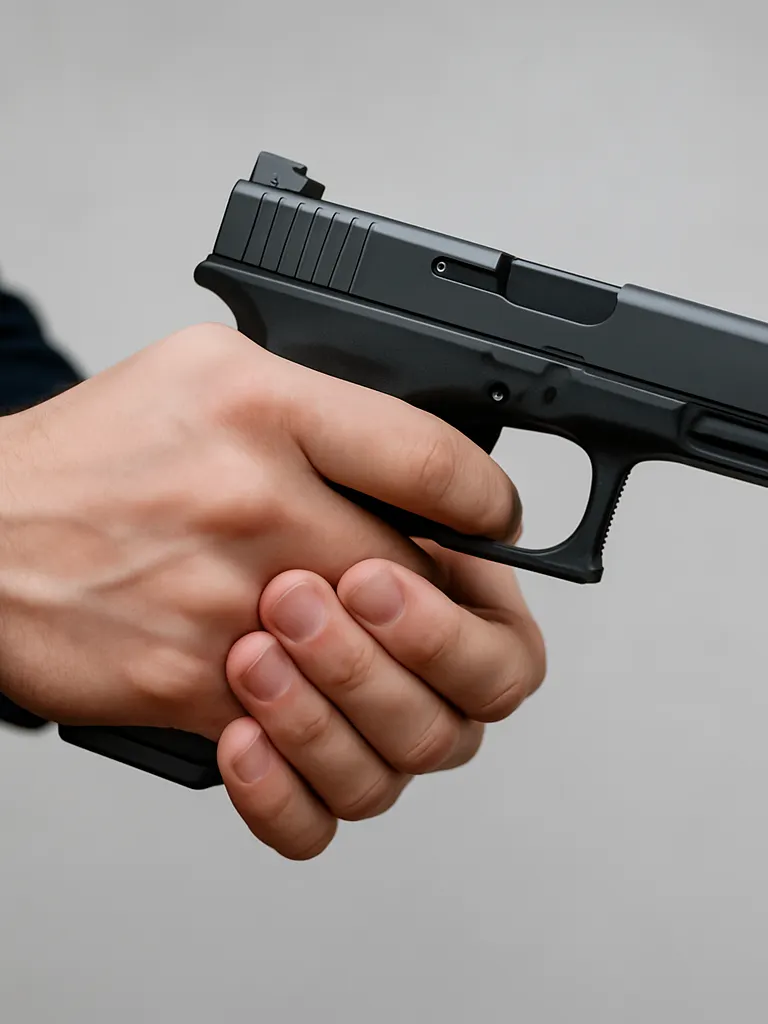


New Jersey’s gun laws are among the strictest in the country, and they’ve shifted a lot in the last few years. If you’re a Garden State homeowner, small-business owner, commuter, hunter, or simply curious about your rights and responsibilities, it pays to understand the basics.
Let’s break down how permits work, carrying (concealed vs. open), where guns are banned, the assault-weapon rules and magazine limits, “ghost guns,” vehicle transport, and how all of this touches daily life and the workplace.
Before we dive in, a quick note on timing: courts have been changing the rules around public carry since the U.S. Supreme Court’s 2022 Bruen decision. In September 2025, the federal appeals court that oversees New Jersey largely upheld the state’s “sensitive places” restrictions, while leaving a few contested pieces on hold. Expect continued litigation — but for now, much of New Jersey’s newer carry law stands.
For decades New Jersey required a “justifiable need” to carry a handgun in public. In 2022, the Supreme Court’s Bruen decision struck down that kind of discretionary standard in a New York case, which effectively put pressure on states like New Jersey to move to shall-issue systems (if you meet objective criteria, you get a permit).
New Jersey’s Legislature responded by passing a wide-ranging law (often referenced by its bill number A4769, now codified), which tightened where you can carry, set training rules, created a duty-to-inform police if you’re stopped while carrying, and tried to mandate liability insurance.
Gun-rights groups sued.
In 2025, the Third Circuit Court of Appeals mostly upheld New Jersey’s “sensitive places” rules, but left some hot-button items blocked, like the insurance mandate.
If you remember only one thing from that extensive legal back-and-forth, here’s the current result of it: much of New Jersey’s “sensitive places” map is in force right now.
“The decision to speak up is powerful. But knowing what happens after — and how to protect yourself — is just as critical.”
— Olivia Rhye
New Jersey uses two core purchase documents:
Background checks and records.
All sales involve background checks; New Jersey processes them via the State Police and the federal NICS system. Private transfers are subject to state requirements — practically, handguns must go through the permitting process and dealers, and long-gun private transfers are tightly regulated. The State Police’s firearms information hub explains the process and points applicants to FARS.
One-handgun-per-month.
New Jersey has a “one handgun in any 30-day period” rule with specific exceptions. If you plan multiple purchases, plan ahead..
Age rules.
New Jersey gun laws align with federal standards and state provisions: handgun purchase permits are limited to those 21 and over; FPIC eligibility for long guns has its own criteria. Check the statute and your local police guidance when you apply.
Where to apply.
Use the NJSP FARS portal and apply through the police department that covers your residence. The State Police page walks you through the steps and documents.
Safe storage.
Current statute penalizes allowing a minor to access a loaded firearm due to improper storage, with specific safe-storage methods listed. Lawmakers have proposed a broader “Safe Storage” act that would create general storage duties; as of this writing, those bills are pending and not enacted.

Concealed carry is legal in New Jersey if you have a valid Permit to Carry a Handgun (PCH). Today, New Jersey is shall-issue: you don’t have to show “special need,” but you do have to meet eligibility, background, and training requirements. Permits are valid for two years and require renewal. There’s also a duty to promptly inform a police officer if you’re carrying and get stopped or detained, and you must show your permit on request.
Two key points that often trip people up:
After Bruen, New Jersey built out specific training expectations for civilians. The State Police reference the CCARE qualification protocol and safe-handling certification. It explains how long a given qualification can be used toward an initial permit and one renewal, and then you must re-qualify. If you’re applying or renewing, read the State Police’s Concealed Carry page closely; it lays out the current rules and paperwork.
Even with a valid carry permit, New Jersey law bars firearms in a long list of locations, including but not limited to:
The statute also includes parking-area rules that let you lock an unloaded handgun in your vehicle’s trunk or a lock box in some circumstances. If you plan to carry, plan your day around the sensitive-places map. It’s broader than in most states, and it changes as cases get decided.
New Jersey’s modern carry framework is designed around concealment. The statute expressly says a permit “shall not be construed to authorize a holder to carry a handgun openly”, and it separately criminalizes open carry for civilians.
There are narrow exceptions written into law for certain professionals while on duty, such as authorized security or armored-car personnel, which is why you may see someone in an official role carrying openly at a workplace or event. For everyone else, assume concealed only — and only where the law allows.
Two big concepts often get mixed together: large-capacity magazines and assault firearms. New Jersey regulates both — and they’re not the same thing.
New Jersey restricts certain ammunition types.
Because ammunition charges can turn on fine factual details — where you were, where you were going, whether the ammo was in your home or in your carry pistol — it’s smart to read the exemptions closely and keep documentation for legitimate activities (range membership cards, hunting licenses, etc.).
New Jersey was early to crack down on “ghost guns” — unserialized frames, receivers, or build-kits. It is a crime to purchase parts to make an unserialized firearm, to manufacture such a gun, and to possess one. The Attorney General has enforced these laws against sellers who ship prohibited kits or parts into the state. If you’re moving to New Jersey with personal firearms, make sure everything is properly serialized and lawful under New Jersey definitions.
Whether you’re heading to the range, moving residences, or driving through the state, New Jersey’s vehicle rules are strict and technical:
Also remember the duty to inform: if you’re carrying a handgun and are stopped or detained by police, you must immediately disclose that you’re carrying and show your permit. Failing to do so carries criminal penalties.
Domestic violence orders, ERPOs, and “certain persons”
If you’re subject to a qualifying restraining order, an Extreme Risk Protective Order (ERPO), or a disqualifying conviction, you can be barred from possessing firearms. New Jersey’s “certain persons not to have weapons” section is strict. Talk to counsel immediately if any of these issues apply to you.
Non-residents
Don’t assume your home-state permit works in New Jersey. It doesn’t. You must apply for a New Jersey permit (and training) if you want to carry here; the State Police have a dedicated instruction packet for out-of-state applicants.
Hunters and ranges
Traditional sporting activities have their own exemptions and transport rules. That said, sensitive-place rules and vehicle-transport requirements still matter on the way to and from your activity.
Do I need New Jersey-specific training for a carry permit?
Yes. New Jersey requires proof of safe handling and marksmanship under standards recognized by the State Police (for example, CCARE).
Can I carry in parks or on the beach?
No. Parks and beaches are among the sensitive places where carry is prohibited, and the appeals court let those restrictions stand.
What about bars and restaurants that serve alcohol?
Also prohibited. The sensitive-places list includes bars and any site where alcohol is served.
Are guns allowed in houses of worship?
Houses of worship are on the restricted list unless very specific exceptions apply (for example, authorized security).
Does New Jersey honor my Pennsylvania or New York permit?
No. New Jersey honors no other state’s permits.
Are standard AR-15s legal in New Jersey?
Many common AR-15 configurations are prohibited as “assault firearms,” and others may be considered “substantially identical” to banned models. You must analyze the exact model and features against New Jersey’s statute and the AG guidance: when it’s the law, don’t guess.
How do I legally drive to the range with my firearms?
Unload, case the firearm, keep it and the ammo not accessible from the passenger area (use a trunk or locked container), and travel directly to and from legal locations with only reasonable deviations.
Guns and jobs intersect more than people realize. A few common scenarios:
For gig workers — couriers, rideshare drivers, and delivery contractors — the terrain is especially tricky. You may work across sensitive places (airports, hospitals, campuses), and platform policies can be stricter than state law.
New Jersey’s gun laws are strict, detailed, and evolving.
For most people, the safest approach is straightforward: concealed only with a valid New Jersey permit, avoid sensitive places, keep magazines at 10 rounds or fewer, never touch ghost guns, and transport unloaded in a case or trunk.
If your questions touch your job — for example, you’re worried about a workplace gun policy, you were disciplined for a policy violation, you’re a manager trying to write or enforce a weapons policy, or you’re a gig worker who crosses sensitive places all day — that’s an employment law issue as much as a criminal-law one. Policies must be clear, consistent, and lawful; employees deserve fair treatment and due process.
Our employment law firm helps New Jersey workers and employers navigate policy disputes, discipline, safety concerns, and handbook updates tied to firearms rules.
Contact us for legal advice and a free consultation — we’ll review your situation, explain your options, and help you move forward with confidence.
 BJB Employment Law Editor
Stop wondering about your rights or if you'll be taken seriously. We treat every client with respect, urgency, and honesty. Our lawyers will listen, explain your legal options, and fight for the outcome you deserve.