
Jul 14, 2026Family and Medical Leave Act Interference
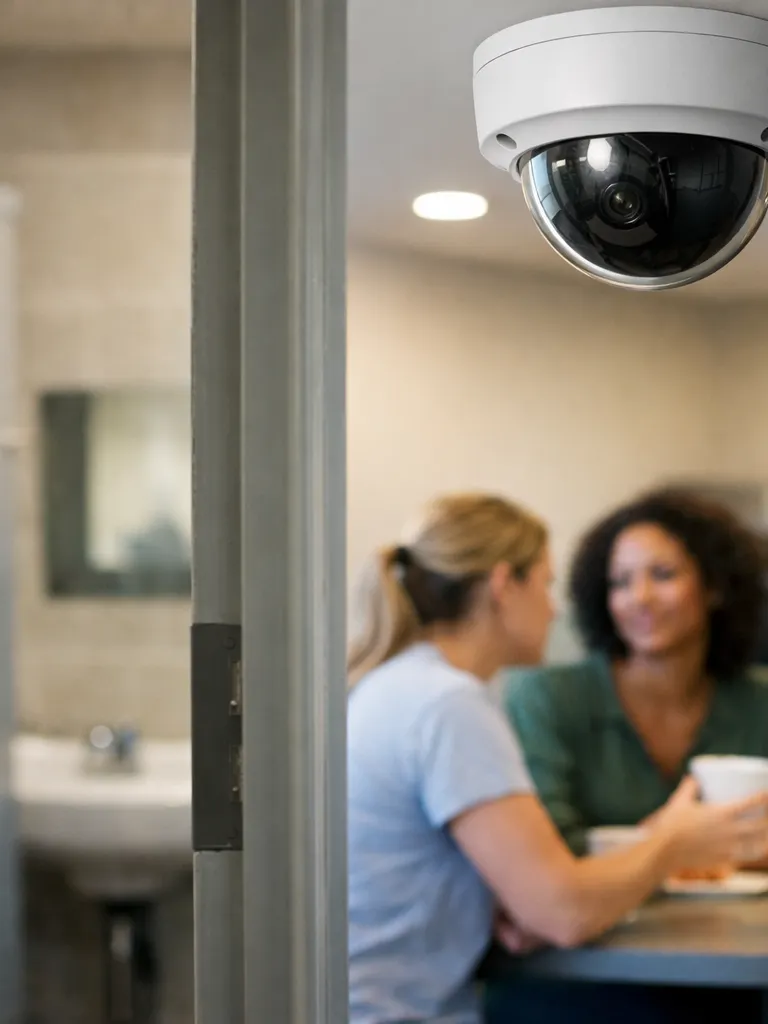


Workplace surveillance is common in many businesses and is often used for security, theft prevention, and operational monitoring. Cameras frequently appear on sales floors, at entrances and exits, and in production areas where employers want to track activity and protect company property. Many companies rely on these systems to investigate safety incidents and review events after workplace disputes.
Protecting business property is a legitimate concern for employers. At the same time, the location and purpose of surveillance systems matter. In our experience at Brandon J. Broderick, workplace policies sometimes extend beyond basic security functions. Situations arise where cameras or other monitoring devices appear in areas intended for rest or personal use.
When surveillance devices are placed in spaces such as lactation rooms or locker areas, the issue moves beyond routine monitoring. Surveillance in spaces where workers reasonably expect privacy violates New Jersey law.
This article explains how workplace monitoring is evaluated, where employers are generally permitted to place cameras, which locations lead to legal concerns, and when to consult an employment lawyer in New Jersey.
Employers often install cameras for legitimate reasons. Watching the sales floor or loading dock rarely creates legal concerns. Theft, workplace violence, safety incidents, and compliance investigations all drive surveillance decisions. Cameras also help employers resolve disputes about harassment complaints or property damage. The problem begins when monitoring moves into areas where employees expect privacy.
American courts rely on a simple idea when analyzing workplace surveillance: a reasonable expectation of privacy. If a location functions as a public work area, monitoring is legal. Privacy concerns grow much stronger when the location involves personal activities. This includes spaces where employees change clothes or use the restroom, as well as areas where workers take a break away from customers.
This is especially important for workers dealing with mental health conditions, which New Jersey law recognizes as protected disabilities. Employees sometimes need private spaces to take medication, manage symptoms, speak with a counselor, or step away briefly to regain composure during a difficult moment. Surveillance in areas intended for rest interferes with those needs.
In our practice, most employers place cameras in:
These spaces remain open to multiple employees or visitors throughout the day. Workers rarely expect privacy in those locations.
New Jersey law doesn’t prohibit workplace cameras across the board. Businesses retain broad authority to monitor their property. Limits appear when monitoring intrudes into spaces where employees reasonably expect privacy.
“The decision to speak up is powerful. But knowing what happens after — and how to protect yourself — is just as critical.”
— Olivia Rhye
Few legal questions yield clearer answers than those about surveillance in bathrooms or locker rooms. Courts across the United States treat those locations as private spaces.
A person entering a restroom expects privacy. That expectation holds whether the restroom sits inside a private home, a restaurant, or a workplace. Recording someone in a bathroom often results in serious legal consequences. Privacy law recognizes intrusion upon seclusion when someone intentionally intrudes into a private space where another person expects privacy. A restroom is one of the clearest examples.
Employers who install hidden cameras in private areas face additional legal risk under New Jersey’s invasion-of-privacy statute. The law makes it a crime to secretly observe or record someone in a place where a person expects not to be watched.
Courts treat workplace bathroom surveillance as especially invasive. Employment relationships don’t erase basic rights. Workers surrender some privacy when they enter an employer’s property, yet bathrooms remain protected spaces. Secret recordings in private areas sometimes become evidence in sexual harassment cases.
In one reported situation, workers discovered a hidden camera inside a hospital employee bathroom that required key-card access and was used by staff in the emergency department. Incidents like this often lead to criminal investigations and civil lawsuits.
Restroom surveillance crosses the legal line:
Employers rarely justify restroom cameras as a legitimate security measure. In our experience at Brandon J. Broderick, businesses typically rely on other tools, such as access control systems, to address safety concerns without intruding into private areas.
Locker rooms fall into the same category. Employees change clothing and prepare for work shifts in these spaces. Courts view those activities as private. Recording them violates widely recognized privacy standards.
Even the placement of cameras outside bathroom entrances raises questions. Employers sometimes install devices in hallways leading to restrooms for security purposes. Courts usually allow those installations if the feed doesn’t capture activity inside the bathroom itself.

Breakrooms don’t carry the same level of privacy as restrooms or locker rooms. At the same time, they differ from open workspaces.
Employees use breakrooms to step away from work tasks. They eat lunch or talk with coworkers. Those moments involve personal conversation and rest. Cameras in this setting create a different set of issues.
Courts analyze breakroom surveillance through the same principle used in other workplace privacy disputes: reasonable expectations. Several factors shape how judges evaluate these cases.
First, the purpose matters. Employers sometimes monitor break areas when theft becomes a concern, particularly if employees keep personal items such as wallets or phones in those spaces. The cameras are justified to protect both company property and employees’ personal items from theft or tampering.
Second, notice plays a major role. Workers who know cameras exist in a breakroom have less expectation of privacy than employees who discover a hidden device later. Many employers post surveillance notices in common areas for this reason.
Third, the layout of the space influences the analysis. A breakroom open to dozens of employees throughout the day resembles a shared common area. A small lounge reserved for a handful of staff members feels more private.
Employees sometimes gather in these spaces to discuss workplace issues, including complaints about harassment or bias. If monitoring begins after employees report a hostile work environment, it becomes evidence of retaliation.
Because of these rules, employers who install devices with audio capabilities in break rooms or similar spaces face greater legal exposure. Surveillance in breakrooms often falls into a legal gray area. Employers must balance security needs with employees’ expectations of privacy.
New Jersey does not maintain a single law devoted entirely to workplace cameras. Several statutes still shape how employers monitor employees.
One important law addresses audio recording. The New Jersey Wiretapping and Electronic Surveillance Control Act limits the recording of private conversations. The state follows a one-party consent rule, meaning a conversation may be recorded if one participant agrees to the recording.
Recording conversations between others without being part of the discussion or without consent from at least one participant is illegal. It can expose a person to criminal penalties and civil liability. For this reason, most workplace security cameras record video only.
New Jersey also moved toward greater transparency in workplace monitoring. A 2022 law requires employers to notify workers before installing electronic tracking devices in vehicles used for employment. Technology makes monitoring easier than ever, and public concern about digital tracking continues to grow.
Workers who experience intrusive surveillance may bring claims based on invasion of privacy. Courts evaluate those claims by examining the location of the device, the method used, and the employer’s justification.
Monitoring practices sometimes become part of a broader pattern of misconduct. This often includes systematic isolation and singling someone out for constant observation. Studies show that 42% of employees report feeling micromanaged at work. Those workers are significantly more likely to describe their workdays as tense or stressful.
Employee handbooks often address camera policies. Many companies inform workers about video monitoring in written policies or posted notices. Clear disclosure helps reduce misunderstandings and strengthens an employer’s legal position if disputes arise.
Surveillance disputes often come down to:
New Jersey courts balance business interests against privacy rights when reviewing surveillance cases. Security concerns carry weight. Privacy expectations still matter, especially in areas associated with personal activities.
Legal standards evolve alongside those changes. Privacy rights remain strongest in bathrooms and changing areas. Breakrooms occupy a more uncertain position. Open work areas remain the easiest locations for lawful monitoring.
If you have concerns about workplace surveillance cameras in New Jersey, our legal team is available to help.
Contact us today for a free consultation to discuss your situation.
 Svetlana Skvortsova
Stop wondering about your rights or if you'll be taken seriously. We treat every client with respect, urgency, and honesty. Our lawyers will listen, explain your legal options, and fight for the outcome you deserve.