
Jul 14, 2026Family and Medical Leave Act Interference


Both state and federal employment laws govern lactation accommodations. These rules require employers to provide reasonable break time and an appropriate private space for breastfeeding employees.
Through our experience at Brandon J. Broderick helping new parents return to work after maternity leave, we often see workplaces without lactation rooms. Employers sometimes view this requirement as a simple logistical detail. But New Jersey law requires workplaces to meet clear privacy and accessibility standards for nursing workers.
When an employer fails to provide a functional lactation space, it can violate New Jersey accommodation requirements.
In this article, we discuss how these workplace requirements function, how employers should approach the interactive process, what steps workers can take when accommodations are not provided, and when to speak with a pregnancy discrimination lawyer in New Jersey.
Many workers return from maternity leave while still breastfeeding. Pumping at work becomes part of the daily routine. Most employees need to express milk several times during a shift, and employers must allow them to do it safely.
Employers must provide:
These requirements come from both state and federal law.
The New Jersey Law Against Discrimination (NJLAD) requires employers to accommodate pregnancy-related needs unless the employer proves doing so would cause an undue hardship. Lactation falls within that protection.
Break time is part of the accommodation. Lactating employees need to pump every two to three hours. Delays cause pain and reduce milk supply. In some workplaces, heavy workloads or unrealistic staffing levels make it difficult for employees to step away. But allowing a single break during a long shift conflicts with the legal obligations.
Federal rules require a space that is:
Managers sometimes treat pumping as a personal choice instead of a protected condition. Common misunderstandings include:
New Jersey protections extend beyond the federal law in some situations. Breastfeeding falls within the state’s protections. A workplace that refuses to accommodate risks a pregnancy discrimination claim.
Employers who comply with the law usually adopt clear policies. Many businesses designate rooms for pumping and train supervisors on employee rights. Without a plan in place, managers improvise. Those solutions violate state requirements.
Speaking with a local New Jersey attorney about pregnancy discrimination can help clarify what the law requires.
“The decision to speak up is powerful. But knowing what happens after — and how to protect yourself — is just as critical.”
— Olivia Rhye
Providing break time is only part of the requirement. Employers must also provide a suitable place where employees can pump breast milk.
State and federal rules set basic standards for that location. Privacy is the center of those requirements. Employers often assume a bathroom solves the problem. State law rejects that approach. Bathrooms serve sanitation purposes and don’t qualify as lactation spaces.
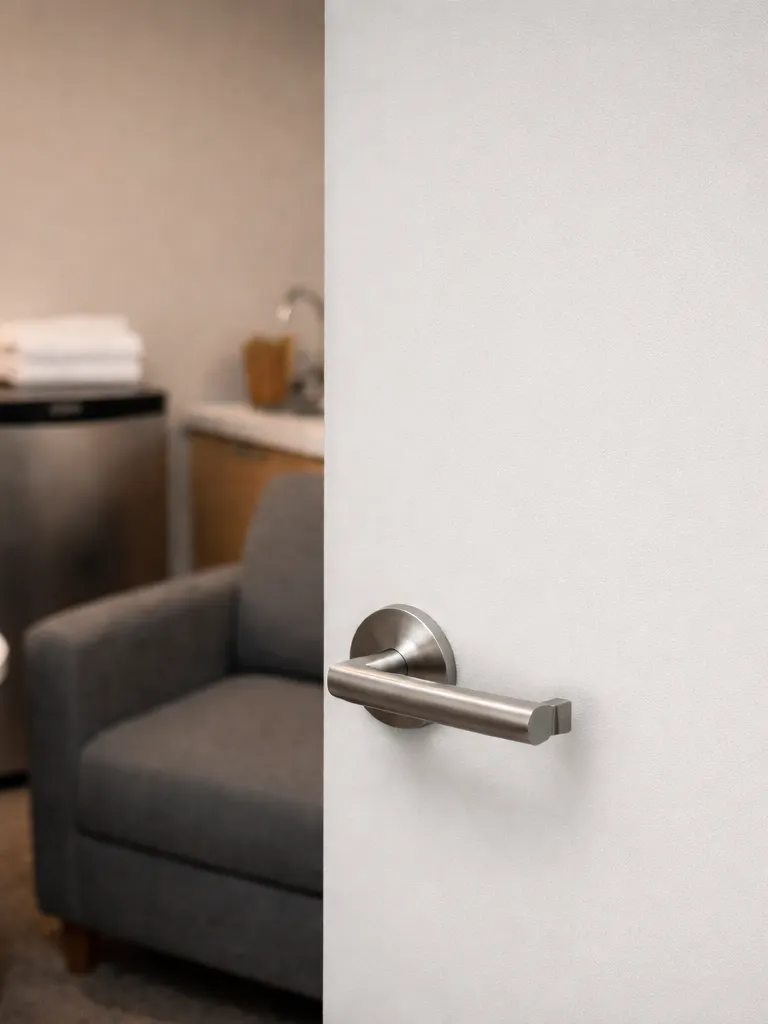
A compliant pumping space doesn’t need to be permanent. Employers can convert existing areas within the workplace. Common examples include:
Most functional rooms also include practical features that make pumping possible during the workday. In many workplaces, setting up a compliant space turns out to be simpler than expected. In our work at Brandon J. Broderick helping employers address workplace compliance issues, meeting these obligations requires only modest adjustments.
Employers often provide:
Not every feature appears in every workplace, but many employers include them because they make pumping easier and reduce scheduling conflicts.
Location also matters. Employees shouldn’t travel across a large facility. Rooms should sit reasonably close to the employee’s work area. Distance creates real problems during busy shifts. Long walks to a lactation room can also show up in productivity metrics or performance reviews. Workers in retail stores, hospitals, warehouses, or manufacturing settings often have limited flexibility to leave their stations.
Many employers now create designated wellness rooms that support multiple health needs. These rooms provide a reliable location employees can use throughout the day.
Accessibility also affects compliance. A room that requires supervisor permission every time an employee needs it creates a barrier. Workers must be able to access the space when their pumping schedule requires it.
Employers sometimes create partial solutions that still fail to meet legal standards:
In some situations, repeated “accidental” entries and inappropriate comments can turn the space into a setting for sexual harassment. When a workplace ignores those conditions, an employee feels forced to resign.

Despite clear legal requirements, many workplaces still struggle to meet their obligations. Poor planning or misunderstandings about the rules are common reasons. Some employers refuse accommodations altogether, while others offer partial solutions that fail to meet legal standards.
In the first 11 months after the Pregnant Workers Fairness Act (PWFA) took effect, the EEOC received 1,869 charges from workers who said employers refused or delayed required accommodations.
One of the most common violations involves directing employees to pump in bathrooms. Managers sometimes assume restroom stalls provide privacy. Federal law under the PUMP for Nursing Mothers Act explicitly rejects that solution.
Employees sometimes encounter workplaces that offer spaces without basic privacy, such as break rooms shared with other workers. These locations leave employees exposed to interruptions or observation.
Another common problem involves restricted access. Workers sometimes receive directions like:
Break denial also appears frequently in disputes. Supervisors sometimes pressure employees to skip breaks during busy periods. Common complaints include:
Retaliation adds another layer of legal risk. Employees who request accommodations sometimes face negative treatment afterward. Retaliation often appears in subtle ways. Examples include:
Workplace culture also influences how these disputes unfold. Some supervisors lack training. They often view pumping breaks as a personal problem rather than a legal requirement.
Employees sometimes try to avoid conflict by expressing milk in cars or bathrooms instead of requesting workplace adjustments. In our experience, these situations rarely stand alone. They tend to overlap with other forms of unequal treatment or bias.
Legal claims begin when a worker reports repeated denial or retaliation. Documentation showing a pattern can become evidence for a claim.
Workers denied proper breastfeeding spaces have several ways to protect their rights. Many disputes begin with internal complaints.
The first step is usually documentation. In many workplace disputes we review, clear records help establish what occurred and when. Employees should record:
Emails and written messages provide the strongest evidence. A simple written request creates a record showing the employer knew about the need.
Many issues are resolved once HR becomes aware of the legal requirement. Employees who continue to face resistance have the right to file complaints with government agencies. Possible outcomes include:
Employees also have the option of filing a lawsuit. NJLAD allows workers to seek compensation. Claims include damages tied to discrimination, emotional distress, or job loss.
In one lawsuit, Walgreens agreed to pay $205,000 after a pregnant employee said she was denied emergency leave to seek medical care.
According to the EEOC, a store manager told the employee she had already requested too many accommodations. She resigned so she could obtain medical treatment, and later suffered a miscarriage the same day.
When workers are pushed out after requesting adjustments, the consequences often extend beyond losing a job.
New Jersey law requires employers to support workers who need to express breast milk during the workday. When an employer refuses or responds with discipline, the issue turns into a pregnancy discrimination claim.
Employees returning to work after childbirth deserve a workplace that respects those needs. Employers also benefit from clear policies that follow state and federal requirements.
 Svetlana Skvortsova
Stop wondering about your rights or if you'll be taken seriously. We treat every client with respect, urgency, and honesty. Our lawyers will listen, explain your legal options, and fight for the outcome you deserve.