
Jul 14, 2026Family and Medical Leave Act Interference
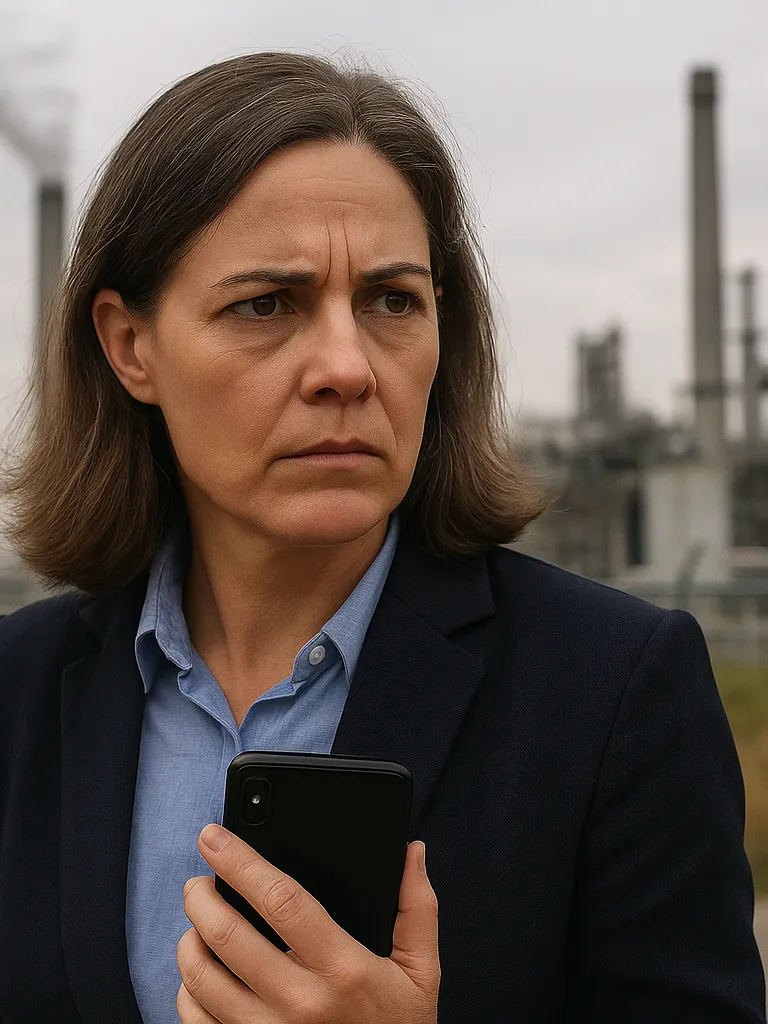


You notice something’s off — smokestack readings that never match the lab results. A drum without a label sitting by the loading dock. A valve cracked just enough to let wastewater run to the storm drain. A contractor told to “skip the paperwork” on refrigerant handling.
You raise the concern: because it’s dangerous, because the law requires it, and because your name is on the compliance log. Then the schedule changes, the cold shoulders start, your performance review slides, and a termination “for fit” appears out of nowhere. If that’s where you are, Garden State gives you real options.
Let’s break down how the state laws work against retaliation for environmental violations whistleblowing: what counts as protected activity, how to spot retaliation, what evidence actually moves a case, where to file a complaint, and what a whistleblower lawyer in New Jersey can do for the workers who find themselves in a difficult situation.
Conscientious Employee Protection Act (CEPA) prohibits employers from retaliating when an employee:
That includes subtle retaliation — like cutting hours, denying overtime after whistleblowing, or excluding you from meetings — not only outright firing. Remedies can include reinstatement, back pay, emotional-distress damages, and attorneys’ fees.
New Jersey is one of the most protective states for whistleblowers, having more than one anti-retaliation law, and that matters a lot in whistleblowing cases regarding environmental violations. It enforces multiple laws safeguarding employees who report misconduct, and provides legal options if you’ve been fired, demoted, or blacklisted after whistleblowing.
You can often pursue state and federal avenues in parallel or in sequence. The smartest route depends on timing, forum advantages, and the facts of your case.
“The decision to speak up is powerful. But knowing what happens after — and how to protect yourself — is just as critical.”
— Olivia Rhye
The list is long, but the patterns are familiar across industries — logistics, manufacturing, utilities, healthcare, hospitality, labs, and construction all run into similar pressure points.
Even when a violation seems minor, regulators take patterns of noncompliance seriously — especially when taxpayer funds or public contracts are involved. For whistleblowers under government contracts, these patterns can expose both environmental risk and potential False Claims Act liability: CEPA ensures you’re protected for speaking up.

If you're worried about being accused of making a false whistleblower claim, know this: CEPA protects employees who act in good faith — not those proven wrong after the fact. What matters is that your belief was reasonable at the time you spoke up. The law is designed to shield truth-tellers, not punish honest mistakes.
Here’s how that protection applies:
What does not qualify? Pure policy disagreements or personal disputes unconnected to law, health, or public policy typically do not trigger CEPA. The closer your complaint is to a statute, permit, or regulation, the stronger your protection.
Retaliation is anything that would dissuade a reasonable person from reporting again. It can be overt or subtle:
The law cares about timing. When the negative treatment begins soon after your protected report, courts and agencies pay attention.
According to the Ethics & Compliance Initiative (ECI), only about 56% of employees reported workplace misconduct they observed back in 2000. By 2020, that number had climbed to 86% — clear evidence that more workers today are willing to speak up and challenge unethical behavior, even when it comes with risk.
That shift is echoed nationwide. In fiscal year 2023, the SEC’s Whistleblower Program received more than 18,000 tips — a nearly 50% increase over the previous year’s record total. This surge shows that employees are not only more aware of their rights but also more confident that whistleblower protections work.
This growing courage to report wrongdoing is especially crucial in the environmental context. Environmental corners cut today become tomorrow’s fines, cleanup orders, and front-page headlines. New Jersey’s environmental laws exist to protect the state’s air, water, and land from exactly these kinds of violations.
If there is an immediate threat to health or the environment, New Jersey encourages you to report the violations themselves, apart from any employment issue:
Calling NJDEP about a discharge is different from filing a retaliation case. The hotline helps the State address environmental harm: it does not resolve back pay, reinstatement, or damages if your employer punishes you.
If you’re thinking about reporting, consider speaking first with a whistleblower lawyer in New Jersey. An experienced attorney can help you report safely and strategically: protecting your confidentiality, preserving your rights, and ensuring that if your employer does retaliate, you’ll have a strong legal foundation to fight back.
If you were punished after reporting environmental violations in New Jersey — or you’re weighing your options before you speak up — we can help.
Our team brings CEPA claims in court, files whistleblower complaints and coordinates with NJDEP when the underlying conduct requires immediate reporting. We’ll review your timeline, your documents, and your goals — and build a plan that protects your career and your community.
 Denis Sautin
Stop wondering about your rights or if you'll be taken seriously. We treat every client with respect, urgency, and honesty. Our lawyers will listen, explain your legal options, and fight for the outcome you deserve.