
Jul 14, 2026Family and Medical Leave Act Interference
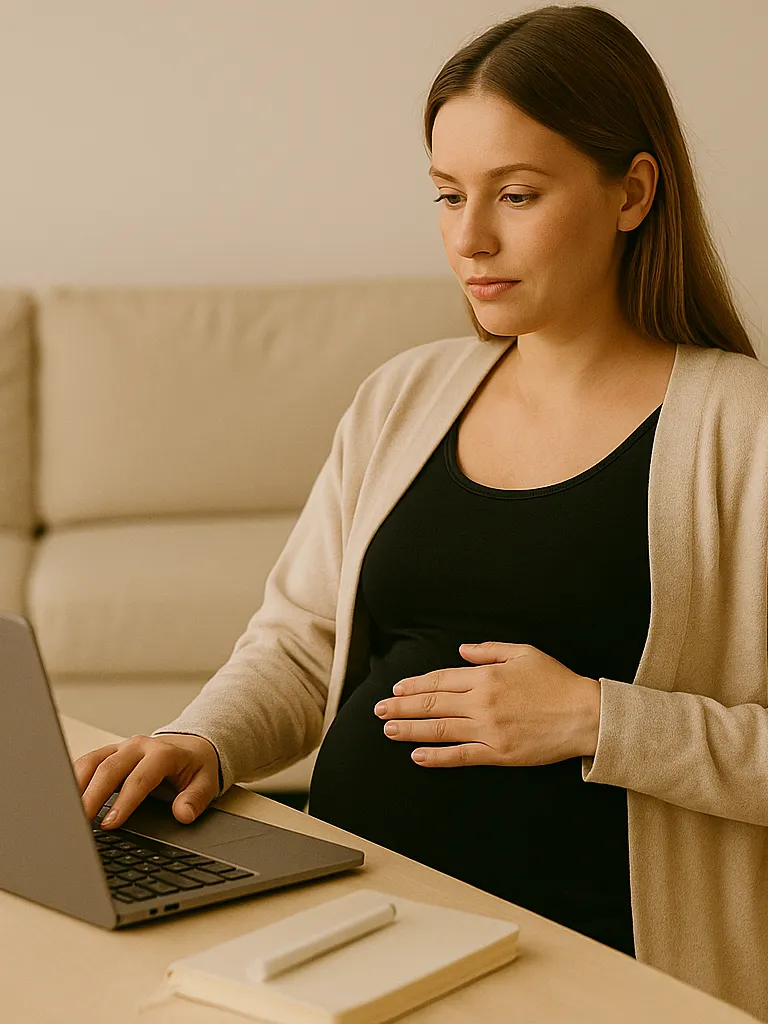


For many workers in New Jersey, remote work has reshaped the way we do business. Flexibility, reduced commuting, and a better work-life balance have made working from home a lifeline for countless employees — and especially pregnant workers. But just because you're not in the office doesn’t mean you're immune to workplace discrimination.
Pregnancy discrimination, even in remote settings, can be subtle and sometimes hard to recognize. If your hours suddenly get cut, you're excluded from meetings, or you're denied time off that others receive, it may not be a coincidence.
This article will walk you through the laws that protect employees, what discrimination can look like and how remote work pregnancy in NJ works for both workers and employers.
Pregnancy discrimination occurs when a person is treated unfairly at work due to pregnancy, childbirth, or a related medical condition. Under both federal and New Jersey state law, it's illegal to:
Remote work hasn’t changed the law, but it has changed the ways discrimination can happen.
“The decision to speak up is powerful. But knowing what happens after — and how to protect yourself — is just as critical.”
— Olivia Rhye
In New Jersey, the Law Against Discrimination (NJLAD) makes it illegal for employers to discriminate based on pregnancy or childbirth. This applies to hiring, firing, job assignments, promotions, and terms of employment — whether the employee is working in person or remotely.
The NJLAD also requires reasonable accommodations for pregnant workers. That includes modifying job duties, offering extra breaks, adjusting work schedules, or providing equipment that makes working from home more manageable.
Navigating pregnancy accommodation requests can be challenging, but if a pregnant remote worker needs time off for prenatal visits or a change in hours due to morning sickness, the employer must consider those accommodations unless they can prove it creates an undue hardship.

In addition to NJ state law, these federal protections also cover pregnant remote workers:
When state and federal laws overlap, New Jersey law typically offers broader protections — meaning employees in NJ often have stronger rights than those in other states.
Just because you're not at a physical office doesn’t mean you’re not being monitored — or mistreated. Here are some red flags that could signal pregnancy discrimination while working from home:
If you notice you’re suddenly not included in key meetings or decisions after announcing your pregnancy, it could be a sign your employer is sidelining you.
Pregnant workers might experience cuts in hours or be forced into less favorable shifts “for their own good.” But if those changes weren’t requested and negatively impact your pay or standing, it could be discriminatory.
An employer who refuses to provide a more ergonomic chair, screen magnifier, or extra break time during remote work — while providing tools for others — may be violating your rights.
Suddenly receiving poor performance reviews, being told you’re “less committed,” or having your work micromanaged after announcing your pregnancy are all potential warning signs.
Some employers might encourage pregnant employees to step away earlier than planned or suggest they stop working altogether. If you haven’t requested leave, this kind of pressure may be unlawful.
Under NJ law, employers must provide reasonable accommodations to pregnant employees — and this doesn’t stop at the office door. For remote workers, these accommodations might include:
Employers cannot require a pregnant worker to accept an accommodation they don’t want. And they can't deny a reasonable request just because it’s inconvenient or slightly disrupts workflow.
Here’s what your employers can and can’t do to avoid running afoul of anti-discrimination laws when managing remote pregnant employees:
Employers must:
Employers cannot:
If you suspect you’ve been discriminated against due to pregnancy while working remotely, here’s how you can act:
Start a record of incidents. Note times, dates, names, and what happened. Save emails, chat logs, or meeting transcripts that support your claim.
Report the issue to your HR department or through a formal complaint system. In some cases, this is required before pursuing legal options.
You can file a complaint online through the NJ Division on Civil Rights. You typically have 180 days from the last discriminatory act to do so.
Sometimes, filing a complaint with the state isn’t enough. A qualified pregnancy discrimination lawyer in New Jersey can help you decide if your rights were violated, gather evidence, and file a lawsuit if needed.
Pregnancy isn’t a free pass from being fired, but it is illegal for an employer to terminate or refuse to hire you because you’re pregnant, ask for accommodations, or take protected leave.
If you're let go shortly after requesting adjustments or disclosing your pregnancy, it could be workplace retaliation.
In New Jersey, these actions may violate the New Jersey Law Against Discrimination (NJLAD) and give rise to a wrongful termination or pregnancy discrimination claim.
Many employers assume that remote work automatically creates a fairer environment, but pregnancy bias can still show up in subtle and harmful ways.
Whether it’s questioning your focus, sidelining you from projects, or stereotyping you as less committed, these actions may violate your rights. And when complications arise, employers still have a legal duty to provide support even in a virtual setting.
Remote work can also make mistreatment harder to spot. Without colleagues nearby, you may feel isolated or unsure if what you're experiencing is wrong. That’s why awareness, documentation, and understanding employer responsibilities during pregnancy complications are essential — and why legal protections continue to adapt to the realities of modern work.
Nearly three years after the COVID-19 pandemic reshaped the American workplace, around 35% of employees in jobs that can be performed remotely continue to work from home full time — and roughly 34% of individuals who primarily work from home say they’d prefer to do so full time if given the choice.
Remote work is here to stay, and pregnancy discrimination hasn’t disappeared just because we’re working behind screens. In fact, it’s often harder to spot — and easier for employers to dismiss as “business decisions.
Whether you're navigating pregnancy while working remotely or returning to work after maternity leave, fair treatment isn’t optional.
You don’t have to choose between your health and your job. If you believe your employer has treated you unfairly due to your pregnancy while working remotely — it may be time to speak with a pregnancy discrimination attorney in New Jersey.
We’ll review your situation, explain your legal rights, and help you decide what steps to take next. No pressure — just straightforward support and guidance.
Contact us today for a free, confidential consultation.
 BJB Employment Law Editor
Stop wondering about your rights or if you'll be taken seriously. We treat every client with respect, urgency, and honesty. Our lawyers will listen, explain your legal options, and fight for the outcome you deserve.