
Jul 24, 2026


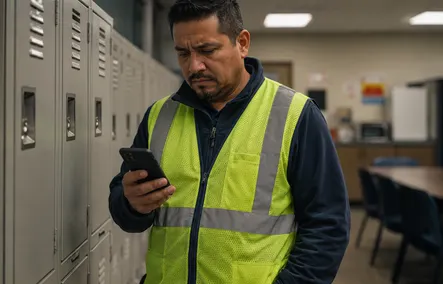
Working for a well-known franchise doesn't always mean the brand is your employer under New Jersey law.
It's common for workers to assume the national brand is responsible because that's the name they see every day. At Brandon J. Broderick, we've reviewed employment claims where the franchise owner made the main decisions. Responsibility depends on who controlled hiring, pay, scheduling, discipline, and other day-to-day employment decisions. That distinction determines who is legally responsible for unpaid wages, discrimination, harassment, retaliation, or wrongful termination.
A franchise brand isn’t always the legal employer of the people who work at independently owned franchise locations.
This article explains when a franchisor shares legal responsibility, what factors courts examine when evaluating joint employment, and when it’s time to reach out to an employment lawyer in New Jersey.
Franchising is a major part of New Jersey's economy. More than 19,800 local franchise businesses are employing over 200,000 people, generating approximately $22.9 billion in economic activity.
A brand-name franchise often looks like one large company. Locations use the same sign, uniforms, products, employee titles, and ordering system. In reality, the business is divided between the company that owns the brand and a local franchisee that owns and operates the individual location.
Most of their workers are hired by the franchisee. Its legal name appears on pay stubs, tax forms, and direct-deposit records. It interviews applicants, sets schedules, approves overtime, pays wages, and handles discipline. That is enough to make the franchisee the worker's employer.
The Federal Trade Commission describes a franchise as a business that operates under an established brand and business system owned by another company. By contrast, employees at a corporate-owned store work directly for the national company or one of its subsidiaries.
Franchise agreements often state that the local owner is responsible for its employees. Courts still examine how the businesses actually operated. A franchisor that stayed out of pay, scheduling, and personnel decisions is less likely to be considered the employer, while greater involvement in those decisions may lead to a different result.
This distinction matters before a worker files a wage, discrimination, or retaliation claim. Our attorneys identify the businesses that may be legally responsible before deciding who should be named in a claim. Naming only the logo on the storefront risks pursuing the wrong company, while naming only the local operator could overlook another business that exercised control over the employment relationship.
“The decision to speak up is powerful. But knowing what happens after — and how to protect yourself — is just as critical.”
— Olivia Rhye
Joint employment exists when two businesses exercise enough control over the same workers to carry employer responsibilities. The franchisee doesn’t stop being an employer. Instead, the franchisor also becomes responsible under the law involved in the dispute.
Courts distinguish between brand standards and control over employees. Policies, benefits eligibility, cleaning procedures, and office layouts are designed to keep locations consistent. They don’t determine who employed the staff. Courts place greater weight on who controlled employment decisions.
Facts pointing toward a joint-employer relationship include:
For federal wage claims in New Jersey, courts apply the Third Circuit's In re Enterprise Rent-A-Car Wage & Hour Employment Practices Litigation test. It considers who controlled hiring, firing, work rules, employment conditions, daily supervision, discipline, and employment records. Rather than relying on a single factor, courts evaluate the entirety of the relationship.
Two New Jersey decisions show the line between brand oversight and employee control. In J.M.L. v. A.M.P., a franchisor held meetings and offered marketing and sales guidance but had no role in hiring, firing, or personnel issues. The Appellate Division found no basis to treat it as the employer.
By contrast, Michalak v. Servpro Industries involved allegations of mandatory personnel policies and training covering discipline, hiring, and firing. The employee contacted corporate human resources about discrimination and received a promise of an investigation shortly before the local owner fired her. A New Jersey federal court allowed several claims against the franchisor to proceed.
These cases show that the outcome depends on the franchisor's role in the employment relationship, not simply its relationship with the franchisee. Our attorneys at Brandon J. Broderick review the facts carefully, including who controlled hiring, discipline, workplace complaints, and other employment decisions.

Different employment laws use different standards to determine who the employer is. A franchisor could qualify as an employer in one type of claim but not another.
For franchise workers, employer identity affects several protections:
Wage cases use the Third Circuit’s Enterprise factors. Courts applying New Jersey wage law look beyond the entity that issued the check. If the franchisor controlled schedules, pay practices, time records, or supervisors, both businesses could face responsibility. A worker cannot recover the same unpaid wages twice, but joint liability adds another responsible party.
Discrimination claims require a closer look at agency and personnel control. J.M.L. directs courts to examine the degree of control and its actual use. NJLAD also prohibits any person or business from aiding and abetting discrimination. A franchisor that knowingly gives substantial help to retaliation or harassment faces a possible claim even when it doesn’t meet the full employer test. A brand relationship or unanswered complaint alone is not substantial assistance.
Federal policy changed again in 2026. On Feb. 27, the National Labor Relations Board restored its 2020 rule for National Labor Relations Act cases. A business must exercise substantial, direct, and immediate control over essential employment terms, and indirect influence isn’t enough. The rule applies only to union bargaining and unfair labor practice cases.
The U.S. Department of Labor proposed a separate rule in April 2026 for the FLSA and FMLA. It focuses on hiring, firing, supervision, scheduling, pay, and employment records. The proposal was still pending as of July 23, so New Jersey federal courts continued to apply the Third Circuit's Enterprise decision in FLSA cases.
Identifying the employer often becomes easier after comparing records from the local business and the national brand. Workers rarely have access to the franchise agreement early in a case, but employment records can show which company controlled key decisions. Useful records include:
Claims about corporate involvement are strongest when they are supported by specific facts rather than general statements. Emails directing a franchise owner to fire an employee, payroll settings that prevent all hours from being recorded, or scheduling software that allows the franchisor to control hours, staffing, breaks, time entries, or overtime approval may help show control over the employment relationship.
Company records become unavailable after employment ends because workplace accounts may be disabled immediately. Lawfully preserved documents, including emails, screenshots showing dates and senders, and complete pay and scheduling records, provide the clearest picture. Recording conversations is a separate issue, as the laws vary by location and circumstance.
The agency handling a claim depends on the law involved. The New Jersey Department of Labor investigates state wage complaints, the Division on Civil Rights enforces NJLAD, the Equal Employment Opportunity Commission handles federal discrimination charges, and the National Labor Relations Board addresses protected organizing and concerted activity.
Filing a complaint with corporate human resources does not pause those deadlines or establish legal responsibility on its own, although the company's response may still help show the extent of its involvement.
If you have questions about who may be responsible for a workplace violation, contact us today to discuss your situation and legal options.
 Svetlana Skvortsova
Stop wondering about your rights or if you'll be taken seriously. We treat every client with respect, urgency, and honesty. Our lawyers will listen, explain your legal options, and fight for the outcome you deserve.