Jul 14, 2026Family and Medical Leave Act Interference



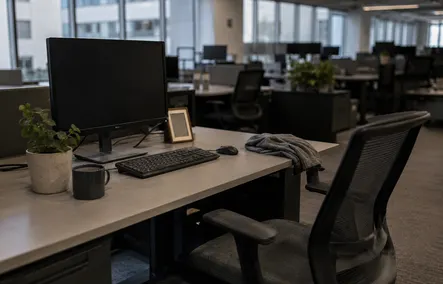
When you think about a hostile work environment, you might picture offensive comments, harassment, or blatant discrimination. But sometimes, the way a workplace is physically set up — the office layout itself — can play a big role in creating or worsening toxic conditions.
Hostile work environment claims usually center on behavior, not architecture. Still, the physical setup of your workplace can make it easier for harassment to happen, harder for employees to get relief, or more stressful for certain workers.
Let’s look at office layout and hostile work environment connections, what the law says, what employees should do if they believe their workspace is contributing to unlawful conduct, and when they might need a hostile work environment lawyer in New Jersey.
Under the New Jersey Law Against Discrimination (NJLAD), a hostile work environment happens when workplace harassment is so severe or pervasive that it changes the conditions of your employment and makes it harder to do your job.
This type of harassment can be based on protected traits like:
You don’t have to be fired or demoted for it to be illegal: the key is that the harassment affects your ability to work.
“The decision to speak up is powerful. But knowing what happens after — and how to protect yourself — is just as critical.”
— Olivia Rhye
An office’s physical setup can make harassment or discriminatory behavior more likely or more harmful. Here’s how layout plays into it:
While open floor plans can promote collaboration, they can also make it difficult to avoid uncomfortable interactions. If someone is being subjected to constant comments, stares, inappropriate jokes, or even a coworker’s political talk that becomes intrusive, there’s no easy way to escape.
On the flip side, putting someone in an isolated area can also be a problem — especially if they’re being excluded or treated differently because of a protected characteristic. Isolation can be a form of retaliation or discrimination if it impacts opportunities or makes the work environment hostile.
If the office layout isn’t accessible for employees with disabilities — for example, narrow hallways, inaccessible bathrooms, or desks that can’t accommodate wheelchairs — it could be a violation of NJLAD or the Americans with Disabilities Act (ADA).
Seating someone directly next to or across from a person who has been making offensive comments (after they’ve complained) can be seen as retaliation.
In some workplaces, harassment from customers, vendors, or other third parties can be a problem. A layout without secure access points or adequate visibility may increase the chances of such harassment happening.

The way a workspace is arranged can:
If an employee reports harassment and the employer ignores how the workspace arrangement plays into it, that could strengthen a legal claim.
In New Jersey, employers have a legal duty to:
This responsibility includes not only disciplining offenders but also adjusting the workplace environment if needed. If an office layout contributes to ongoing harassment, ignoring it could count as failing to address the problem.
Even if harassment comes from customers, vendors, or others not on the payroll, an employer can still be held liable if they knew or should have known about it and failed to take reasonable steps to stop it.
An uncomfortable or poorly designed office isn’t automatically illegal. But it can become part of a hostile work environment claim if:
Remember, under the NJLAD, the question isn’t whether the situation would bother everyone: it’s whether it would create a hostile environment for a reasonable person in the victim’s position. This distinction matters, because it helps separate the reality of a hostile work environment from simply having a tough boss.
If you believe your workspace is contributing to harassment or discrimination, here’s a practical plan:
Document the Problem
Report It Internally
Request Reasonable Changes
File a Complaint with the State or Federal Agency
Talk to a Hostile Work Environment Lawyer in New Jersey
A hostile work environment attorney in New Jersey can evaluate your case, guide you on the best legal path, and ensure deadlines are met.
This step is especially important if the harassment continues after you’ve reported it internally, or retaliation after reporting a hostile work environment follows.
Many employees hesitate to raise concerns about “something as small as seating” because it can seem petty. But when the physical layout contributes to harassment or discrimination, it’s far from minor.
Employers may dismiss it as a simple logistical matter, overlooking the legal risks of ignoring hostile work environment claims. That’s why it’s essential to clearly explain how the setup is tied to the harassment when making a complaint.
To reduce the risk of hostile work environment claims tied to layout, NJ employers should:
An office environment in NJ, something as simple as desk placement or an open floor plan, might not seem like a legal issue at first. However, when harassment or discrimination is involved, these factors can play a key role in determining whether a hostile work environment exists and whether an employer is fulfilling their obligations under the NJLAD.
In fiscal year 2024, the U.S. Equal Employment Opportunity Commission received over 88,000 workplace discrimination complaints — and secured more than $40 million through litigation. This surge may signal that more workers are stepping up to report mistreatment, fueled by increased awareness and a stronger willingness to speak out.
If your workplace setup is contributing to ongoing harassment, don’t dismiss it as “just the way the office is.” You have the right to speak up, request changes, and take legal action if needed.
If your workplace setup is making harassment worse and your employer is doing nothing about it, you may have legal rights under the NJLAD.
Our experienced employment law team can evaluate your situation, explain your options, and fight for the changes or compensation you deserve.
Contact us today for a free consultation with a hostile work environment attorney in New Jersey — your work environment should never make you feel unsafe or targeted.
 BJB Employment Law Editor
Stop wondering about your rights or if you'll be taken seriously. We treat every client with respect, urgency, and honesty. Our lawyers will listen, explain your legal options, and fight for the outcome you deserve.