
Jul 14, 2026Family and Medical Leave Act Interference
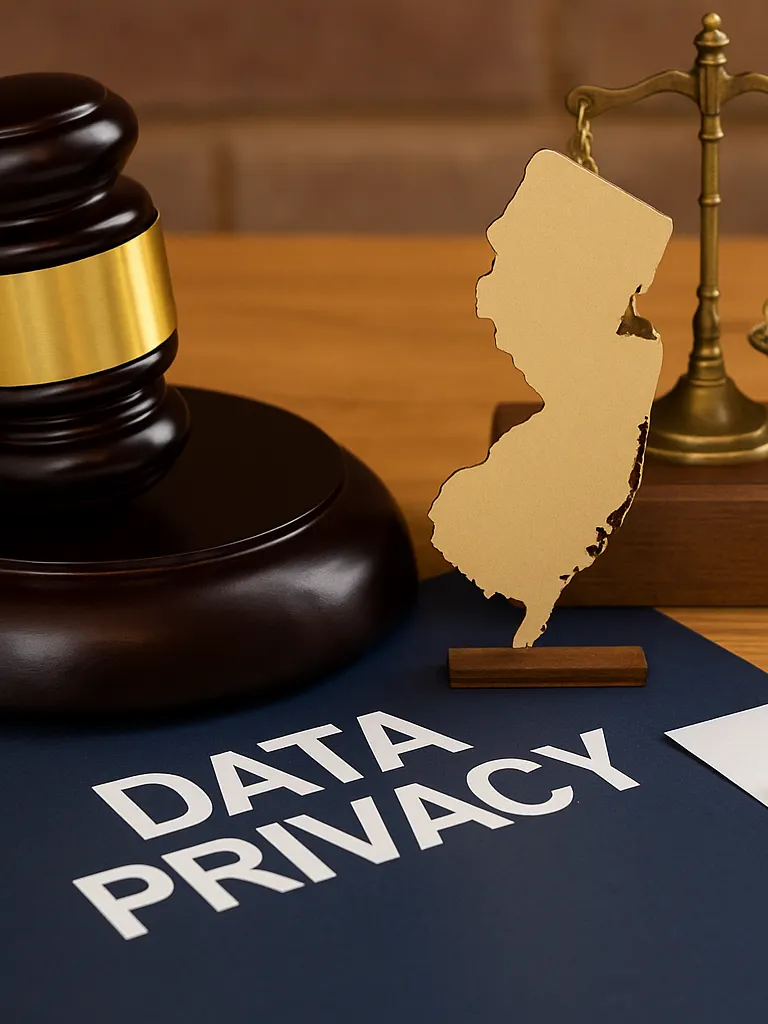


New Jersey has taken a big step forward in protecting consumer data. On January 15, 2025, the New Jersey Data Privacy Act (NJDPA) came into force, giving Garden State residents new rights over how their personal information is collected, shared, and used. It establishes clear guidelines for businesses, nonprofits, and institutions that handle large amounts of consumer data.
This post breaks down the NJDPA in comprehensive terms: what it means, who it affects, how consumers can exercise their rights, what businesses need to do, and what comes next.
New Jersey’s data privacy law — called the New Jersey Data Protection Act — joins more than a dozen other states in governing how personal data is handled. It goes into effect on January 15, 2025 and includes a grace or cure period until mid-2026 for violations.
Senator Raj Mukherji, a former Assemblyman, emphasized the stakes bluntly: many New Jerseyans would be surprised to learn that their private family details are sold for profit like commodities, often without disclosure.
At its core, the new law aims to change that. It gives New Jersey consumers rights over their personal data and imposes clear responsibilities on companies that collect or use it. The stakes are significant in a digital age where every click, location ping, or online sign-up can quietly build a profile about us — frequently without our knowledge at all.
In short, if you're a resident, the NJDPA empowers you. If you're a business or organization handling data, the NJDPA simply demands real accountability.
“The decision to speak up is powerful. But knowing what happens after — and how to protect yourself — is just as critical.”
— Olivia Rhye
At its core, the New Jersey Data Privacy Act is about NJ consumer rights and giving people more control over their own information.
It says that if companies collect your data — things like your name, address, email, browsing habits, or even more sensitive details — you get certain rights, and companies must handle that data responsibly.
Unlike some laws, this one will be enforced by the state Attorney General, not by individuals filing lawsuits. That means if a company breaks the rules, the state can step in and take action.

Not every business is covered. The law applies mostly to bigger companies or organizations that handle a lot of personal data. Specifically:
This includes not just for-profit businesses, but also nonprofits and colleges: a unique twist that sets New Jersey apart from many other states.
Exemptions exist for things like:
So while not every company falls under the law, many online retailers, social media platforms, and service providers that operate in New Jersey will have to comply.
Once the law kicks in, you as a New Jersey resident will have the power to do a lot more with your personal data. Some of the key rights include:
And here’s a big one: for sensitive data, companies have to get your permission before using it. Sensitive data means things like:
Children’s data gets even more protection. For anyone under 16, companies need clear consent before targeting them with ads or selling their data, to comply with COPPA protection.
The law doesn’t simply give rights to consumers: it also puts a lot of responsibility on businesses. If you run a company that falls under the law, here’s what’s expected:
Processors — businesses that handle data for someone else (like cloud providers or payroll companies) — must also sign contracts with controllers and follow strict rules.
Take Maria, a driver for a popular food delivery app in Newark. Every time she logs into the app, it collects data about her: not just her name and payment information, but also her location, delivery times, customer ratings, and even details about the restaurants she frequents.
Under the New Jersey Data Privacy Act, Maria may gain new rights when the law takes effect:
For Maria, these rights for privacy tie directly to her livelihood. A bad rating or data error can mean fewer shifts, less income, or even deactivation from the platform. Having the ability to see and correct her data could help protect her job.
For the delivery company, this means new responsibilities. It will need to set up systems for handling these requests, make sure its algorithms comply with the law, and train staff to respond properly. If it fails, it could face penalties from the state — or damage its reputation with workers and customers alike.
Gig workers, contractors, and even traditional employees are often subject to heavy data collection. The new law on NJ consumer private data is designed to give people like Maria a stronger voice in how that data is used, which can directly affect job security and fairness in the workplace.
Whether you’re a consumer or a business, here are some practical steps:
For consumers:
For businesses:
If your workplace handles both employee data and consumer data, careful policy design, strong data governance, and legal guidance will be essential.
More and more workplaces use digital tools to keep track of their employees. Sometimes it’s obvious — like a timeclock app or a GPS tracker on a delivery vehicle. Other times, it’s less visible, like keystroke logging software, email monitoring, or productivity dashboards that record how long you spend on tasks.
The law was written mainly for consumer data, not employee data. But that doesn’t mean workers are left unprotected.
Data rights are becoming the norm. Even if employees aren’t fully covered yet, the cultural and legal shift is happening. Workers are asking tougher questions about how their information is used, and employers will need to be ready with answers.
In a world where our phones know more about us than some of our closest friends, having control over personal information isn’t a luxury anymore — it’s a necessity.
The New Jersey Data Privacy Act is a big step forward in protecting residents, holding companies accountable, and setting new standards for fairness in the digital age.
For everyday people, it means more control. For businesses, it means a new era of responsibility. And for workers, it’s another reminder that the rules around technology and employment are evolving quickly.
New Jersey’s law reflects a trend: with no comprehensive federal privacy law yet in place, states themselves are filling the gap. NJ’s version stands out for its robust protections and inclusive scope — including nonprofits, financial info, and baby steps toward universal opt-out controls.
As privacy becomes a professional task, not just a checkbox, the NJDPA signals a significant shift. It encourages businesses to treat data with respect, gives residents meaningful control, and positions the Garden State as a forward-thinking actor in digital consumer rights.
If you’re unsure how the NJDPA may affect your workplace — whether you're an employee navigating personal data practices or an employer arranging compliant policies — help is available.
We specialize in navigating privacy concerns in the workplace and can help ensure your policies are not just compliant, but fair and transparent.
Contact us today for experienced legal advice and a free consultation.
 BJB Employment Law Editor
Stop wondering about your rights or if you'll be taken seriously. We treat every client with respect, urgency, and honesty. Our lawyers will listen, explain your legal options, and fight for the outcome you deserve.