
Jul 14, 2026Family and Medical Leave Act Interference
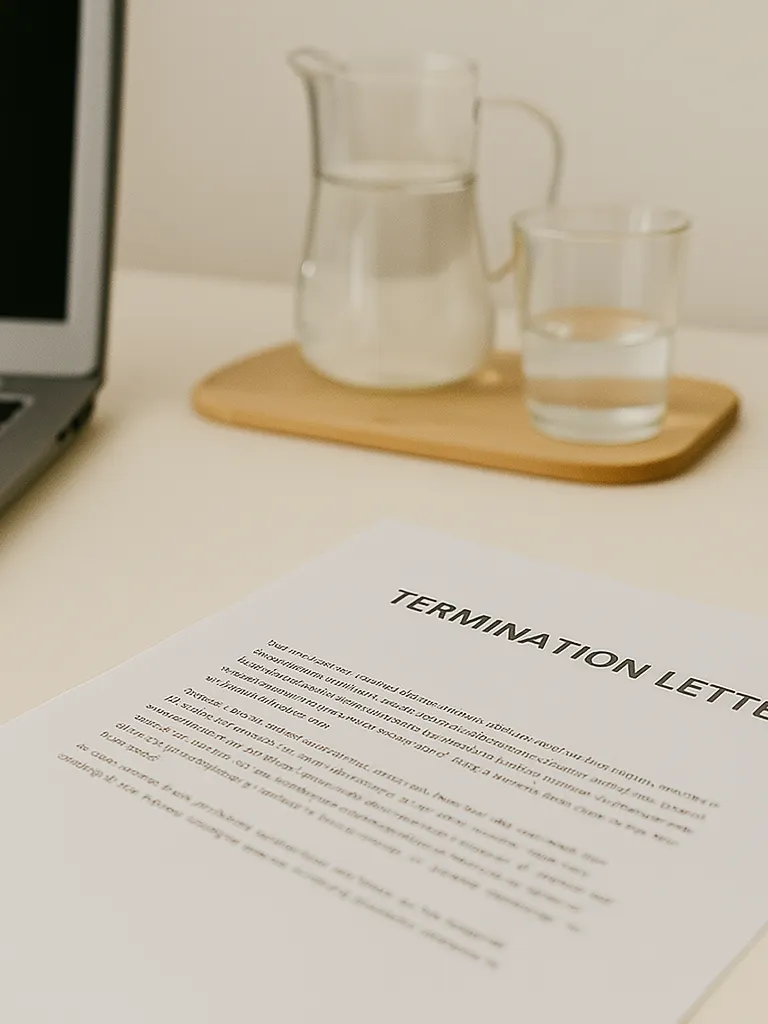


If you’ve ever been handed a termination letter without warning, you may have been told it’s because of “at-will employment.” It’s a term that gets thrown around a lot in workplaces — often to explain why someone can be fired for almost any reason. But what does at-will employment really mean in New Jersey? More importantly, does it mean employees have no rights?
At-will employment is the default rule in New Jersey, but it’s not the whole story. There are important protections under state and federal law that limit what employers can do even in an at-will setting.
This guide will walk you through what at-will employment means, what it doesn’t, and the legal exceptions that might protect you from wrongful termination or unfair treatment in the workplace.
In basic terms, at-will employment means that either the employer or the employee can end the working relationship at any time — sometimes, it means you could be fired without proper warning.
So yes, under this rule, your boss can technically fire you because:
Likewise, you can quit your job without explanation or advance warning.
But there’s a big caveat: You can’t be fired for an illegal reason. And this is where things get more complicated.
“The decision to speak up is powerful. But knowing what happens after — and how to protect yourself — is just as critical.”
— Olivia Rhye
New Jersey law (and federal law) places real limits on the at-will doctrine. You can’t be fired, demoted, or treated unfairly if the reason behind it is discriminatory, retaliatory, or violates public policy.
Some common examples of illegal reasons for firing include:
If you were let go and suspect that one of these reasons was behind it — even if your employer gave a different excuse — you may have a case for wrongful termination.

New Jersey offers some of the strongest workplace protections in the country. Here are a few of the key laws that limit the reach of at-will employment:
NJLAD prohibits workplace discrimination based on:
It also protects workers from retaliation for reporting discrimination or participating in investigations.
Often called the “whistleblower law,” CEPA protects employees who report:
You can’t legally be demoted, harassed or fired for refusing unsafe work or for speaking up — even if your employer claims you were “at-will.”
If you’re eligible for unpaid family or medical leave under either the federal FMLA or the New Jersey Family Leave Act, your job is protected while you’re away. Employers who fire someone simply for taking leave may be breaking the law.
These laws prevent wage theft, guarantee overtime pay, and ensure accurate pay for time worked. If you’re fired for questioning your wages, that could be considered unlawful retaliation — even if your job was technically at-will.
Although at-will employment is the default, there are several exceptions that give employees more protection.
If you have a written employment contract that outlines terms and conditions (including how or when you can be fired) those terms generally override the at-will rule.
Some contracts may even require “just cause” for termination.
In some situations, courts have found that handbooks, policies, or promises made by employers can create an implied contract, especially if the language suggests job security or a step-by-step disciplinary process.
If your employer regularly says things like “you’ll always have a place here as long as you perform,” that might form the basis of an implied agreement.
New Jersey recognizes a broad public policy exception to at-will employment. That means your employer can’t legally fire you for reasons that go against fundamental public values — such as refusing to falsify records or reporting safety violations.
The same principle may apply if you’re fired for a social media post that exposes workplace misconduct, environmental harm, or other illegal activity. In these cases, your termination could be considered wrongful under New Jersey law.
It’s not always obvious when an at-will termination crosses the line into wrongful termination. Here are some red flags:
Even if you were labeled an “at-will employee,” these patterns could indicate retaliation or discrimination — both of which are protected under New Jersey law.
If you believe your termination may have been illegal, don’t wait to act. Here’s what you can do:
At-will employment gives employers the ability to hire and fire as needed — but it doesn’t wipe away your legal protections. You still have the right to a workplace free from discrimination, harassment, wage theft, and retaliation. And whether you're leaving voluntarily or being let go, you don’t have to surrender your dignity or your rights.
There’s a big difference between a wrongful termination and a layoff. If you're singled out for speaking up, taking protected leave, or because of a protected trait like race, gender, or disability, that could be illegal.
If something doesn’t feel right, trust your instincts. Ask questions. Get informed. And don’t hesitate to speak to someone who can help you understand your options.
Being told you're an "at-will" employee can make you feel powerless, but New Jersey law says otherwise. If you've been let go and something doesn’t sit right, it may not be just business as usual.
Consider reaching out to a wrongful termination attorney in New Jersey. They can help you figure out your at-will rights in NJ and what your next steps could be in case of wrongful termination.
Contact us today for your free consultation.
 BJB Employment Law Editor
Stop wondering about your rights or if you'll be taken seriously. We treat every client with respect, urgency, and honesty. Our lawyers will listen, explain your legal options, and fight for the outcome you deserve.