Jul 6, 2026

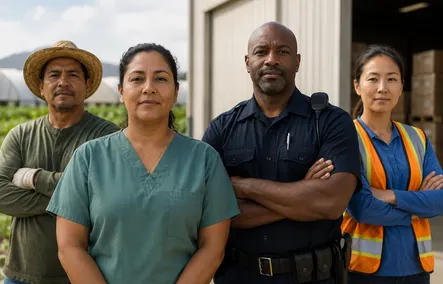
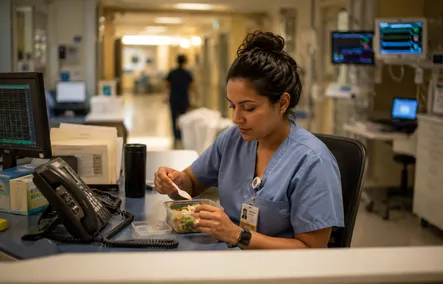
During the COVID-19 pandemic, many employers furloughed or laid off large parts of their workforce or significantly reduced the hours and number of shifts. As operations resumed, emergency federal, state, and local rules were introduced to address recalls.
The end of most COVID-era emergency labor policies has left many workers uncertain about whether recall rights or reinstatement protections still apply.
Employment disputes tied to pandemic layoffs focus on what happened after the initial separation. Our legal team at Brandon J. Broderick sees these cases most often where workers were later excluded from recall once operations resumed. Some expected priority rehire rights after their leave extensions and temporary measures. While many COVID-era protections were temporary, that doesn’t end the claim.
The way return-to-work decisions were handled can still carry legal consequences depending on the facts and applicable law.
This article explains what reemployment rights existed, which protections have expired, what workers should understand about recall and rehire decisions today, and when to contact an employment lawyer in New Jersey.
COVID laid off a large share of New Jersey’s workforce in a matter of weeks. State data shows New Jersey lost about 723,700 jobs in March and April 2020 alone. This is equal to roughly 17.1% of total nonfarm employment before the shutdowns. Unemployment jumped to 16.6% in June 2020, one of the highest rates in the country at the time.
During that period, “recall” became a common workplace promise, especially in small and family-owned businesses. Employers furloughed workers with the expectation of bringing them back once business returned. Employees received notices saying they would be called back when operations resumed. The language created the impression of a legal right to reemployment tied directly to COVID.
New Jersey did not create a blanket statute requiring private employers to rehire laid-off workers. Most protections during the emergency focused on job protection during illness, quarantine, or public health leave rather than guaranteeing reinstatement after layoffs ended.
New Jersey did issue temporary job protections tied to COVID-related absences. The state recognized limited job protection for workers who followed public health guidance for isolation or quarantine during the declared emergency period. Those protections ended when the public health emergency expired on June 4, 2021.
Unemployment rules also added confusion. During the pandemic, NJDOL adjusted certification questions so that workers waiting for recall did not always have to show an active job search after firing or separation. This helped people stay eligible for benefits, but it did not create a legal right to return to a specific job.
Recall during COVID came from employer communication, not a state-wide or federal statute.
Once the emergency ended, the informal recall expectations stopped controlling outcomes. Employers returned to standard hiring discretion unless another legal rule applied.
“The decision to speak up is powerful. But knowing what happens after — and how to protect yourself — is just as critical.”
— Olivia Rhye
A major source of confusion in reemployment rights comes from WARN laws. Both federal and New Jersey WARN deal with advance notice of layoffs and mass terminations, not reinstatement rights.
New Jersey’s WARN law requires covered employers to provide advance notice before certain mass layoffs or shutdowns. The law applies to employers with 100 or more employees and triggers notice obligations for qualifying mass layoffs affecting 50 or more employees at a single location during 30 days.
The statute focuses on timing and severance. Employers must provide notice to workers, local government, and NJDOL. When triggered, the law requires severance pay tied to length of service and mandates advance notice or pay instead of notice.
Federal WARN works similarly. The U.S. Department of Labor explains that covered employers must give 60 days’ notice before plant closings or mass layoffs, with certain exceptions for unforeseeable business circumstances and natural disasters.
During COVID, many employers relied on these exceptions due to sudden shutdowns. WARN notices often described furloughs that later turned into permanent layoffs. Nothing in WARN requires employers to rehire workers once business improves. WARN protects notice rights, not recall priority.
Courts and agencies consistently treat WARN as a procedural statute, not a reemployment law. During COVID layoffs, it was discussed alongside recall expectations, which led some workers to assume it governed reinstatement as well. In reality, it regulates how layoffs are carried out, not what happens after employment ends. Our attorneys at Brandon J. Broderick help workers compare their expectations from COVID-era layoffs with what the law actually requires, because the two are not always the same.

After emergency rules ended, reemployment claims depend on standard employment protections, not pandemic-specific rules. Some rights still exist, but they come from separate legal sources.
Civil service workers in New Jersey hold some of the clearest recall rights. Laid-off public employees may appear on a Special Reemployment List managed by the Civil Service Commission. When openings arise in the same job title, eligible candidates are considered first based on seniority and classification rules. Hiring preferences for veterans are also applied as part of that order of consideration.
Unionized workers also rely heavily on collective bargaining agreements. Many contracts include recall lists, seniority-based reinstatement rights, and defined periods. Employers bound by these agreements must follow those terms when rehiring.
Employer policies matter as well. Some companies maintain written procedures after mass layoffs. When an employer adopts a policy promising rehire priority or recall lists, that policy becomes relevant evidence in a dispute over whether the employer followed its own rules.
New Jersey also preserves limited protections through the earned sick leave law. If an employee is rehired within six months after termination, the employer restores previously accrued sick leave balances.
Shared Work programs also affected layoffs during COVID. Instead of terminating employees, employers reduced hours while workers collected partial unemployment benefits. Those arrangements kept employment relationships intact, reducing later disputes over recall.
These systems matter because they replaced what many workers thought would be a universal rule. There is no single COVID rehire law that governs private-sector reinstatement in New Jersey.
Even without broad pandemic recall protection, refusal to rehire a former employee still falls under multiple New Jersey laws. Employers do not have unlimited discretion when selecting who returns after layoffs.
The New Jersey Law Against Discrimination prohibits employment decisions based on protected characteristics, including disability, race, age, sex, national origin, religion, and other categories. COVID-related conditions fall under disability protection when they substantially limit major life activities or lead to a perceived impairment.
In recent years, millions of American adults reported ongoing symptoms, with an estimated 17 million still living with the condition. Among the roughly 60% of U.S. adults who have had COVID, about 3 in 10 reported lingering symptoms. Related conditions and long COVID may qualify as a disability depending on the impact.
Retaliation claims are common. Our attorneys often represent workers who were refused their previous role because of prior protected activity. It can include filing a wage complaint, requesting leave, reporting safety concerns, or raising workplace issues.
NJDOL treats retaliation as an adverse action linked to protected rights. Common examples include:
Whistleblower protection under CEPA adds another layer. Workers who object to illegal or unsafe practices retain protection even after termination if the refusal to rehire connects back to the protected report.
Refusal becomes legally significant when an employer rehires others in similar roles but excludes one group without a clear, consistent reason. Claims are evaluated using hiring records, seniority lists, internal emails, and job postings. Strong evidence includes:
Timing still matters in these cases. A refusal to rehire shortly after protected activity or medical leave often connects to retaliation or bias.
COVID did not remove standard employment protections. Most disputes are handled under existing rules like discrimination and retaliation laws, contract provisions, or civil service priority systems. There is no standalone COVID statute in New Jersey that governs them.
If you were not recalled after a layoff or furlough, contact us today for a free consultation with an employment attorney in New Jersey.
 Svetlana Skvortsova
Stop wondering about your rights or if you'll be taken seriously. We treat every client with respect, urgency, and honesty. Our lawyers will listen, explain your legal options, and fight for the outcome you deserve.