
Jul 14, 2026Family and Medical Leave Act Interference
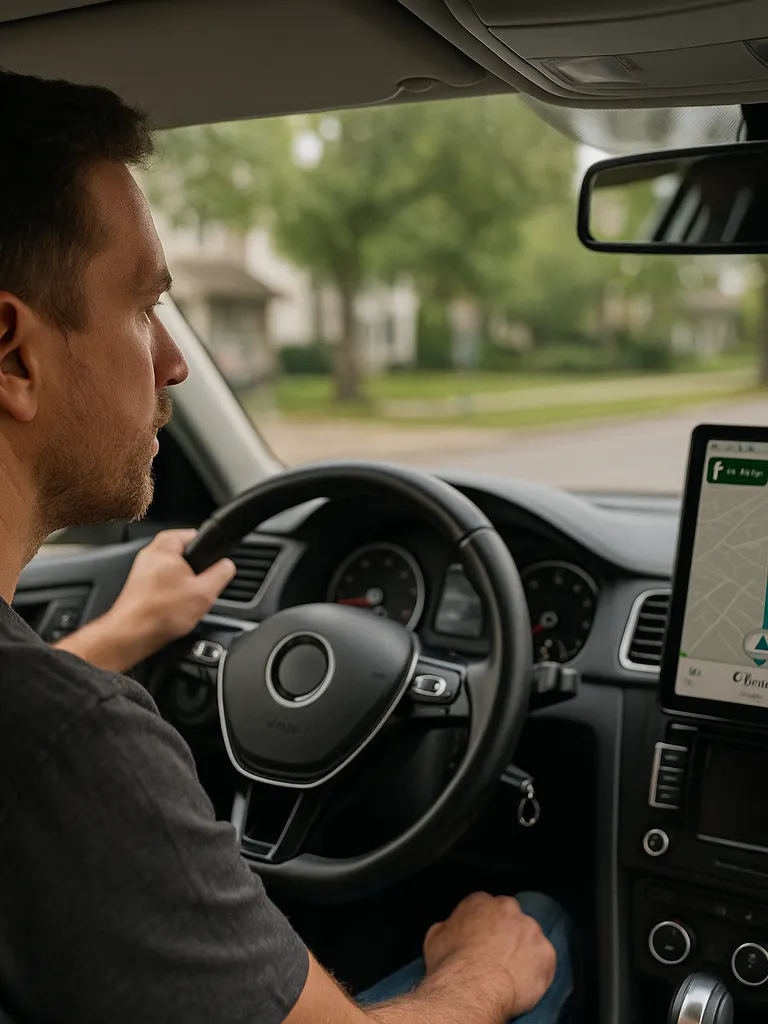


You pick up orders, follow the app’s prompts, keep your ratings up, and chase surge zones to make rent. You cover gas, repairs, and insurance. When something goes wrong, a form email arrives from a “support” address — and you’re reminded that you’re an “independent contractor”. In the Garden State, that label is not the end of the story.
Let’s break down how the state decides who is an employee, why the state’s ABC test is so demanding, what recent enforcement means for many gig platforms, what rights hinge on proper classification, what pushbacks you may hear, and how a misclassification lawyer in New Jersey can help workers take action.
New Jersey does not let companies choose the test they like. The New Jersey Supreme Court held that the state’s ABC test, found in the Unemployment Compensation Law, applies to wage-and-hour and wage-payment claims as well.
This standard plays a central role in disputes involving misclassification in delivery apps and gig-economy platforms. To deny a worker employee status, a company must meet all three parts of the ABC test — a demanding threshold that many app-based businesses struggle to satisfy.
For rideshare and delivery couriers, job titles like “independent contractor” aren’t always the final word. The classification of rideshare couriers in NJ depends on how much control the company exerts and whether the worker truly operates an independent business.
“The decision to speak up is powerful. But knowing what happens after — and how to protect yourself — is just as critical.”
— Olivia Rhye
Under New Jersey’s ABC test, a worker is presumed to be an employee unless the company proves:
If a company fails any one prong, you are an employee. That’s why the role of the ABC test in misclassification disputes is central: it’s the rule that determines if your rights truly apply under ride-share and delivery apps contracts.
If you believe you’ve been wrongly classified, speaking with an experienced misclassification attorney in New Jersey can help you understand your legal options and recover the pay or benefits you’re owed.
Consider how the ABC factors line up with app-based driving and delivery:
Because the company must pass all three prongs, failing just one — often B or C in the gig context — can mean you are an employee for state purposes.

New Jersey has put serious money behind enforcing the ABC test, taking aim at misclassification in gig work like Uber or Lyft. State audits and settlements show how aggressively regulators are pursuing ride-hail and delivery platforms that treat workers as independent contractors.
The takeaway is straightforward: New Jersey regulators are actively auditing and assessing many firms under the ABC test, and settlements continue to land.
If you are an employee under New Jersey law, a long list of protections attaches. Being correctly classified isn’t more than having a correct label; it determines whether you’re entitled to compensation as a misclassified employee for unpaid wages, benefits, and other losses.
Correct classification can mean:
If you think your classification doesn’t match your day-to-day responsibilities as a rideshare courier, New Jersey offers a direct complaint channel for workers.
The Department of Labor and Workforce Development’s misclassification page explains the ABC test in plain terms and provides an online form, dedicated email, and a phone line to start a complaint. The agency can audit and assess contributions and penalties and can coordinate with wage enforcement if pay violations are involved.
A misclassification lawyer in New Jersey to explore your options for recovering unpaid wages, benefits, and damages through the court system. A skilled attorney can help ensure your case meets all procedural requirements and that your classification and compensation reflect the true nature of your work.
You may hear about shifting federal contractor rules. The U.S. Department of Labor updated its federal standard in 2024–2025, replacing a narrower approach with a multi-factor “economic realities” analysis.
Whatever happens at the federal level, New Jersey uses the ABC test for state wage, hour, and unemployment protections. State agencies and courts have repeatedly affirmed that. So even if a platform claims federal rules support independent status, the ABC test is what controls your state wage and benefit rights under the state law.
As interest in independent contractors unionizing continues to rise nationwide, New Jersey remains one of the states where the law already leans strongly toward protecting workers who perform real, ongoing labor for a company’s benefit.
For ride-share drivers and delivery couriers in New Jersey, the question isn’t what your app calls you — it’s if the company can pass the ABC test. Many can’t, especially on B (work within the company’s core business) and C (running an independent enterprise that survives the relationship).
That’s why audits have produced large state payments and why proposed rules aim to codify ABC across wage and unemployment laws. If you think you’ve been misclassified, you have clear state pathways to protect your pay and benefits.
If you’re a driver or delivery courier in New Jersey and think the contractor label is costing you wages and benefits, we can help.
We represent workers in misclassification and wage cases, coordinate with investigations, and pursue fair compensation under New Jersey’s Wage Theft Act. We’ll review how the ABC test applies to your work and map the fastest route to protect your rights.
 Denis Sautin
Stop wondering about your rights or if you'll be taken seriously. We treat every client with respect, urgency, and honesty. Our lawyers will listen, explain your legal options, and fight for the outcome you deserve.