
Jul 14, 2026Family and Medical Leave Act Interference
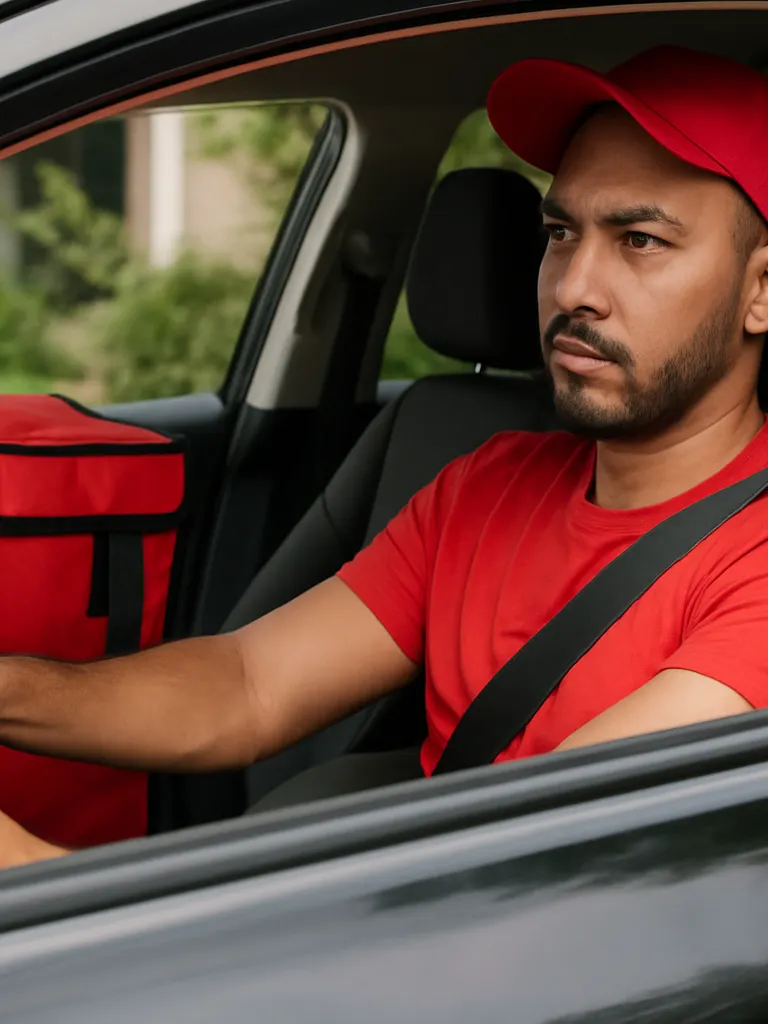


If you’ve ordered food or groceries in New Jersey lately, chances are it was delivered by someone working for an app like DoorDash, Uber Eats, Grubhub, or Instacart. These platforms have made delivery work more common than ever, but they have also raised serious legal questions. One of the biggest issues is misclassification — when workers who should legally be considered employees are instead labeled as independent contractors.
For delivery drivers, that label carries big consequences. Being called an independent contractor often means no guaranteed minimum wage, no overtime, no benefits, and no access to legal protections.
Let’s take a closer look at possible misclassification in delivery apps, what the law says, and how a misclassification lawyer in New Jersey can help the drivers to protect themselves.
Misclassification happens when a company calls workers “independent contractors” even though the work and conditions suggest they are really employees.
Delivery apps almost always label drivers as contractors. But in practice, the apps set the pay structure, control customer assignments, and may even deactivate accounts for failing to follow certain rules. That looks a lot more like an employer-employee relationship.
Recognizing the differences between freelancers and independent contractors, and how it contrasts from true employees is key to spotting misclassification and protecting workplace rights.
“The decision to speak up is powerful. But knowing what happens after — and how to protect yourself — is just as critical.”
— Olivia Rhye
When delivery app drivers in New Jersey are wrongly labeled as independent contractors instead of employees, they lose key protections and face extra costs, including:
In short, misclassification shifts risks and burdens from companies onto workers, draining income and protections while boosting corporate profits. If you suspect your role has been wrongly classified, a misclassification attorney in New Jersey can help you evaluate your situation and pursue the compensation or benefits you may be owed.

New Jersey uses the ABC test, one of the strictest standards in the country, to determine if a worker is truly an independent contractor. Under this test, a worker is an employee unless the company proves all three of these conditions:
A. The worker is free from the company’s control in performing the work.B. The work is outside the usual course of the company’s business or performed outside its places of business.C. The worker is customarily engaged in an independently established trade or business.
For app-based delivery drivers, each part of the ABC test raises red flags:
For many gig companies, meeting all three prongs of New Jersey’s strict ABC test is a challenge. This is why misclassification in Uber or Lyft and other gig work platforms has become such a hot issue. If you drive for a delivery or rideshare app in New Jersey, watch for these red flags:
These factors suggest the company is exercising the level of control typical of an employer.
The reason is simple: money. By classifying drivers as independent contractors, delivery apps:
This model lowers expenses for the company but frequently leaves workers earning less than minimum wage once out-of-pocket costs are counted. Whether it’s app-based drivers or real estate agents treated as independent contractors, the financial motive behind misclassification is the same.
New Jersey has taken an aggressive stance against misclassification:
In addition, the state’s Department of Labor and Workforce Development (NJDOL) has stepped up audits and enforcement actions, targeting industries like app-based delivery where misclassification is common.
Key enforcement tools of NJDOL include:
In recent years, New Jersey has issued millions of dollars in penalties and back pay in high-profile gig economy cases.
For example, back in 2019 NJDOL conducted an audit of Uber and determined the company had misclassified its drivers as independent contractors. That misclassification meant thousands of drivers were denied key protections such as unemployment and disability insurance.
The investigation ultimately led to a record-breaking outcome: Uber agreed to pay $100 million in back taxes and contributions, marking the largest misclassification settlement in New Jersey history.
Drivers in New Jersey who suspect they’ve been misclassified don’t have to accept lost wages and benefits. Misclassified workers may be entitled to compensation for unpaid overtime and benefits. Steps to push back include:
These steps can help ensure drivers get the protections and pay they deserve.
By denying drivers minimum wage, overtime, and benefits, companies are effectively withholding pay that workers have earned. For workers, misclassification can mean financial instability and difficulty planning for retirement or long-term health needs.
But misclassification doesn’t only hurt the individual drivers: it affects the whole marketplace. When companies avoid paying taxes and benefits, they gain an unfair cost advantage over businesses that follow the law. This undercuts fair competition and can drive down wages across the industry.
By enforcing strict rules like the ABC test, New Jersey aims to protect both workers and honest businesses.
If you are a New Jersey delivery app driver and believe you have been misclassified as an independent contractor, you may be missing out on significant pay and benefits.
We can review your work conditions, explain your rights under New Jersey law, and help you pursue unpaid wages, overtime, and other compensation.
Contact us for legal advice and a free consultation.
 BJB Employment Law Editor
Stop wondering about your rights or if you'll be taken seriously. We treat every client with respect, urgency, and honesty. Our lawyers will listen, explain your legal options, and fight for the outcome you deserve.