
Jul 14, 2026Family and Medical Leave Act Interference
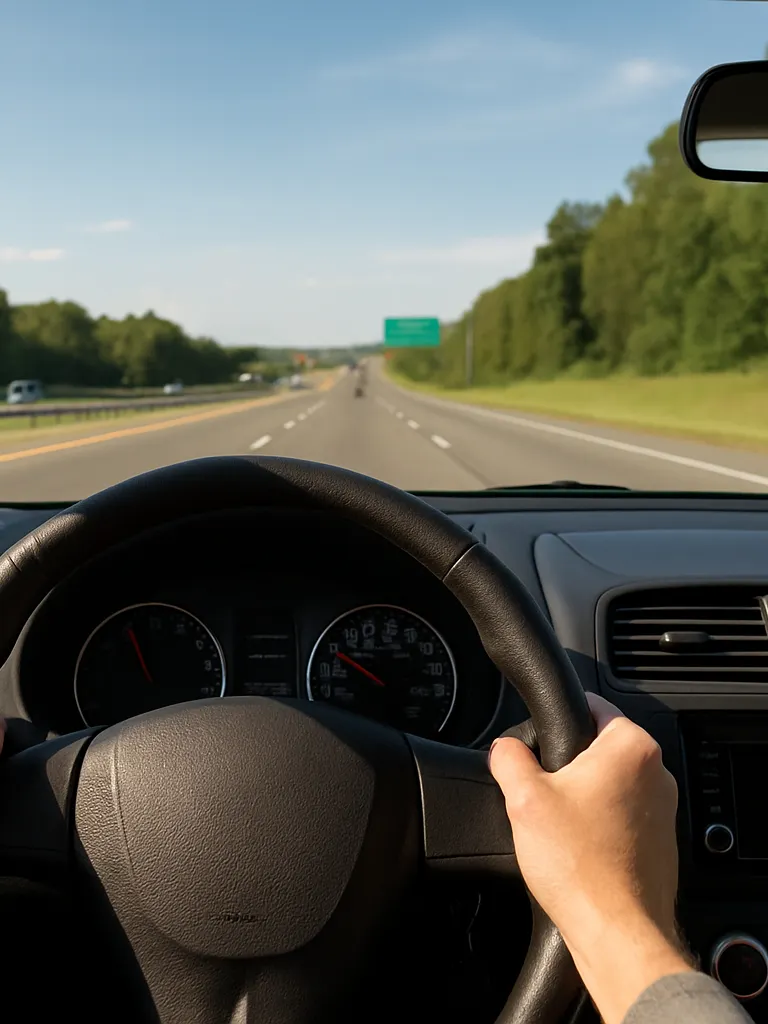


If you plan to be behind the wheel in the Garden State come 2026, you are driving into a state with some of the strictest and most detailed traffic rules in the country. From tougher requirements for new drivers to strong distracted-driving rules, our state expects you to know the law and follow it.
This guide walks through the key New Jersey driving laws and traffic regulations that matter most right now — how you get a license, how you’re expected to share the road, what counts as distracted driving, and what your rights are when you get a ticket or go to municipal court.
New Jersey’s driving rules are not frozen in time. Over the last few years the state has:
On top of that, the New Jersey Motor Vehicle Commission (NJMVC) issued a revised Driver Manual in 2025, which will continue to be the basic reference for New Jersey motor vehicle rules in 2026.
If you’re studying for a road test, commuting to work, or driving for a living, 2026 is really about living under an updated framework.
“The decision to speak up is powerful. But knowing what happens after — and how to protect yourself — is just as critical.”
— Olivia Rhye
Traffic tickets, license suspensions, and DWI cases do more than raise your insurance bill — they can jeopardize your job, limit your future earning power, or create tension with an employer who depends on you to drive safely and legally.
If you are a New Jersey worker dealing with:
or if you are an employer trying to enforce safety-driven driving policies without violating New Jersey employment laws, it may be time to speak with a lawyer.

New Jersey is putting an end to the scramble for a wallet during traffic stops, airport screenings, and everyday identity checks.
Under a new law signed by Governor Phil Murphy in July 2025, the New Jersey Motor Vehicle Commission (MVC) must develop digital driver’s licenses and non-driver IDs, giving residents a voluntary option to carry their official identification directly on their smartphones or other mobile devices.
This is far more advanced than simply uploading a photo of your physical license. It is a secure, encrypted digital credential built for today’s technology-driven world. The initiative positions New Jersey at the forefront of innovation while offering residents greater convenience, faster verification, and enhanced privacy protections.
The state also joins a fast-growing national movement: with at least 15 states and Puerto Rico already offering mobile driver’s licenses, and another ten states plus Washington, D.C., preparing to implement similar programs.
New Jersey uses a Graduated Driver License (GDL) system that applies to all new drivers, especially those under 21. You do not go from “no license” to “full license” in one step. You move through:
As of February 1, 2025, there is a major new requirement that will still be in effect in 2026:
The NJMVC press release makes this clear: if you are under 21 and hold a learner’s or examination permit, you must log those hours and have them certified on a specific MVC form before your road test and before getting your probationary license.
The 2025 NJ Driver Manual and GDL resource guides remain the official summary of these rules: they are what MVC exam questions are built on.
By 2026, many routine renewals and many transactions may be handled online through NJMVC, but the basics are the same: you must keep your license, address, registration, and insurance up to date.
Driving with an expired license, failing to notify MVC of an address change, or failing to show registration and insurance when asked can all lead to tickets and fines.
The New Jersey Driver Manual is still your primary roadmap for everyday rules: right-of-way, lane use, signaling, passing, stopping for school buses, and speed limits.
A few key themes dominate New Jersey traffic regulations:
Below are some of the most important, and most enforced, New Jersey’s driving laws heading into 2026.
New Jersey’s Safe Passing Law took effect March 1, 2022, and by 2026 it is fully introduced into enforcement and public education. The law was designed to protect “vulnerable road users,” including:
The key expectations are simple:
Under NJ motor vehicle rules, “I did not hit them” is not enough: you must give space or slow down. This law is a big part of the current state’s push to reduce crashes involving pedestrians and cyclists.
New Jersey’s Move Over Law requires drivers approaching certain stationary vehicles with flashing lights to change lanes if safe, or slow down below the speed limit and be ready to stop if a lane change is not possible.
The law covers not only police, fire, and ambulances, but also:
Violations can lead to a fine between $100 and $500 — and if a crash or injury results, other serious charges are possible.
New Jersey’s cellphone law makes it illegal to use a handheld wireless telephone or electronic communication device while operating a moving vehicle on a public road, except in limited emergencies.
What that means in everyday terms:
Hands-free use is allowed — for example, Bluetooth through your car — as long as you can operate it without taking your hands off the wheel beyond a brief button press. The law and recent explainers confirm that handheld use is allowed only for narrow emergency reasons, like calling 9-1-1 when you fear for your safety.
New Jersey imposes serious penalties for using a handheld device while driving. A first offense can bring fines ranging from $200 to $600, with higher fines, license points, and even potential suspension for repeat violations or when combined with other dangerous driving behaviors.
These penalties have steadily increased over the years, and by 2026, the state treats distracted driving much like drunk driving in one key respect: everyone understands the risk, and no driver can credibly claim the law is unclear.
New Jersey’s DWI/DUI statute, N.J.S.A. 39:4-50, has long imposed stiff penalties, including fines, license suspension, surcharges, and mandatory ignition interlock device (IID) use for alcohol-related convictions.
That does not make DWI a minor offense. A third DWI conviction can still mean up to six months in jail, fines around $1,000, long suspensions (up to 10 years), and years of interlock use.
If you drive in other states, you may be used to red-light cameras and speed cameras mailing you tickets. New Jersey took a different path.
The state’s Red Light Running Automated Enforcement Pilot Program ended in December 2014, and the New Jersey Department of Transportation confirms that, as of that date, participating intersections no longer had legal authority to issue RLR camera tickets.
In later years, lawmakers and state senators emphasized that:
By 2026, that remains the landscape: you still need to obey red lights and speed limits — but enforcement comes from police officers and traditional tickets, not automated cameras operated by local governments.
Most everyday traffic matters — speeding, careless driving, running a stop sign, no-insurance paperwork — are handled in municipal court. New Jersey ticket forms must contain enough information to identify the person charged and spell out the nature of the violation, date, time, and place.
The New Jersey Courts’ Municipal Court Self-Help page explains what you can do online through the Traffic Ticket System:
Some tickets are marked “court appearance required.” In those cases, you must appear in person on the date listed, even if you intend to plead guilty, or risk a warrant and a license suspension.
Before any plea or trial, you have certain basic rights in municipal court, including:
Ignoring a ticket is almost never a good idea. Court guides warn that failing to pay or appear can lead to license suspension and even an arrest warrant.
While this article is focused on traffic regulations, many drivers also ask about rights during a stop. Some basics, grounded in New Jersey’s constitution and typical municipal-court advisements, include:
Exact rights can be fact-specific, so it’s smart to treat this as background, not as a script — and to consult a lawyer if a stop turns into a serious ticket or a criminal charge.
Driving laws do not live in a vacuum — they connect directly to jobs and workplaces. For many New Jersey workers, driving is part of the job description:
A suspended license in 2026 can immediately threaten someone’s employment. A DWI conviction, a reckless driving record, or multiple serious tickets can also:
On the employer side, there are overlapping legal duties under employment law, such as:
If you drive for work and face a serious traffic or DWI matter, you are really dealing with two problems at once: the court case and the employment fallout. Having legal help that understands both worlds can make a real difference.
 Denis Sautin
Stop wondering about your rights or if you'll be taken seriously. We treat every client with respect, urgency, and honesty. Our lawyers will listen, explain your legal options, and fight for the outcome you deserve.