
Jul 14, 2026Family and Medical Leave Act Interference
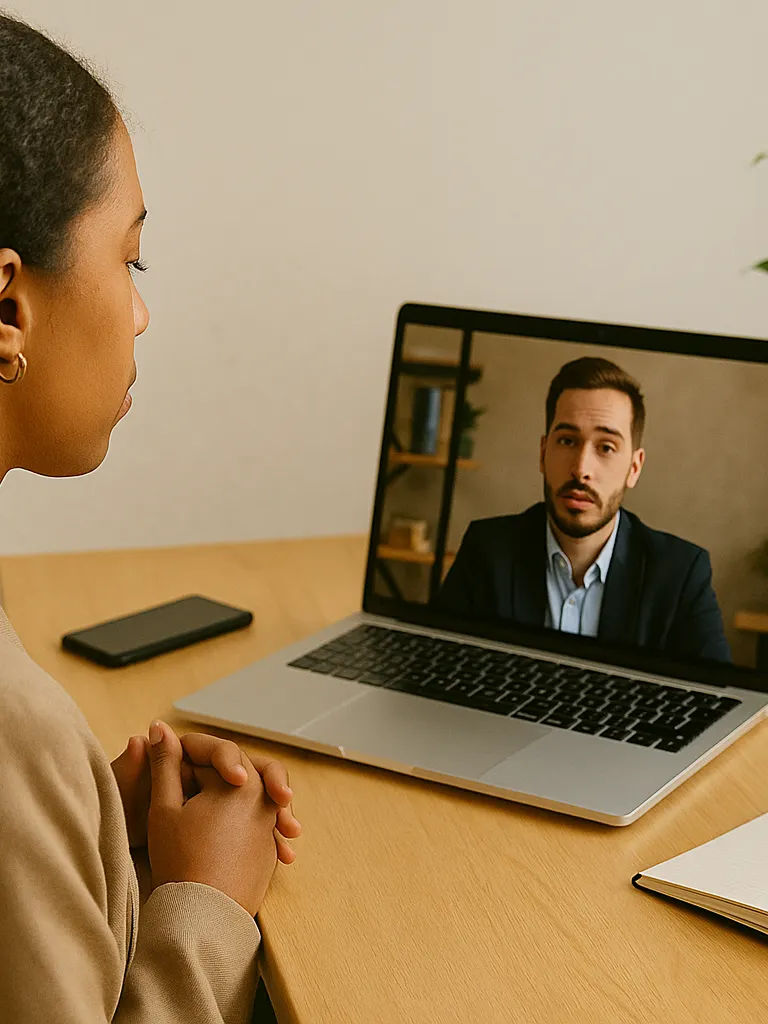


The days of every job interview happening in a conference room are long gone. Since the pandemic, remote hiring has become the new normal in New Jersey and across the country. Job seekers meet recruiters over Zoom, submit resumes online, and complete digital assessments — all without ever stepping foot into an office. But while technology can make hiring more efficient, it can also hide or enable discrimination, especially when it comes to race.
So how do you spot racial discrimination in a remote hiring process? And if you do suspect it, how do you prove it and what protections does New Jersey law offer? Here’s what every job seeker should know.
First things first: the law doesn’t change just because the hiring process is virtual. The New Jersey Law Against Discrimination (NJLAD) makes it illegal for employers to discriminate against job applicants because of their race. This includes every stage of the hiring process, from posting the job ad to interviews to the final decision.
Whether you’re applying in person or through an online portal, employers in New Jersey can’t:
With remote hiring, you often can’t see what’s going on behind the scenes — making discrimination harder to detect, and even harder to prove.
“The decision to speak up is powerful. But knowing what happens after — and how to protect yourself — is just as critical.”
— Olivia Rhye
Racial discrimination in hiring can be subtle or blatant. Here are a few ways it happens remotely:
Studies have repeatedly shown that resumes with names that sound stereotypically Black, Latino, or from other minority groups get fewer callbacks than identical resumes with “white-sounding” names. Since resumes are now scanned by algorithms or reviewed anonymously online, bias can happen before you even talk to a person.
With remote interviews, hiring managers see you on camera before they see you in person — and sometimes that’s when bias kicks in. They may make assumptions about your professionalism, communication skills, or cultural “fit” based solely on your appearance or accent.
Some employers conduct screening calls before video interviews. Applicants might reveal their racial or ethnic identity during these conversations — and if they suddenly stop hearing back, discrimination could be at play.
More Americans think AI will have a big impact on workers in general than on themselves personally. In fact, 62% believe AI will significantly affect workers overall over the next 20 years, even if they don’t expect it to change their own jobs much.
That concern isn’t unfounded: many companies already use AI-powered hiring tools to rank resumes, screen video interviews, or analyze voice recordings. But because these algorithms are trained on existing data — which often contains systemic racial biases — what seems like a “neutral” program can end up automatically screening out minority candidates.

If you experience one or more of these situations, discrimination might be occurring:
Discrimination cases are complicated, and remote hiring makes things even trickier. If you’re not sure you have a case or just want a professional opinion — talking to a racial discrimination lawyer in New Jersey can help.
Proving racial discrimination requires evidence — but remote hiring means you may never even meet the people making decisions. That’s why meticulous documentation is your best friend:
Remote hiring makes it easy for employers to hide behind technology. They can claim “another candidate was a better fit” without explaining further. But that doesn’t mean you’re out of options.
Patterns matter: if a company repeatedly hires only people of one race despite interviewing diverse candidates, that can show bias. Evidence from your own experience, combined with public data about the company’s practices, can help make a strong case.
The NJLAD is one of the strongest anti-discrimination laws in the country. It prohibits racial discrimination in every aspect of employment — including hiring — and applies to companies with just one employee, making it stricter than federal law. That means when cultural insensitivity at work crosses the line into targeting someone based on race or another protected trait, it can become illegal under NJLAD.
If you prove discrimination, you could be entitled to:
If you believe you were rejected because of your race, you can file a complaint with the New Jersey Division on Civil Rights (DCR). Here’s what to know:
It can be intimidating to accuse a company of racial discrimination — and figuring out what’s enough evidence isn’t easy. Talking to an experienced racial discrimination attorney in New Jersey can help you sort things out.
A lawyer can:
Many attorneys offer free consultations, so you can get advice without worrying about cost.
While it shouldn’t be your responsibility to avoid discrimination, here are a few steps to protect your job search:
The rise of remote hiring has changed the way we find jobs, but it hasn’t changed your right to a discrimination-free process. Unfortunately, remote hiring discrimination in NJ is a real issue — and it can be harder to spot when everything happens behind a screen. Don’t let vague excuses keep you from questioning whether race played a role in a rejection. If something doesn’t feel right, pay attention to that feeling.
In New Jersey, you have strong protections against racial discrimination, be it remote hiring or favoritism at work. By staying informed, documenting your experience, and getting help when you need it, you can fight back against unfair hiring practices and help build a more equitable workplace for everyone.
 BJB Employment Law Editor
Stop wondering about your rights or if you'll be taken seriously. We treat every client with respect, urgency, and honesty. Our lawyers will listen, explain your legal options, and fight for the outcome you deserve.