
Jul 14, 2026Family and Medical Leave Act Interference
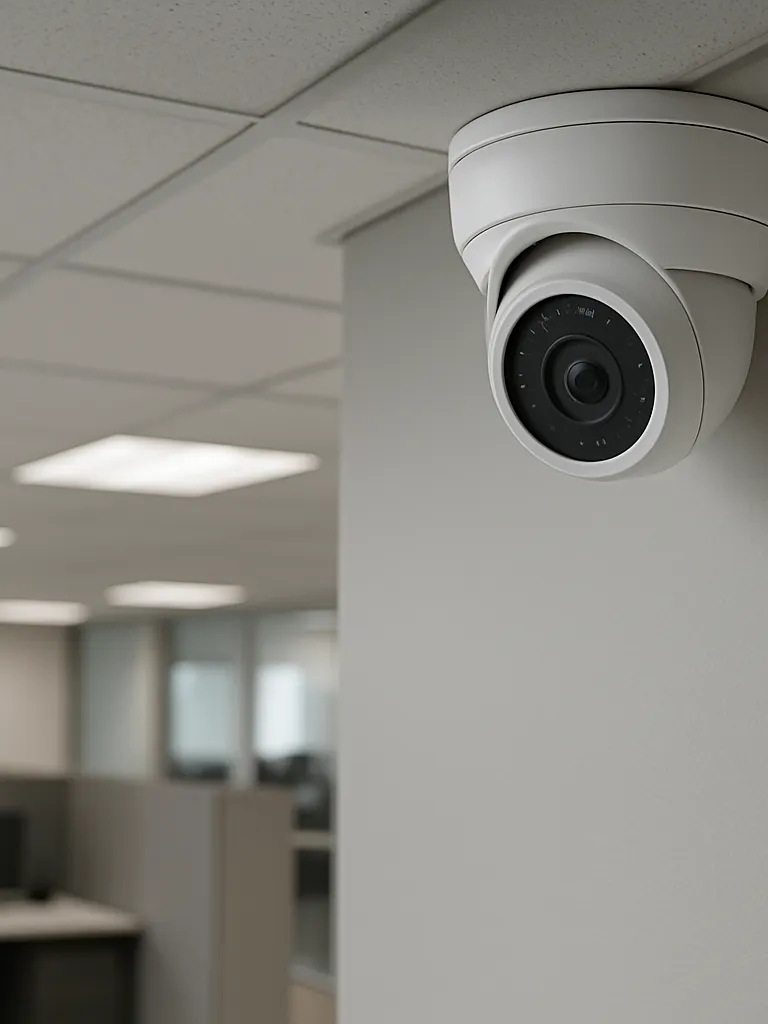


Workplace surveillance isn’t new, but the way it’s used today can feel more intrusive than ever. Hidden cameras, constant software tracking, GPS monitoring, and detailed productivity reports are common in offices, warehouses, and even remote work settings.
Some monitoring is legal and can even help improve efficiency. But when it crosses the line into excessive or punitive oversight, it can create a hostile work environment — something that the Garden State’s law does not tolerate.
Let’s see how over-surveillance at work can become harassment, what state’s and federal laws say about it, and how a hostile work environment lawyer in New Jersey can help workers to protect their rights.
Workplace surveillance comes in many forms and, when it goes too far, can become a sign of a hostile work environment. In traditional offices, it may look like security cameras, tracking software on company devices, or managers hovering over employees. In remote or hybrid jobs, it often shows up as software that logs keystrokes, takes random screenshots, or requires constant check-ins.
A few common examples include:
Some monitoring is legal and even necessary. But when surveillance becomes constant and excessive, consulting a hostile work environment attorney in New Jersey can help employees understand their rights and options.
“The decision to speak up is powerful. But knowing what happens after — and how to protect yourself — is just as critical.”
— Olivia Rhye
Under the New Jersey Law Against Discrimination (NJLAD), a hostile work environment exists when conduct is severe or pervasive enough to make a reasonable person believe the workplace is intimidating, hostile, or abusive. Typically, this applies to harassment based on protected categories such as race, gender, age, disability, religion, or sexual orientation.
But hostile work environment claims can also be connected to broader patterns of mistreatment — including over-surveillance. If that surveillance is tied to discriminatory treatment or is applied in a way that disproportionately impacts certain employees, it can start to look less like oversight and more like surveillance harassment under NJ laws.
For example:
In these situations, over-surveillance may rise to the level of a legal claim. And if an employer dismisses or ignores reports of a hostile work environment, the stakes grow even higher: New Jersey law allows employees to seek damages, and companies can face fines, legal fees, and lasting reputational harm for failing to investigate and correct the problem.

New Jersey law allows employers to monitor employees in many situations, particularly when company equipment or resources are being used. However, there are limits:
When surveillance crosses into constant control or is applied in discriminatory ways, such as targeting certain faith practices or singling out employees based on protected traits — it stops being about security or productivity and becomes a workplace rights issue tied to race bias or religious intolerance at work.
It’s important to understand that harassment doesn’t always come in the form of slurs or explicit threats. Courts and agencies recognize that subtle forms of hostility — including constant monitoring and a tough boss who’s bullying you — can create intolerable working conditions.
Roughly 42% of employees — about four in ten — say they feel micromanaged at work, according to recent 2023 surveys. Those who report this level of oversight are far more likely to describe their workday as tense, stressful, and draining compared with colleagues who aren’t micromanaged.
So how do you know if your employer’s surveillance has gone too far? Here’s some signs of how surveillance harassment in New Jersey can look like:
Any one of these practices could support a hostile work environment claim if the pattern is severe or pervasive.
New Jersey has some of the nation’s strongest workplace protections. Employees facing over-surveillance may find relief under several key laws.
Known as the state’s whistleblower law, CEPA protects workers who report illegal or unethical practices. If an employer ramps up monitoring after an employee reports wrongdoing, that can be unlawful retaliation.
Even without specific statutes, New Jersey recognizes the right to privacy. Over-surveillance in areas where workers expect privacy — like locker rooms or bathrooms — can give rise to invasion-of-privacy claims.
Federal law, including Title VII of the Civil Rights Act and the Americans with Disabilities Act, also prohibits harassment and discrimination. If excessive surveillance is used to target or push out someone in a protected class, federal claims may also apply. Employees with anxiety, ADHD, or other mental health conditions may find excessive monitoring especially harmful.
If you believe over-surveillance has created a hostile work environment, consider taking these steps:
Taking these steps can help ensure your rights are protected and your voice is heard.
If you believe your employer’s surveillance practices have created a hostile work environment, you don’t have to face it alone. Constant monitoring, micromanagement, and overreach may be illegal under New Jersey law.
Our team can help you evaluate whether your employer’s surveillance has crossed the line, explain your rights under NJLAD and other laws, and take action to protect your workplace dignity.
Contact us for legal advice and a free consultation. If surveillance has become harassment, it’s time to stand up for your rights.
 Denis Sautin
Stop wondering about your rights or if you'll be taken seriously. We treat every client with respect, urgency, and honesty. Our lawyers will listen, explain your legal options, and fight for the outcome you deserve.