
Jul 14, 2026Family and Medical Leave Act Interference
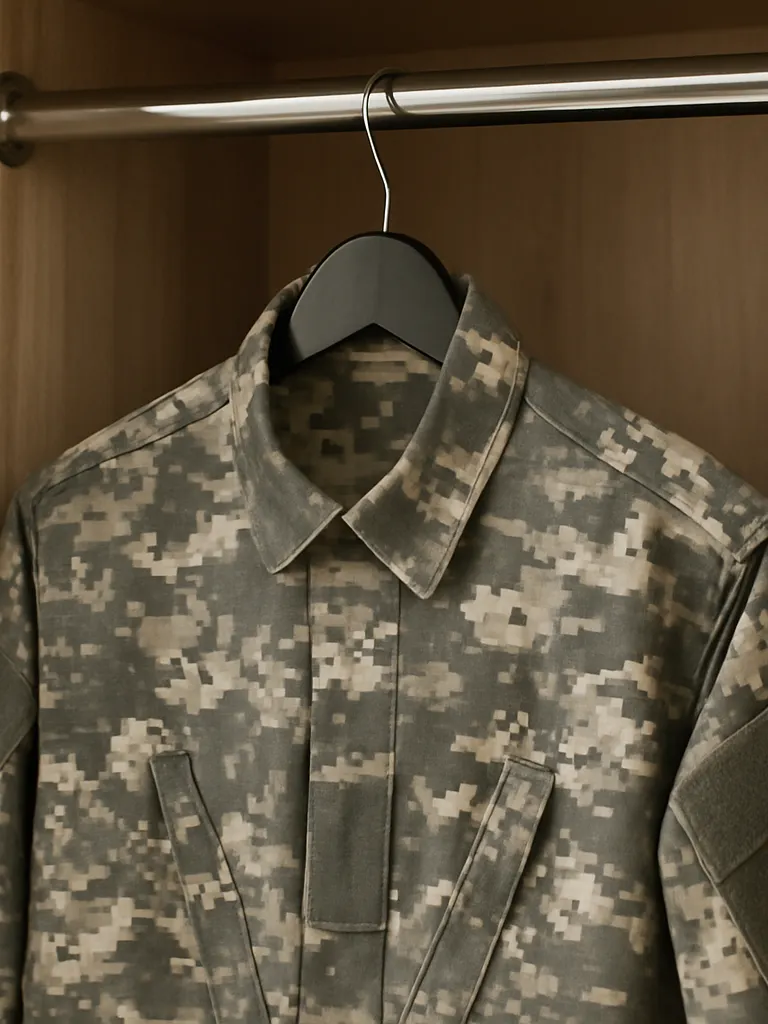


Caring for a loved one who serves — or has served — in the military can be one of the hardest and most important roles a family member takes on. When that service member comes home with a serious injury or illness, life can turn into a mix of medical appointments, paperwork, and constant worry. Between providing care and navigating new responsibilities, holding down a job while trying to be there for them can feel impossible.
Both federal and state law give many military family caregivers real rights to take time off from work without losing their jobs. The federal Family and Medical Leave Act has special protections for military families, and the Garden State’s own leave and benefit programs can layer on additional support.
This post walks through what military caregiver leave is, who qualifies, how to raise concerns if your employer is not following the law, and when it might be time to talk with a FMLA lawyer in New Jersey.
Think of your protections as two overlapping layers:
For military caregivers, the FMLA leave in New Jersey is doing most of the heavy lifting on job protection, while NJFLA and FLI may layer on extra protections and wage replacement if your situation also fits their definitions of “family member” and “serious health condition.”
When it comes to FMLA in attendance policies, employers cannot lawfully count protected leave as an absence, strike against your record, or use it as a basis for discipline; doing so may violate federal law.
These rules also matter when employers try to place restrictions on how leave is used — for example, pressuring workers to be forced to use PTO before FMLA instead of allowing them to exercise the full military caregiver entitlement as the law intends.
If this is happening to you, speaking with a NJ attorney about your FMLA rights can help you understand your next steps, and the best possible way to take action.
“The decision to speak up is powerful. But knowing what happens after — and how to protect yourself — is just as critical.”
— Olivia Rhye
Military caregiver leave is a unique FMLA entitlement available to families of servicemembers and certain veterans. Under the U.S. Department of Labor’s related caregiver materials, an eligible employee who is the spouse, child, parent, or next of kin of a covered servicemember may take up to 26 workweeks of FMLA leave in a single 12-month period to care for that servicemember when they have a qualifying serious injury or illness.
A “covered servicemember” can include a current member of the Armed Forces — including the National Guard and Reserves — who has a serious injury or illness incurred in the line of duty, or a veteran with a qualifying condition, provided the veteran served at some point during the five years before the care begins (subject to current regulatory timelines).
The FMLA regulations define a serious injury or illness for a servicemember as one that:
If your servicemember family member has a serious injury or illness related to their service and requires your support, there is a strong likelihood that military caregiver leave in NJ applies to your situation through the federal provisions.

In addition to caregiver leave, the FMLA offers qualifying exigency leave when your spouse, child, or parent is on covered active duty or called to covered active duty.
As clarified in Department of Labor’s Fact Sheet #28M(c), qualifying exigency leave can be used for things like:
For New Jersey workers, this means you may use FMLA both to handle deployment-related tasks and, if the worst happens, to care for a seriously injured or ill servicemember — with different rules for each category.
If you qualify for FMLA military caregiver or qualifying exigency leave, your employer is required to:
On the New Jersey side, if your situation also qualifies under the NJFLA, your employer must provide the NJFLA-protected leave and cannot retaliate against you for exercising those rights. DCR’s guidance notes that workers may bring complaints about NJFLA denials or retaliation to the agency.
Common problem spots include:
If you see those patterns, it is a sign you may need outside help from a local NJ attorney who can fight for your FMLA rights.
According to the U.S. Department of Labor, the most common FMLA violation in fiscal year 2024 was the outright denial of leave, with discrimination or termination after taking protected time off close behind: showing us how often employees run into problems even when they follow the rules.
A few practical moves can help you use your rights smoothly:
You do not have to make these decisions alone. Speaking with a New Jersey lawyer who understands FMLA and the state’s own leave laws can help you avoid missteps and protect your job and income.
If your request for military caregiver leave or qualifying exigency leave was denied, your job changed after you took leave, or you are unsure how FMLA, NJFLA, and New Jersey’s Family Leave Insurance work together in your situation, we can help.
Our team advises New Jersey workers on military family leave rights, leave protections, and retaliation issues, and we handle claims with official state and federal agencies, as well as in court when needed. We will review your timeline, the paperwork your employer used, and your options — so you can focus on your family.
Contact Us Today — we are here to listen and guide you forward.
 Denis Sautin
Stop wondering about your rights or if you'll be taken seriously. We treat every client with respect, urgency, and honesty. Our lawyers will listen, explain your legal options, and fight for the outcome you deserve.