
Jul 14, 2026Family and Medical Leave Act Interference
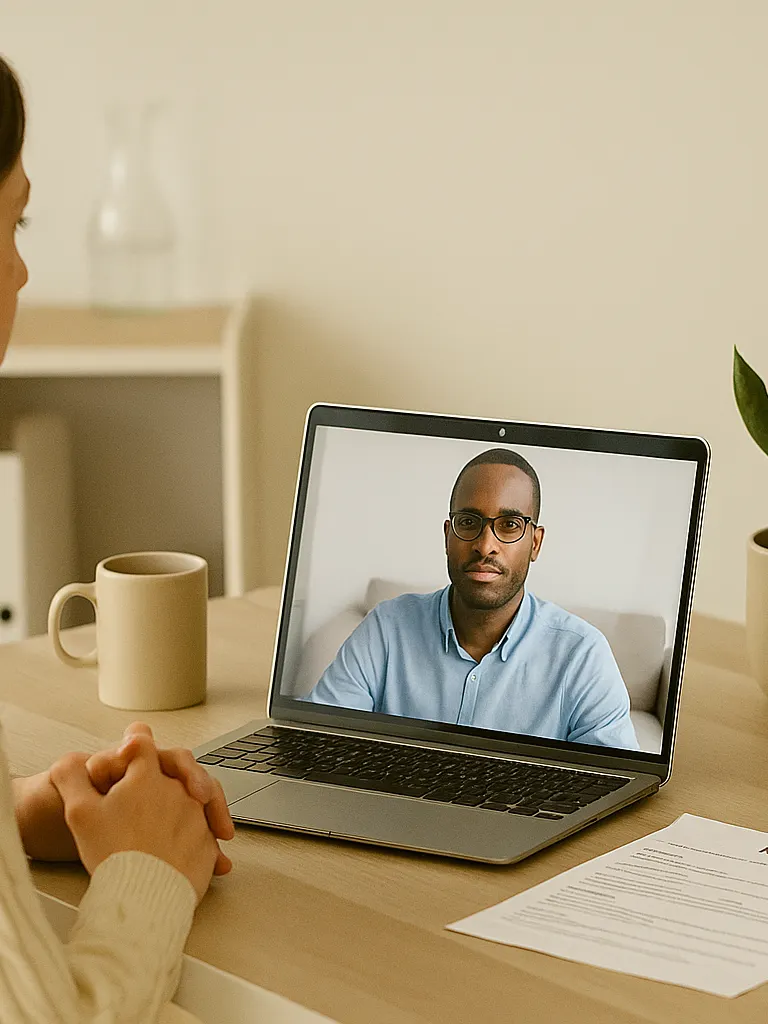


Remote work has become the norm for many employees. You can go through documents in a home office or take calls from your kitchen table. Working remotely gives you flexibility — but it can also leave you wondering how your legal rights apply when you’re not on-site.
One of the biggest questions New Jersey workers have is about the Family and Medical Leave Act (FMLA). If you’re working remotely, do you still qualify for FMLA? And how does your employer’s responsibility to grant you leave change when you’re not coming into an office?
Here’s what you need to know about FMLA interference to advocate for yourself and make informed decisions.
First, a quick refresher. The Family and Medical Leave Act (FMLA) is a federal law that gives eligible employees up to 12 weeks of unpaid, job-protected leave in a 12-month period. You can use this leave to:
While FMLA leave is unpaid, your employer must continue your health insurance benefits as if you were still working. And when your leave ends, you generally have the right to return to the same or an equivalent job.
To be eligible, you must:
These eligibility rules don’t change because you’re working remotely — but that last part about “50 employees within 75 miles” can get tricky.
“The decision to speak up is powerful. But knowing what happens after — and how to protect yourself — is just as critical.”
— Olivia Rhye
This is where remote workers often have questions. If you’re working from home in New Jersey — maybe your company’s office is in another state, or you’ve never set foot in HQ — how does the 50-employee rule apply? Where’s your “worksite”?
Here’s what the law says:
So if your employer’s NJ office has 100 employees and you work remotely nearby — or even far away — you’re likely covered. But if you’re hired by a small company with no central office or fewer than 50 employees in the area, FMLA may not apply.

New Jersey’s Family Leave Act (NJFLA) offers similar protections — but with some important differences. For one, NJFLA doesn’t cover leave for your own medical condition; it’s focused on caring for a family member or bonding with a new child.
Like FMLA, NJFLA generally applies to employers with 30 or more employees. And remote workers are covered under NJFLA just as they are under FMLA: your worksite is where you report or get your assignments.
Whether you’re working in an office or remotely, FMLA leave is available for “serious health conditions.” This could include:
Mental health conditions that meet these standards are also covered, and even a burnout can be covered for FMLA leave.
Remote workers sometimes face extra challenges when requesting FMLA leave. For example:
But FMLA and NJFLA don’t require you to keep working during a qualifying health event. If you or your family member’s condition makes it impossible for you to perform your job duties even at home — you’re entitled to protected leave, and your employer can’t force you to return from your leave early, even if it’s “just one quick call”.
If you need FMLA leave, follow these steps:
FMLA protections apply equally to remote employees. This means:
If you face retaliation after taking FMLA leave, like suddenly getting poor performance reviews, or losing important assignments after using leave — that could be a violation of FMLA protections. Speaking with an FMLA attorney in New Jersey can help you understand your options and protect yourself.
If you meet the requirements for FMLA and your employer improperly denies your leave or retaliates against you, you have options:
As a remote employee, it can be harder to show your work hours, assignments, and interactions with managers. But documentation is crucial if your leave rights are challenged.
Keep copies of:
If problems arise, this record can make or break your case.
With over a third of U.S. employees now working remotely, it’s more important than ever to know how FMLA protections apply when you’re outside the traditional office.Understanding your rights and standing up for them is the first step toward a workplace that respects your health and your family.
If you’re dealing with a serious health condition, welcoming a new child, or caring for a family member during a medical crisis, don’t let uncertainty about remote employee leave in NJ keep you from taking the time off you’re entitled to. Make sure you understand your rights, communicate openly with your employer, and don’t hesitate to seek help if something doesn’t feel right.
 BJB Employment Law Editor
Stop wondering about your rights or if you'll be taken seriously. We treat every client with respect, urgency, and honesty. Our lawyers will listen, explain your legal options, and fight for the outcome you deserve.