
Jul 14, 2026Family and Medical Leave Act Interference
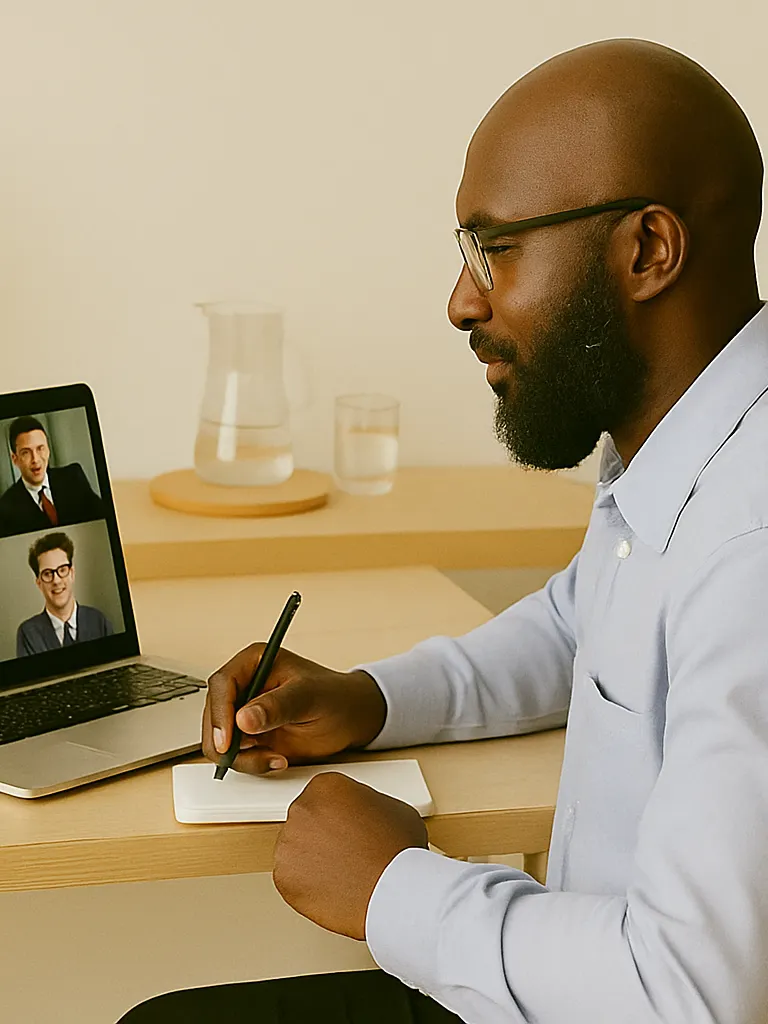


The pandemic transformed the way we work, and for many employees in New Jersey, remote work became the new normal. But while video calls and home offices opened doors for flexibility, they also created new ways for wage disparities to grow — especially among women, workers of color, and those with caregiving responsibilities.
Remote work should mean freedom and flexibility, not unequal pay for the same work. This article breaks it down: what the law says about equal pay in New Jersey, how remote work can create hidden gaps, and what your options are if you suspect wage discrimination.
New Jersey’s Diane B. Allen Equal Pay Act, enacted in 2018, is among the toughest state equal pay laws in the country. It prohibits employers from paying workers less for “substantially similar work” based on protected characteristics such as:
The law goes beyond the federal Equal Pay Act by requiring equal pay not just for identical jobs but for jobs that are substantially similar in skill, effort, and responsibility. This broad protection helps workers challenge pay disparities even when job titles or minor differences are used to justify unequal pay.
“The decision to speak up is powerful. But knowing what happens after — and how to protect yourself — is just as critical.”
— Olivia Rhye
Before 2019, remote work was a perk limited mostly to white-collar professionals. But the pandemic changed that overnight. Many NJ employers shifted large parts of their workforce online, creating a new group of permanently or semi-permanently remote employees.
As remote work has settled into normal life, so have questions about pay fairness. Remote employees often experience disparities like:
These disparities can deepen existing wage gaps for women and people of color, who are more likely to take or be offered remote roles due to caregiving needs or other factors.

Remote work has blurred many traditional workplace lines. But it can also mask or even deepen existing wage gaps. Here’s how:
Remote workers may be left out of key projects, stretch assignments, or promotions that lead to higher pay — simply because they’re not physically present. Over time, this can create or widen pay disparities.
Some employers adjust salaries based on where an employee lives. For example, a remote worker living in a lower-cost area might be paid less than colleagues in more expensive regions, even if they’re doing the same job. But if geographic pay differences are applied unfairly — say, disproportionately affecting women or employees of color — it could open the door to an equal pay claim.
Remote workers might miss out on on-site perks (like meal stipends or travel allowances) or be excluded from bonus pools tied to in-person performance metrics. If these exclusions disproportionately impact protected groups, they could contribute to unlawful pay disparities.
Remote arrangements can make pay differences harder to see. Coworkers working from different locations may have fewer casual conversations about salary, making it harder to identify unequal pay patterns when it comes to pay transparency.
Under NJ’s Equal Pay Act, jobs don’t have to be identical for pay to be equal. Instead, the focus is on whether they require:
For remote workers, if you and an on-site colleague perform substantially similar work, you’re entitled to equal pay, no matter where you do your job. Understanding your rights around remote pay equity in NJ is key to ensuring fair treatment.
Many remote employees don’t realize they’re underpaid until they talk to colleagues or see salary data. Here are examples of how pay disparities can show up:
If you’re working remotely and suspect pay discrimination, look for signs like:
Even unequal bonuses can be a sign of pay discrimination, if they are consistently unequal without a valid reason.
Under NJ law, employers can:
When it comes to pay, employers can’t hide behind excuses. They are prohibited from:
These are common tactics employers might use to justify unequal pay, but they don’t hold up under the law. If you’re facing this situation, an equal pay act attorney in New Jersey can help you understand your rights and take action.
Some employers discourage workers from sharing salary information. But in New Jersey, you have the right to discuss your pay with coworkers. Retaliating against you for doing so is illegal under NJLAD and the federal National Labor Relations Act (NLRA).
Knowing what colleagues in similar roles earn can be the first step toward uncovering unequal pay.
Remote work has changed the way we do business, but it hasn’t changed your right to equal pay for equal work. If you’re working remotely in New Jersey and think you’re being paid less than coworkers doing similar jobs, don’t ignore it. You have the right to ask questions, document your concerns, and take action if needed.
By staying informed and speaking up, you can help ensure your pay reflects your skills, effort, and contributions — no matter where you work.
 BJB Employment Law Editor
Stop wondering about your rights or if you'll be taken seriously. We treat every client with respect, urgency, and honesty. Our lawyers will listen, explain your legal options, and fight for the outcome you deserve.