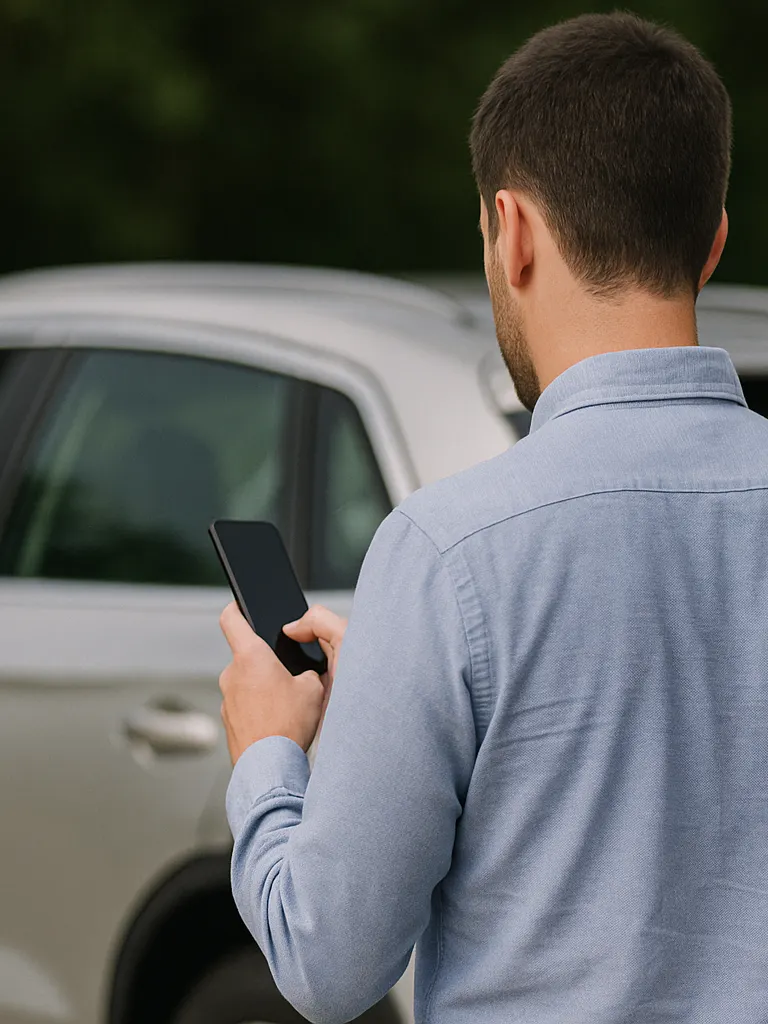
New Jersey is stepping into the digital age, with a new law paving the way for mobile driver’s licenses (or digital driver’s licenses) that let residents carry their ID right on their smartphones. Signed by Gov. Phil Murphy in July 2025, the legislation calls on the Motor Vehicle Commission (MVC) to roll out a digital ID system over the coming years — up to six years from now — while maintaining physical licenses for those who prefer them.
This blog post walks you through everything you need to know about New Jersey digital driver's licenses: what they are, how and when they'll be available, privacy protections, real-world applications, potential concerns, what this means for New Jersey’s legal and technological landscape, and how to prepare.
What is a Digital or Mobile Driver’s License?
A mobile driver's license (mDL) is an official driver’s license or ID that lives on your smartphone rather than in your wallet. It includes the same identifying details — name, photo, license number — but is displayed securely via an app when needed
These digital IDs can be updated in real time and often include:
- Dynamic barcodes or QR codes for verification
- Built-in security to prevent copying or tampering
- Privacy controls that limit how much information is shared in different settings
In New Jersey, this approach aligns with similar programs already in place in about 15 states and Puerto Rico, with 10 more states and Washington, D.C., planning to follow suit.
“The decision to speak up is powerful. But knowing what happens after — and how to protect yourself — is just as critical.”
— Olivia Rhye
When Will New Jersey Residents Get Access?
The law gives the MVC up to 72 months to research, design, test, and launch the program by 2031.
Although the timeline is flexible, officials emphasize that getting it right matters. New Jersey wants to build a system that’s secure, user-friendly, and private — and fast too.
What the Law Requires — in Plain Terms
Here are the headline provisions from the law establishing digital driver’s licenses in New Jersey:
- Voluntary Participation: Digital licenses are optional. Physical cards will remain available for those who want them.
- Security and Privacy Protections:
- Real-Time Updates: The NJ digital driver license can be updated instantly, making it harder to forge and ensuring information stays current.
- Funding: The Fiscal Year 2025 budget set aside $1.5 million, with funding available through FY 2026, to help build the system
What to Expect: Uses, Benefits, and Early Challenges of NJ Digital Driver License
Benefits of mDLs
- Visibility and flexibility — Display your mDL at a pharmacy, airport, or store as needed
- Instant updates — Renew or correct information like your address remotely
- Optional and compatible — You can choose digital or stay with your physical license
Privacy and Security Protections
- Your phone won't be seized or searched during ID verification
- Content shown cannot justify a broader search of your device
Drawbacks and Concerns
- Battery failures — What happens if your phone dies when you’re asked for ID?
- Privacy risks — Civil liberties groups warn of potential misuse for tracking or excessive data sharing
- Digital divide — Not everyone owns a smartphone: options must remain accessible to all
How Digital Licenses Could Change Law Enforcement Interactions
One of the most significant changes the mDL program will bring is how drivers interact with police and other law enforcement officers. Under the new law, New Jersey specifically states:
- You will not be required to hand over your phone — only the portion of the screen that displays the digital ID needs to be visible.
- Officers cannot scroll through or access other parts of your device during a traffic stop or ID check.
- Merely showing your mDL cannot be used as probable cause to search your phone.
This is a notable shift from the traditional license hand-off. Instead of physically handing an officer your plastic card, you might show a secure QR code or a locked display screen.
However, some law enforcement groups have raised practical questions:
- What happens in low-signal areas where the verification system might not load quickly?
- Will training be required for all officers to recognize and process mDLs correctly?
- How will agencies store or log ID verifications to comply with privacy laws?
These questions will likely be addressed in future MVC guidance. For drivers, knowing your rights ahead of time is essential to prevent misunderstandings during traffic stops.
Data Security and Privacy Concerns
Digital licenses promise strong encryption and security protocols… but no technology is truly immune to breaches. The state has emphasized that the system will be built to minimize personal data exposure. Still, privacy advocates caution against overlooking certain risks:
- Potential for tracking — Depending on how the system is built, repeated scans of your mDL at stores, airports, or checkpoints could theoretically create a trail of your movements.
- Data sharing with third parties — Laws will need to clearly define which entities can request access to verification logs.
- Phishing or fake apps — Scammers may try to create lookalike mDL apps to trick users into entering personal information.
New Jersey has strong data privacy rules under both state law and certain provisions of the Driver’s Privacy Protection Act (DPPA). However, the rapid introduction of mobile ID technology means those protections may need updating to cover digital use cases.
The Intersection of Digital IDs and Workplace Verification
While digital licenses are primarily about driving and identification, they have clear connections to the employment world.
Under federal and state law, employers must verify a worker’s identity and authorization to work — typically using documents like a driver’s license and Social Security card. Once mDLs are in play, the question becomes:
- Will employers accept a digital license as valid for I-9 verification?
- What about workplace security badges or site access?
- Could remote hiring become easier?
For employees, this raises important rights and privacy questions — particularly around how much personal information an employer or third party can access during verification. New Jersey law will need to ensure that workplace use of mDLs comes with the same safeguards as police or retail use.
The National and Global Context of Digital Driver's Licenses
While New Jersey’s move to create a mobile driver’s license program is significant, it’s part of a much larger shift toward digital identification systems worldwide.
Across the United States
- Early adopters: States like Arizona, Colorado, Maryland, and Georgia already allow residents to store their driver’s licenses in Apple Wallet or Google Wallet for use at TSA checkpoints and some retail locations.
- Partial rollouts: States such as Florida and Louisiana have launched their own state-specific mobile ID apps, independent of national wallet systems.
- Federal integration: The Transportation Security Administration (TSA) has been piloting mDL acceptance at select airports — meaning in the future, your smartphone could replace your physical ID at security lines in Newark Liberty International Airport.
Around the World
- European Union: Countries like Denmark, Finland, and Germany are implementing national digital ID systems that go beyond driver’s licenses — allowing residents to access healthcare, banking, and government services securely from their phones.
- Australia and New Zealand: Digital driver’s licenses are already recognized in most states and territories, often replacing physical cards entirely for domestic use.
New Jersey’s effort is keeping pace with this global trend, but state officials say they are watching carefully to avoid mistakes made elsewhere — such as rolling out tech without adequate privacy protections or failing to accommodate residents without smartphones.
Lessons from Other States: How New Jersey Can Prepare
From their experiences, New Jersey can take note of the following:
- User adoption takes time — In Louisiana, despite a high-profile launch, it took years for mobile IDs to become a routine choice for residents.
- Retailer and agency training is essential — Store clerks and even law enforcement officers might not be sure how to accept or verify digital IDs at first, creating friction for users.
- Offline functionality is critical — Requiring an internet connection for verification can cause problems in rural areas and during special events where networks are overloaded.
- Privacy concerns must be addressed head-on — Some residents might hesitate to store government IDs on personal devices, fearing hacking or misuse. Successful rollouts must provide clear messaging and strong security protocols to ease these fears.
By studying other states and counties, New Jersey’s Motor Vehicle Commission and partner agencies can avoid common pitfalls and ensure the transition feels smooth, not disruptive.
How to Prepare for Digital Driver's Licenses — What You Can Do Now
For Residents
- Keep your physical license up to date — you’ll continue using it for the foreseeable future.
- Learn about phone settings that protect privacy, like limited screen display modes. Use strong passwords, biometric locks, and two-factor authentication.
- Watch for MVC updates or pilot program announcements and be ready to opt in when it’s right for you. The state will post program details, testing opportunities, and privacy guidelines well before launch.
- Update your license regularly: if your address or name changes, keep your records accurate so the eventual digital version is correct.
For Businesses and Agencies
- Employers, service providers, and retailers should be able to read digital IDs and understand new verification procedures.
- Agencies like pharmacies, stores, and airlines may want to upgrade ID readers accordingly.
For Policymakers and Advocates
- Follow system developments closely for privacy and accessibility.
- Push for transparency on how MVC tests and deploys the system over the next several years.
By preparing early, you can take advantage of the convenience NJ digital driver license promise while minimizing the potential drawbacks.
Summary: What Every New Jersey Driver Should Know
- A law signed in July 2025 allows the MVC to create voluntary mobile driver’s licenses (mDLs) available on smartphones.
- The MVC has up to six years to implement the program — but a rollout by 2031 is already expected.
- mDLs promise convenience, security, real-time updates, and privacy protections that physical cards don’t offer.
- The law protects your rights: you can’t be forced to share your phone or consent to searches by presenting the digital ID.
- Physical licenses remain available: so no one will be forced into digital adoption.
Questions About Employment Rights or Policies?
Digital licenses are just one example of how advancing technology is changing our workplaces: from gig employment to retail, public safety, and beyond.
If you’re a worker concerned about how these changes may affect your rights or workplace requirements, or an employer navigating compliant and fair ID policies for your staff — we’re here to help.
Contact us today. We're dedicated to providing clear legal advice and a free consultation to help you understand and adapt to evolving workplace regulations.
Let us help you stay ahead of the curve — and make sure you’re protected along the way.
 BJB Employment Law Editor