
Jul 14, 2026Family and Medical Leave Act Interference
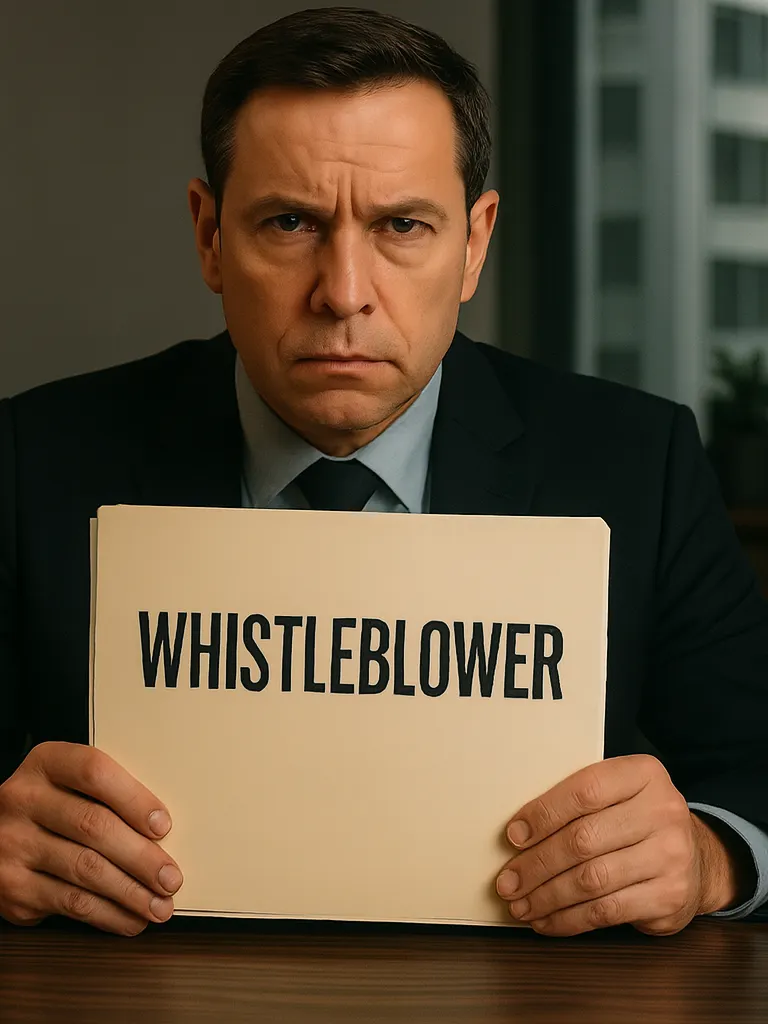


Speaking up about wrongdoing in the workplace can feel risky. Whether it’s reporting fraud, unsafe conditions, discrimination, or illegal activity, many employees worry that telling the truth could cost them their job. The good news? In New Jersey, whistleblowers have powerful legal protections on their side.
But what does it actually mean to be a whistleblower? What protections exist under New Jersey law? And how do you know if your situation qualifies?
Here’s what you need to know.
A whistleblower is someone who reports illegal, unethical, or unsafe conduct within a company or organization. This could include:
In many cases, whistleblowers are current employees. But former employees, contractors, and even job applicants can sometimes be protected under the law, depending on the circumstances.
Importantly, whistleblowing doesn’t have to be public — and it doesn’t always mean going to the media. Reporting misconduct to your supervisor, HR department, or a government agency may be enough to qualify for legal protection.
“The decision to speak up is powerful. But knowing what happens after — and how to protect yourself — is just as critical.”
— Olivia Rhye
New Jersey has one of the strongest whistleblower protection laws in the country. It’s called the Conscientious Employee Protection Act, or CEPA.
CEPA protects workers who report wrongdoing or refuse to participate in illegal acts by their employer. It’s often referred to as the “Whistleblower Law” and has been on the books since 1986.
Under CEPA, it’s illegal for an employer to retaliate against you for:
Retaliation can take many forms, including:
If your employer takes any negative action against you for speaking up, that could be a violation of CEPA.

CEPA covers a wide range of workplace situations. Here are a few common examples that might qualify for protection:
1. Reporting Unsafe Conditions
If you report a safety hazard (like broken equipment, chemical exposure, or violations of OSHA standards), you may be protected. Employers cannot retaliate against you for trying to keep yourself or others safe.
2. Objecting to Fraud or Financial Misconduct
Let’s say you work in accounting and you notice your employer is falsifying financial records. If you report it internally or to a regulatory agency, you’re likely covered under CEPA.
3. Speaking Out Against Discrimination
If you witness or experience discrimination based on race, gender, religion, age, or another protected trait — and you report it — you may qualify as a whistleblower under CEPA, even if you’re not the direct target of the discrimination.
4. Refusing to Break the Law
If your boss asks you to do something you believe is illegal - like dumping waste improperly or forging documents — and you say no, CEPA may protect you even if you never report the request.
If you witness illegal, unsafe, or unethical behavior in your workplace, it’s important to report it in a way that protects both your job and your rights. Here’s how to do that — along with helpful contacts if you need to file a complaint outside your company.
If you feel comfortable, report your concern through your company’s internal process. This could include:
Keep detailed notes of your report, including dates, who you spoke to, and what was said. If you send an email or written complaint, save a copy for your records.
If internal reporting isn’t possible or if your complaint isn’t taken seriously, you can take your concern to a state or federal agency. Below are some of the main agencies that handle workplace misconduct in New Jersey:
No matter how you report the misconduct, always:
This documentation can be critical if you face retaliation or decide to pursue a legal claim under New Jersey’s whistleblower protection law (CEPA).
To be protected under CEPA, you don’t need to prove that the employer actually broke the law - you only need to show that you had a reasonable belief that their actions were illegal or unethical.
However, documentation helps. If you have emails, reports, or witness testimony that support your claim, it can strengthen your case. But CEPA does not require you to be “right” - it only requires that your concern be reasonable and made in good faith.
If you believe your employer has retaliated against you for speaking up, you have legal options.
Under CEPA, you can file a lawsuit in New Jersey Superior Court. You have one year from the date of the retaliatory action to take legal action.
If your case is successful, you may be entitled to:
Because CEPA is a complex law, it’s a good idea to speak with a whistleblower retaliation lawyer in New Jersey. Many offer free consultations and can help you build a strong case.
Whistleblower cases have made headlines across New Jersey in recent years. From hospital employees exposing unsafe patient practices to city workers reporting corruption, these stories show how powerful it can be when someone chooses to speak up.
But not all whistleblower actions happen in public. Often, it's the quiet, behind-the-scenes reporting that leads to real change: safer workplaces, ethical businesses, and better protections for employees and the public alike.
Blowing the whistle isn’t easy. It takes courage to stand up for what’s right — especially when it means risking your livelihood. But the law is on your side.
If you believe something illegal or dangerous is happening at work, and you choose to speak up, you are not alone. CEPA gives you strong protections, and there are resources available to help you take action.
Whether you're unsure if your situation qualifies, or you're ready to file a claim, the most important thing is to know your rights and to protect them.
Thinking about speaking up, or already facing retaliation? Our experienced team can explain your rights, review your options, and help you take the next step.
Contact us today for a free, confidential consultation.
 BJB Employment Law Editor
Stop wondering about your rights or if you'll be taken seriously. We treat every client with respect, urgency, and honesty. Our lawyers will listen, explain your legal options, and fight for the outcome you deserve.